You don’t need to arrive in race shape for a guided cycling holiday, but a little structured preparation makes the difference between surviving a big mountain week and actually enjoying it. Here’s the simple timeline I give my own coaching clients, built around the same principles I use training for my own racing season, just scaled appropriately for a touring holiday rather than competition.
12 Weeks Out: Build a Base
Focus on consistent, easy-to-moderate rides 3-4 times a week. The goal here isn’t intensity — it’s time in the saddle, so your body gets used to riding on consecutive days, which is very different physiologically from a single weekend ride, however long that single ride might be. Aim for a mix of ride lengths, with at least one longer ride each week that gradually extends over this period.
If you’re newer to structured training, this is also the phase to establish a consistent bike position and confirm your setup is comfortable for extended periods — discomfort issues that seem minor on a 45-minute ride become genuinely problematic on a multi-hour touring day.
8 Weeks Out: Add Some Climbing
If you have any hills near you, start including them weekly, ideally with some repeated efforts on the same climb to track improvement over the following weeks. If you don’t have access to hills, longer steady efforts on the flat (20-40 minutes at a sustainable, slightly uncomfortable pace — roughly what you could hold in conversation but not comfortably) build similar aerobic fitness, even without the specific climbing-muscle adaptation.
This is also the point to start riding back-to-back days on weekends if your schedule allows — mimicking the physical demand of a multi-day tour, where fatigue compounds across consecutive days rather than resetting overnight the way a single hard ride followed by rest days does.
6 Weeks Out: Introduce Some Intensity
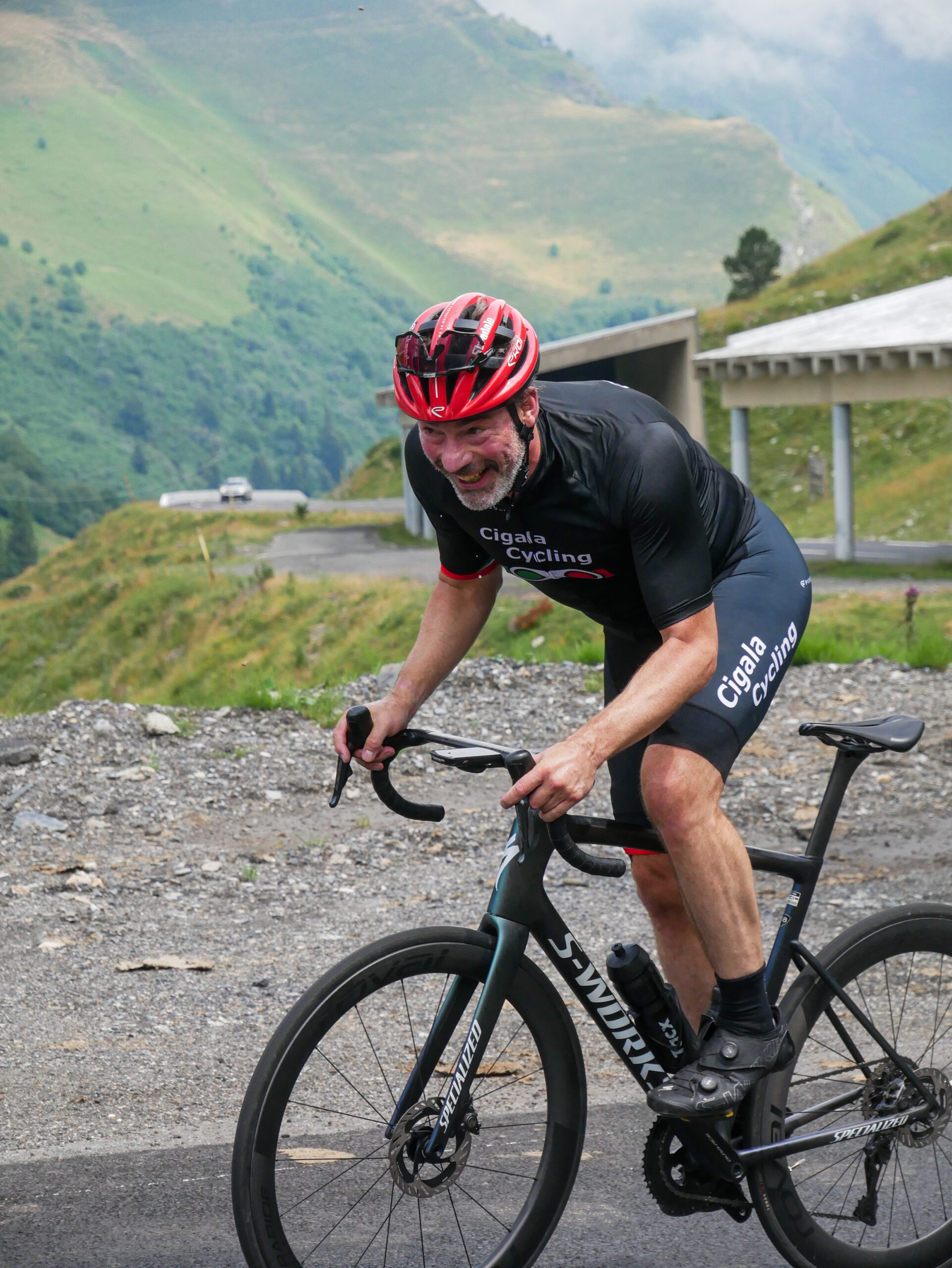
A weekly session with sustained harder efforts — intervals of 8-15 minutes at a genuinely uncomfortable but sustainable pace — builds the kind of fitness that makes climbs feel more manageable without requiring race-specific training. This doesn’t need to be complicated; even simply picking a local hill and riding it hard once a week provides most of the benefit.
4 Weeks Out: Simulate the Trip
Try to string together 2-3 consecutive riding days, even if shorter in distance than your actual tour days. This tells you far more about your readiness than any single long ride will, since tour fatigue is cumulative rather than about any one day’s distance or elevation. Pay attention to how your legs feel on day two and three specifically — that’s the fitness quality your actual holiday will demand most.
2 Weeks Out: Taper
Reduce volume noticeably, but keep some intensity in shorter efforts, and prioritize sleep over squeezing in extra rides. This is where many riders go wrong — they cram extra training right before departure, arriving tired rather than fresh, which undoes much of the benefit of the previous weeks’ consistent work. Trust the base you’ve built; a tapered, rested rider consistently outperforms an overtrained, fatigued one on tour, regardless of raw fitness numbers.
What Actually Matters Most
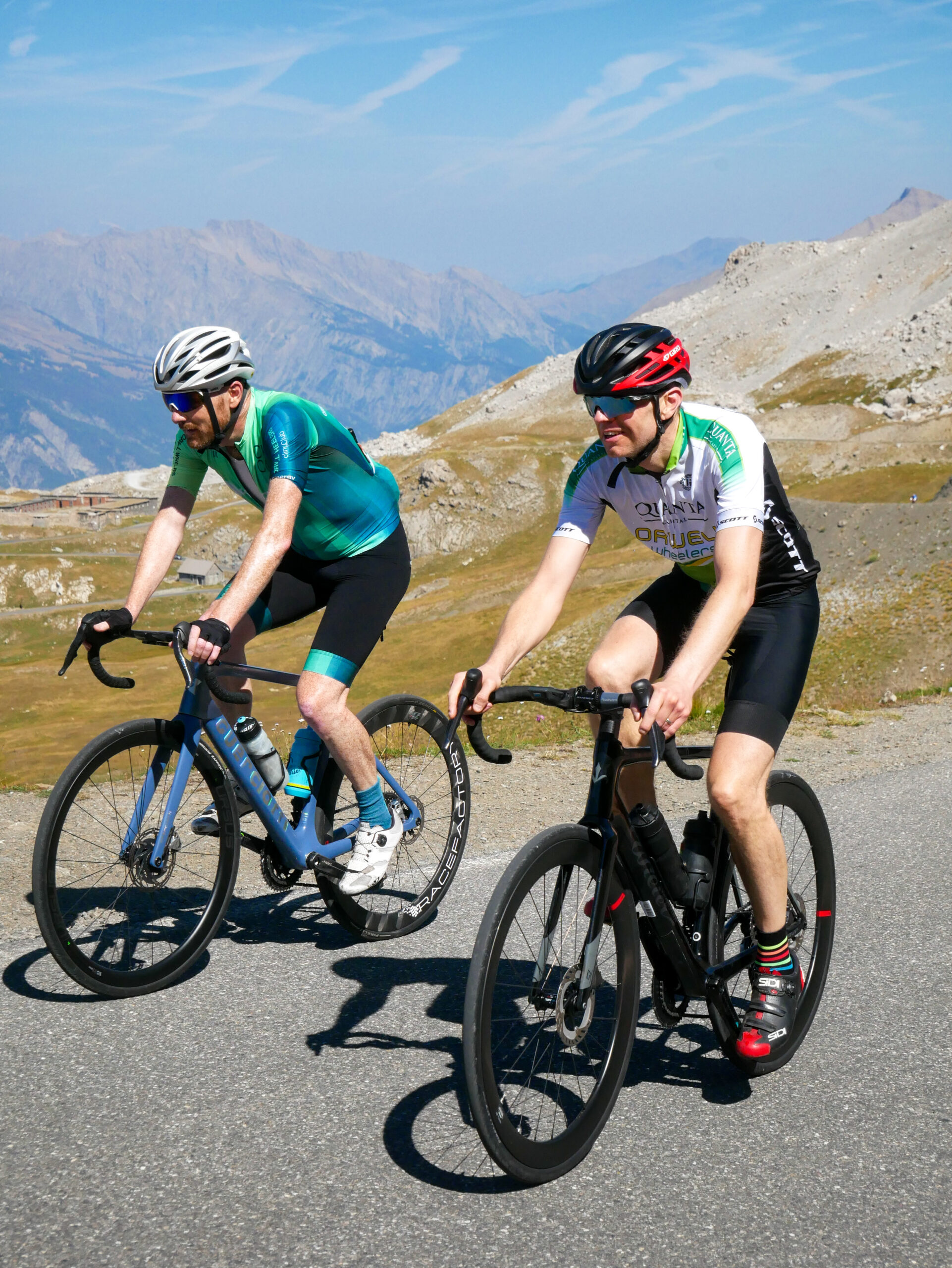
Time in the saddle beats raw power for a touring holiday. If you can comfortably ride 60-90 minutes several days in a row without significant discomfort or excessive fatigue, you have the base fitness for the vast majority of our tours — the guided pace, rest stops, and support vehicle backup do a lot of the rest, and you’re not being asked to sustain race-pace efforts for hours at a time.
Nutrition and Hydration Habits Worth Building Beforehand
Practicing your on-bike fueling strategy during training rides, rather than figuring it out for the first time on tour, makes a genuine difference. If you’re not used to eating regularly during longer rides, start building that habit now — a multi-day tour with cumulative fatigue is exactly the wrong time to discover you don’t fuel well on the bike.
Common Preparation Mistakes
The most common mistake is treating preparation as purely about fitness volume and ignoring bike-specific conditioning — a rider who runs or does other cardio regularly but rarely cycles will still find cycling-specific muscles fatigue faster than their general fitness level would suggest. Time on an actual bike, even if shorter than your target, beats equivalent time on other cardio equipment.
The second common mistake is over-preparing on the final week rather than resting — see the taper note above.
How This Fits Into a Cigala Cycling Tour
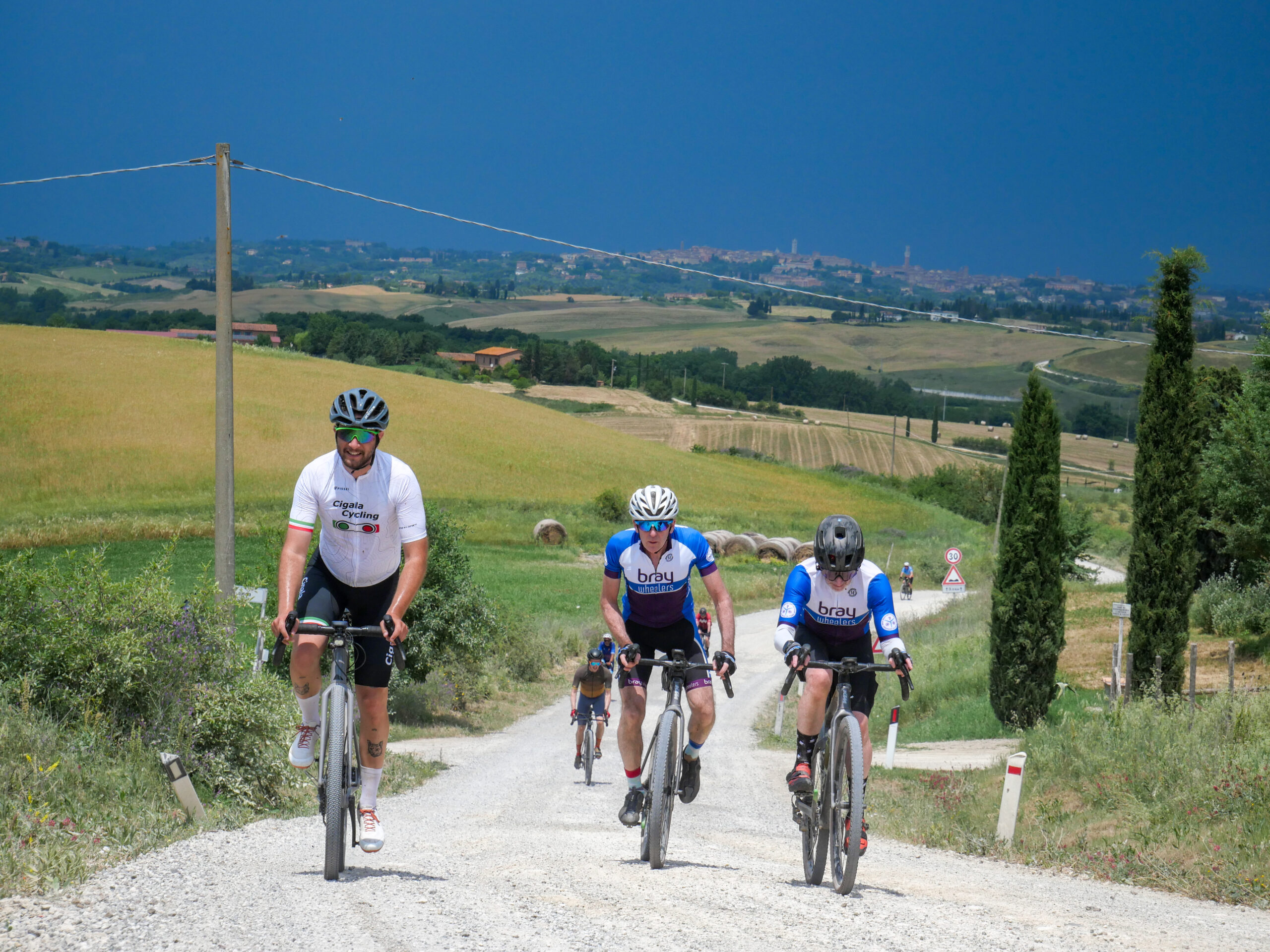
Every trip lists an expected daily distance and elevation profile so you can prepare specifically — check the details on your chosen tour page, and feel free to reach out if you want a tailored prep plan; this is exactly the kind of thing our coaching side handles, with structured plans built around your specific tour’s demands and your current fitness level.
If you’d like an itinerary built specifically around your group’s fitness level and timeline, we’re also happy to design a fully custom tour.
Frequently Asked Questions
How many weeks of preparation do I really need for a moderate tour like Croatia or the Algarve?
Even 6-8 weeks of consistent riding 3 times a week makes a meaningful difference for these less climbing-intensive destinations, though the general timeline above still applies proportionally.
Do I need a coach to prepare properly, or can I follow a general plan?A general training plan like the one above is more than enough for most recreational cyclists looking to enjoy the trip and complete the rides comfortably. However, if you’re preparing for a more demanding challenge—such as the Dolomites, Stelvio, or the Pyrenees—or you’re limited by time and want to maximise every training session, personalised coaching can make a significant difference.
At Cigala Cycling Coaching, I create individual training plans based on your current fitness, goals, available training time, and the demands of your chosen event or cycling holiday. Whether you’re aiming to simply reach the finish or perform at your very best, a tailored approach helps you arrive stronger, more confident, and ready to enjoy every kilometre.
Interested in personalised coaching? Explore my coaching programmes or get in touch to discuss the best option for your goals.
What if I can’t manage consecutive training days due to my schedule?
Focus instead on extending your longest single ride each week and don’t worry excessively about the consecutive-day simulation — it’s valuable but not essential, and guided tours with support vehicles are more forgiving of this gap than an unsupported multi-day ride would be.
Is strength training worth adding alongside cycling-specific preparation?
Yes, particularly for climbing-focused destinations — general lower body and core strength work complements cycling-specific fitness well and can help with sustained climbing efforts.
— Matteo Cigala
Former European Gran Fondo Champion, Vice World Gran Fondo & Gravel Champion, Italian Gravel Champion, Coach & Tours Director of Cigala Cycling Tours