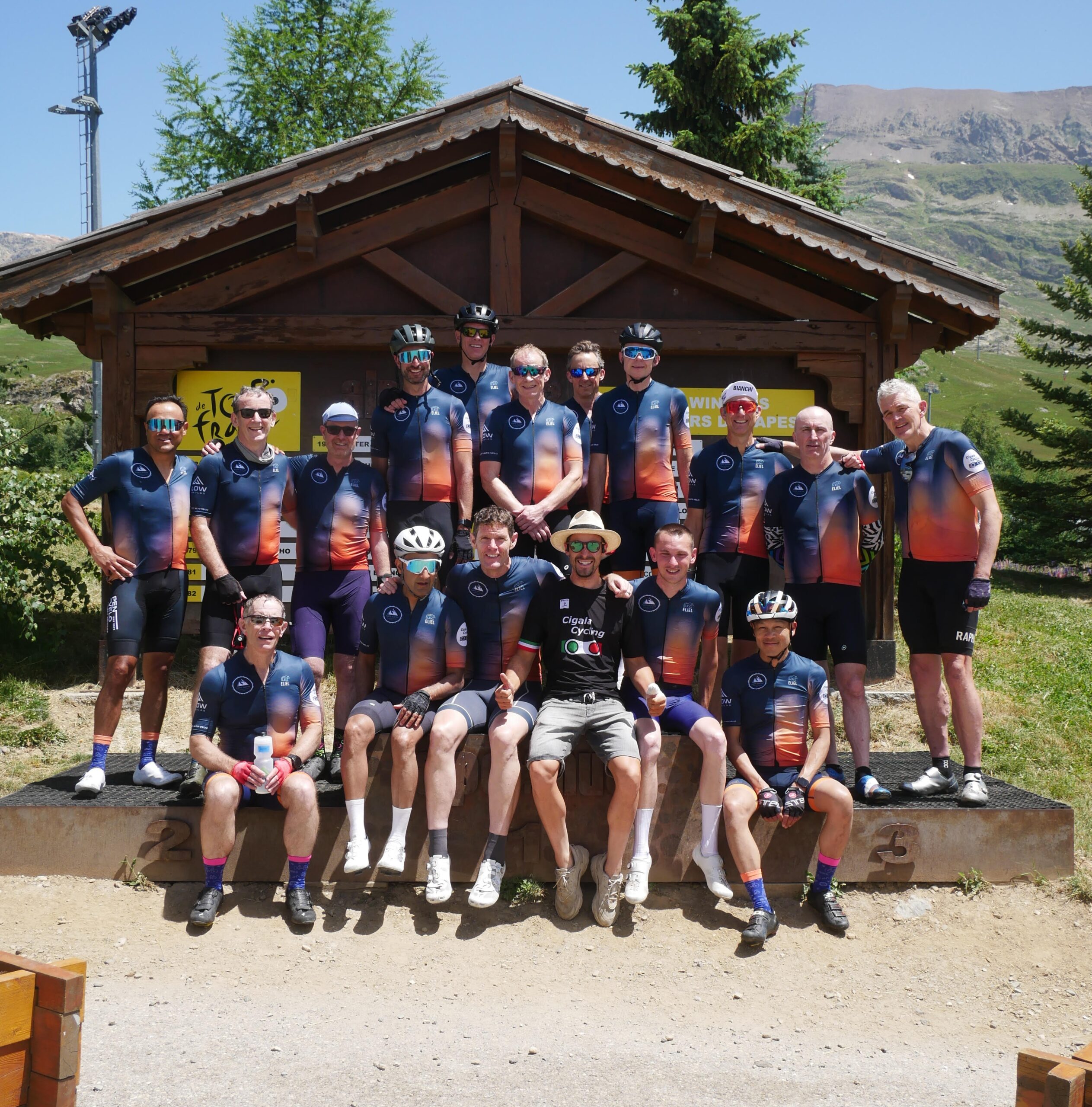
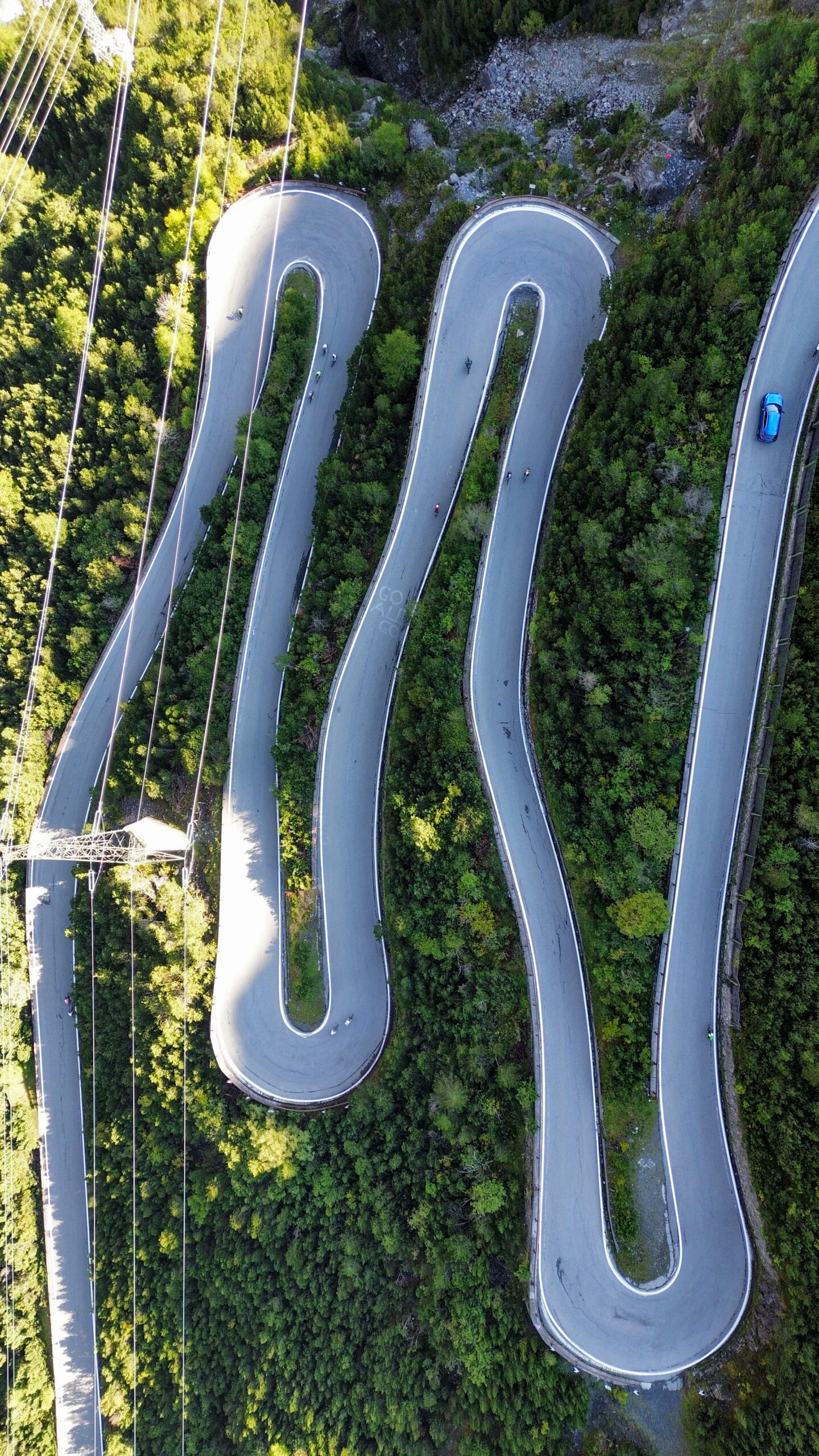
No climb in cycling has quite the same cultural weight as Alpe d’Huez. The 21 numbered hairpins, each bearing the name of a Tour de France stage winner who triumphed there, have turned this from a simple mountain road into something closer to a pilgrimage site for cyclists. I’ve ridden it more times than I can count, and the atmosphere on race weekend — thousands of fans lining every hairpin — is genuinely unlike anywhere else in cycling.
Key Numbers
- Length: 13.8km from Bourg d’Oisans
- Average gradient: 8.1%
- Elevation gain: approximately 1,071m
- Summit elevation: 1,860m
- The 21 hairpins: numbered in descending order as you climb, so hairpin 21 is near the bottom and hairpin 1 is at the very top — a small but genuinely motivating detail once you understand it
A Brief History
Alpe d’Huez first appeared in the Tour de France in 1952, when Fausto Coppi won the first-ever mountaintop finish here. It disappeared from the race for over two decades before returning in 1976 and has been a fixture ever since, hosting more mountaintop finishes than almost any other climb in the sport. The tradition of naming each hairpin after a stage winner began later and has become one of the most recognizable pieces of cycling folklore — riding past hairpin 7, for instance, and knowing which rider’s name is painted there, adds a layer of history to every kilometre.t, with routes adapted to the group’s ambitions, weather conditions and desired daily distances.
What Makes It Different From Other Famous Climbs
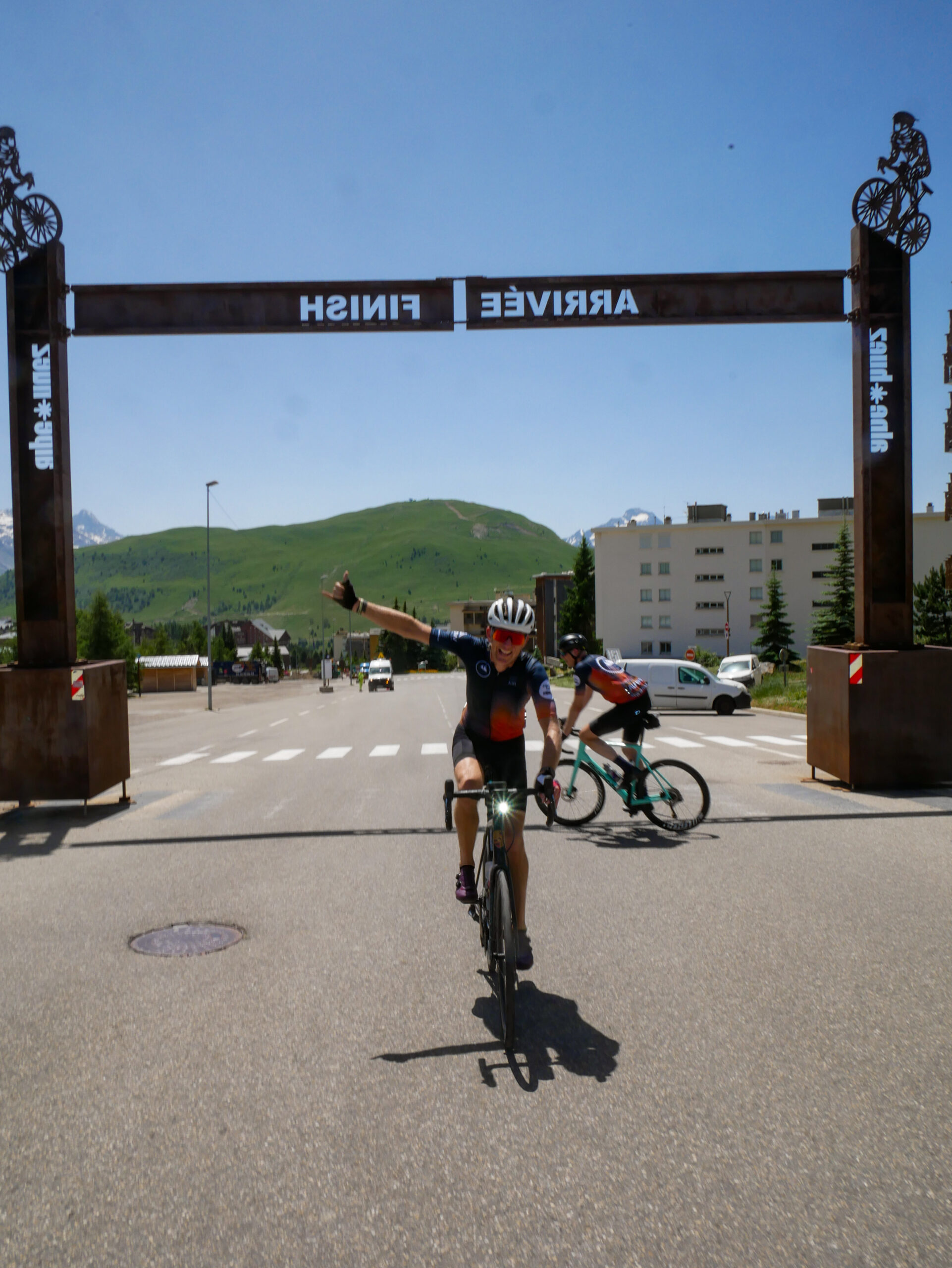
Unlike the Galibier or Stelvio, which feel remote and high-altitude, Alpe d’Huez has a resort town at the summit, meaning the climb ends not at a bare mountain pass but among hotels, shops, and the general infrastructure of a ski resort in its summer mode. This changes the character of the ride — less wilderness, more spectacle, especially with the fan graffiti painted on the road surface that builds up before each Tour de France visit and lingers for years afterward.
Difficulty in Context
The average gradient of 8.1% is genuinely tough and rarely lets up — unlike some longer climbs with gentler sections to recover on, Alpe d’Huez maintains a fairly relentless pitch throughout, with the first few kilometres from Bourg d’Oisans actually the steepest section of the entire climb, which surprises many first-timers expecting an easier start.
Best Time to Ride
June through September offers the most reliable conditions. Race weekend itself (when the Tour de France visits, which isn’t every year) draws enormous crowds of amateur riders attempting the climb in the days before the professionals, which some riders love for the atmosphere and others prefer to avoid for the traffic and congestion on the road.
Tips From the Road
Pace yourself against the hairpin markers rather than the summit — with 21 numbered turns counting down, it’s easy to break the effort into manageable chunks rather than fixating on the total distance remaining. The steep opening kilometres catch many first-timers out; resist the urge to match a strong start with an equally strong middle section, since the gradient doesn’t meaningfully ease until near the top.
How This Fits Into a Cigala Cycling Tour
Alpe d’Huez is one of the centerpiece climbs on our French Alps cycling tour, and it also features as one of the possible stops on a custom Raid Alps traverse for riders wanting to link it with other major Alpine climbs.
If you’d like this climb combined with other regional favorites or timed around a specific Tour de France visit, we’re also happy to design a fully custom tour around it.
Frequently Asked Questions
Is Alpe d’Huez harder than the Galibier or Stelvio?
It’s shorter than both, but its relentless, unrelieved gradient makes it feel similarly demanding despite the lower total elevation gain — a different kind of hard rather than simply easier.
How busy is the road with tourist traffic?
Reasonably busy in peak summer given the resort town at the summit, though nowhere near as congested as during an actual Tour de France visit, when amateur ride days draw enormous numbers of cyclists.
Can beginners attempt Alpe d’Huez?
A rider comfortable sustaining a hard effort for around an hour can complete it, though the consistent steep gradient makes it a genuine test even for reasonably fit recreational riders.
Is there anywhere to refuel partway up?
Limited options exist at a couple of the hairpin bends in season, but it’s best treated as a self-supported effort with your own water and nutrition for the roughly hour-long climb.
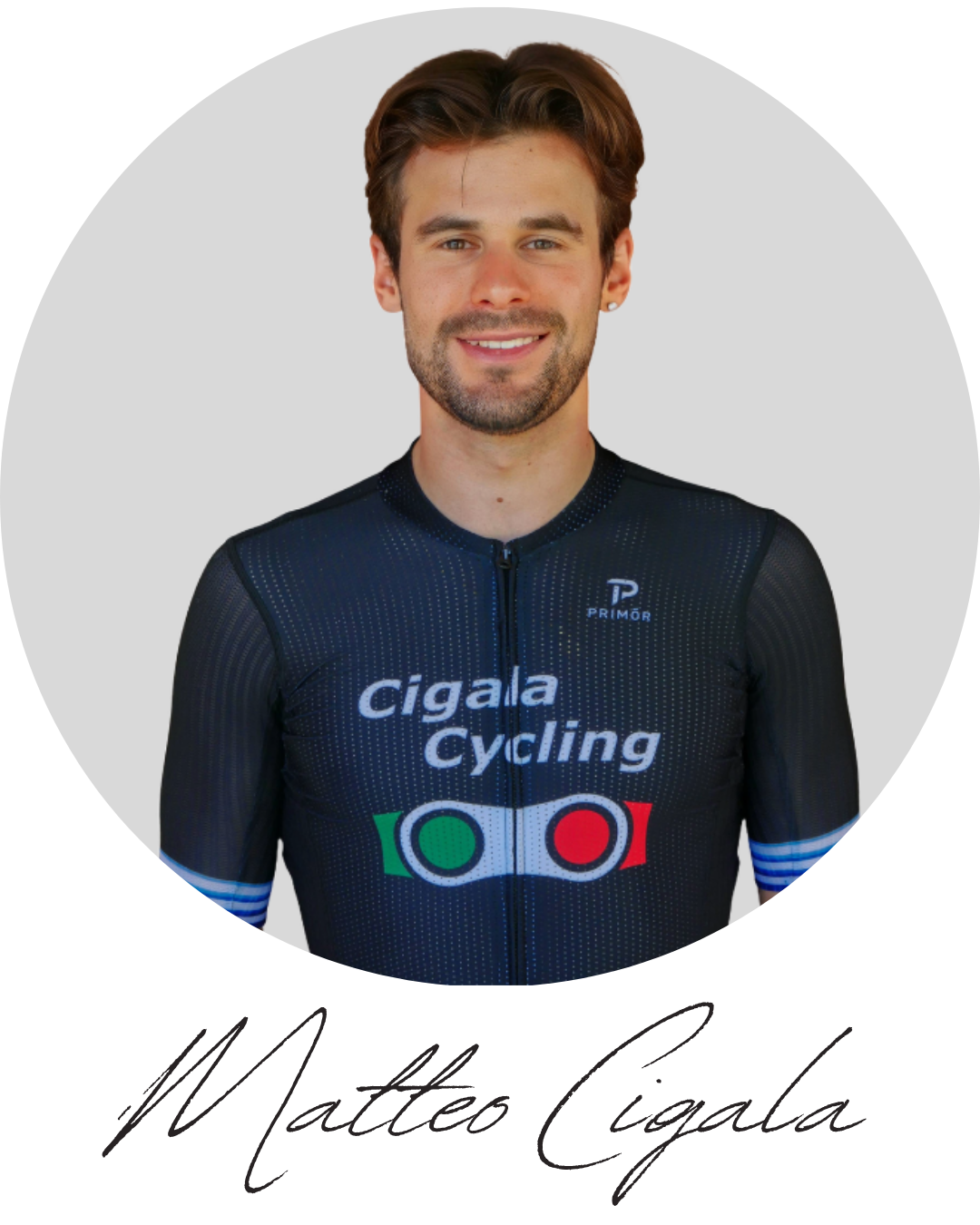
— Matteo Cigala
Former European Gran Fondo Champion, Vice World Gran Fondo & Gravel Champion, Italian Gravel Champion, Coach & Tours Director of Cigala Cycling Tours