Alongside Mallorca, Calpe on Spain’s Costa Blanca has become one of Europe’s other major winter cycling hubs, drawing professional teams and serious amateur riders alike for the same reasons — reliable mild weather, excellent roads, and genuine climbing terrain within easy reach of the coast.
Why Calpe Specifically
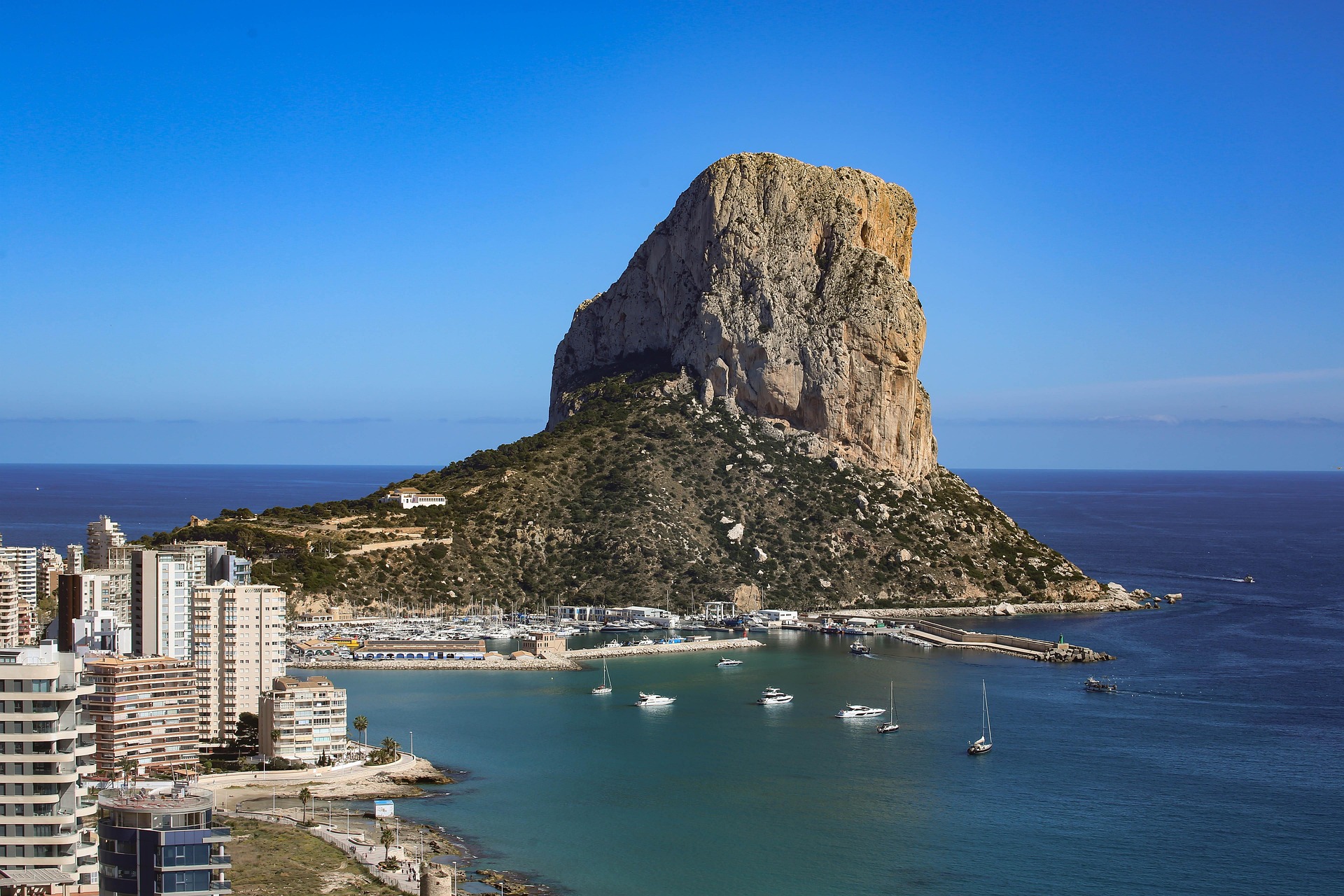
Calpe’s appeal comes from its position at the base of the Costa Blanca’s inland mountains, with the dramatic Peñón de Ifach rock formation marking the town itself, and a network of climbing roads reaching into the hills within a short ride of the coast. Unlike some coastal training destinations, you don’t need a long transfer to reach genuine climbing — it starts almost immediately inland from town.
The Coll de Rates
The region’s best-known climb, the Coll de Rates is a moderate, well-surfaced ascent through orange groves and almond trees, popular enough with training cyclists that it’s rarely quiet, but rightly so — consistent gradient, excellent road surface, and genuinely scenic climbing through Mediterranean agricultural terrain.
Beyond the Coll de Rates
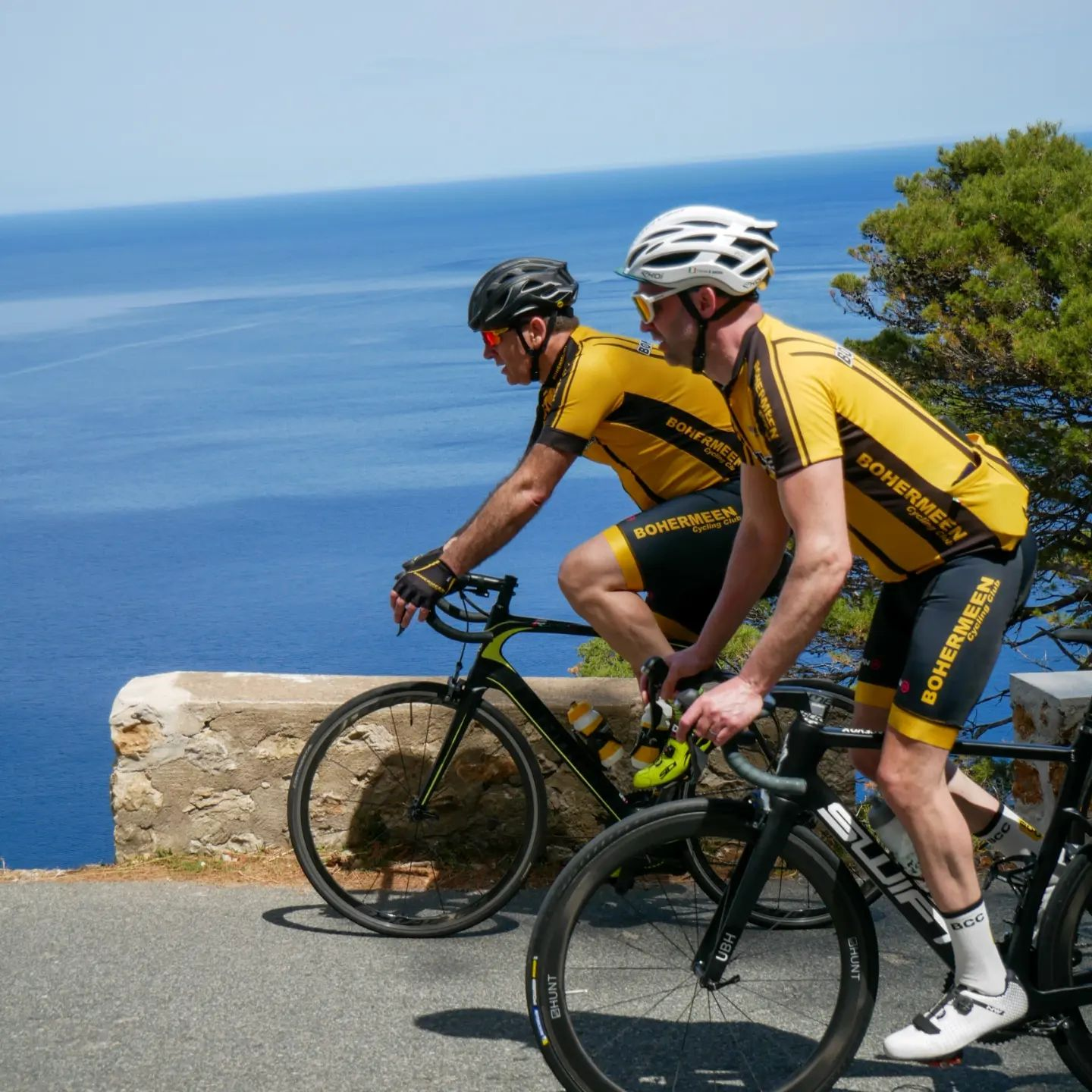
The wider Costa Blanca hinterland offers considerably more climbing than just this one signature road — a network of interconnected valley and mountain roads means multi-day itineraries here rarely repeat the same route twice, with options ranging from gentle valley rides to more serious sustained climbs further inland.
Best Time to Ride
Similar to Mallorca, October through April is prime season, avoiding the intense summer heat that makes inland climbing genuinely uncomfortable in July and August. Winter here stays notably mild even by Mediterranean standards, which is precisely why the professional training-camp culture developed around this coast.
What Makes This Different From Mallorca
Where Mallorca is an island with a defined, compact geography, the Costa Blanca is part of the Spanish mainland, meaning the climbing terrain extends further inland with more variety and, generally, fewer other cyclists sharing the most popular roads compared to Mallorca’s more concentrated, internationally famous climbs.
Best Time to Ride
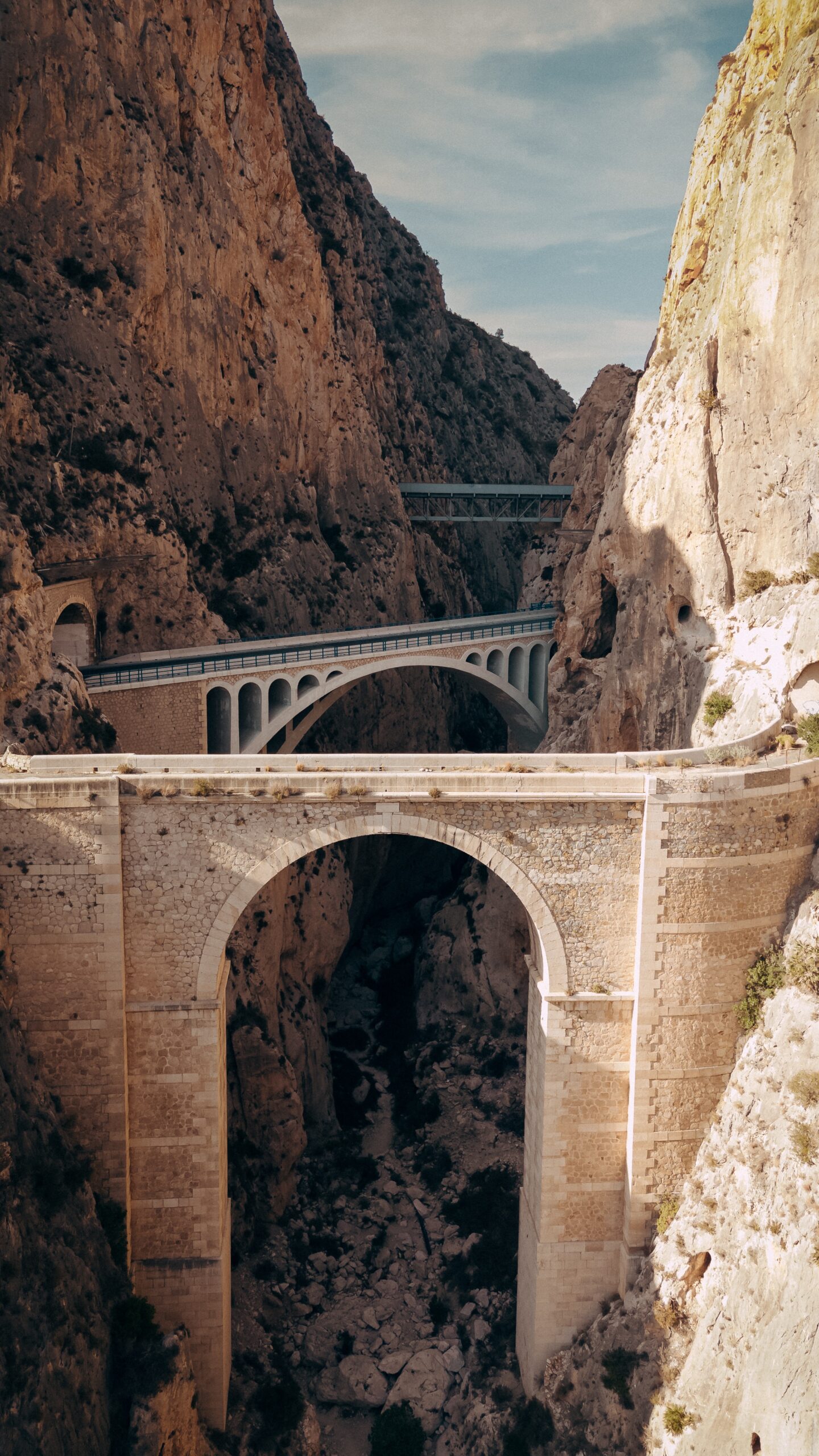
October through May is the prime cycling season, precisely because it avoids the intense summer heat and tourist crowds of the beach season — this inverse seasonality compared to most of our Mediterranean destinations is part of what makes Mallorca such a valuable addition to a touring calendar, filling exactly the months when Alpine and Pyrenean high passes are closed.
Bike Choice
A road bike is the right tool for essentially the entire island — Mallorca’s cycling infrastructure is built around road riding, with excellent tarmac throughout, and there’s little reason to bring a gravel setup here unless specifically seeking out the island’s more remote agricultural back roads.
How This Fits Into a Cigala Cycling Tour
Mallorca is one of our favorite off-season additions precisely because it fills the winter and early spring gap left by our higher-altitude destinations, offering genuine mountain climbing in the Tramuntana alongside easy coastal days, all in reliably mild weather.
If you’d like a custom itinerary focused specifically on Sa Calobra and Puig Major, or want to combine mountain days with more relaxed coastal riding, we’re also happy to design a fully custom tour around Mallorca for your group.
Frequently Asked Questions
How does Calpe compare to Mallorca for a winter training trip?
Both offer similarly mild winter weather and genuine climbing; Calpe’s mainland location offers somewhat more extensive and less crowded inland terrain, while Mallorca has the more internationally recognized signature climbs.
Is the Coll de Rates suitable for less experienced climbers?
Yes — it’s a moderate, consistent climb well suited to riders building confidence on sustained ascents, without the more extreme gradients found on some Alpine climbs.
What’s the coastal town of Calpe itself like to stay in?
A pleasant, moderately sized coastal town with good infrastructure for cycling visitors, including the distinctive Peñón de Ifach rock formation as a local landmark.
Is this a good destination outside of the winter training season?
It’s rideable year-round, but summer heat inland makes serious climbing days considerably less comfortable — winter and shoulder-season months remain the better choice.
— Matteo Cigala
Former European Gran Fondo Champion, Vice World Gran Fondo & Gravel Champion, Italian Gravel Champion, Coach & Tours Director of Cigala Cycling Tours