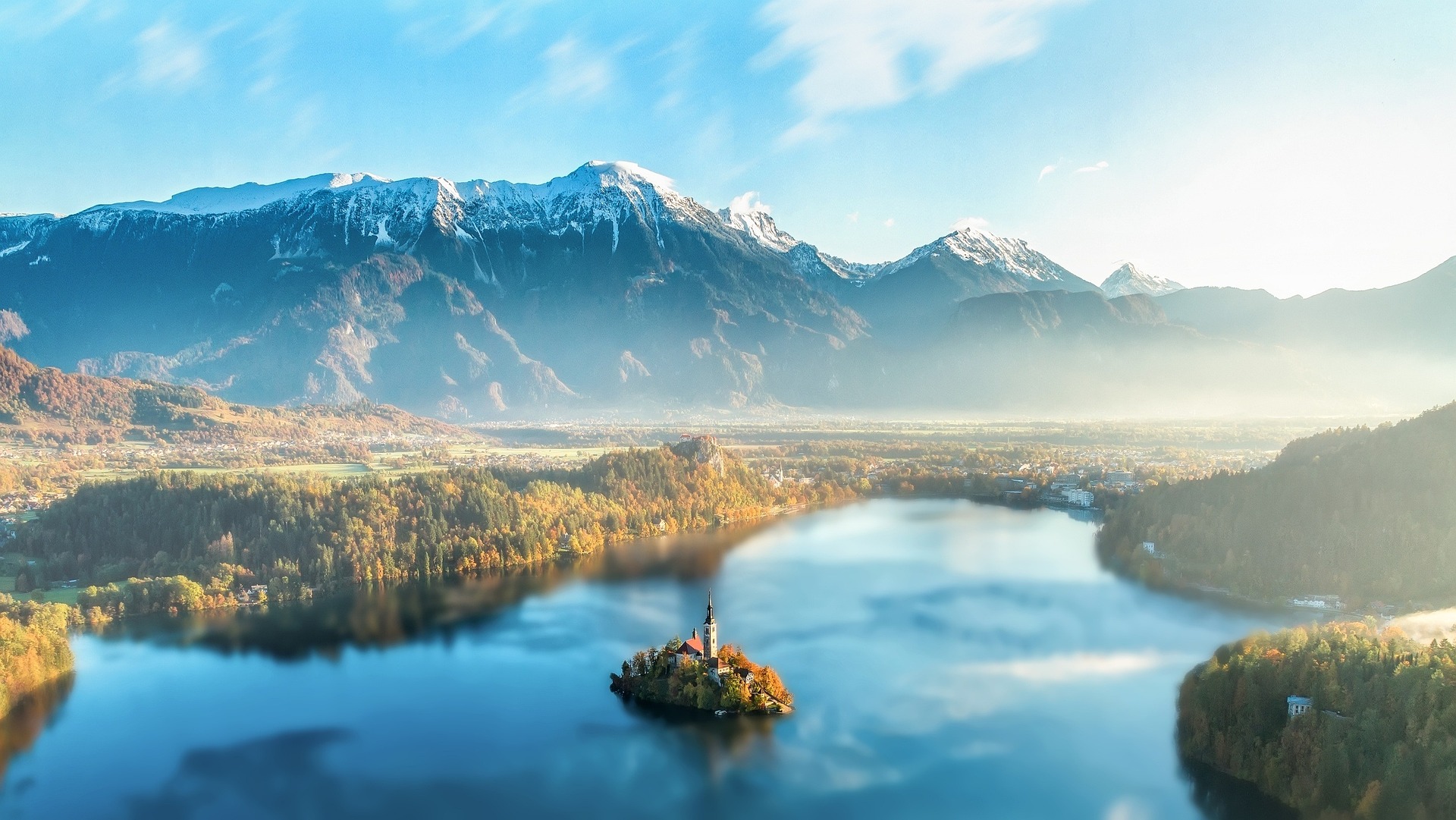
Slovenia is one of the quieter gems in European cycling, and I mean that literally — the roads through the Julian Alps carry a fraction of the traffic you’d find on comparable Italian or French passes, while offering scenery and climbing that rivals the more famous ranges next door.
The Julian Alps
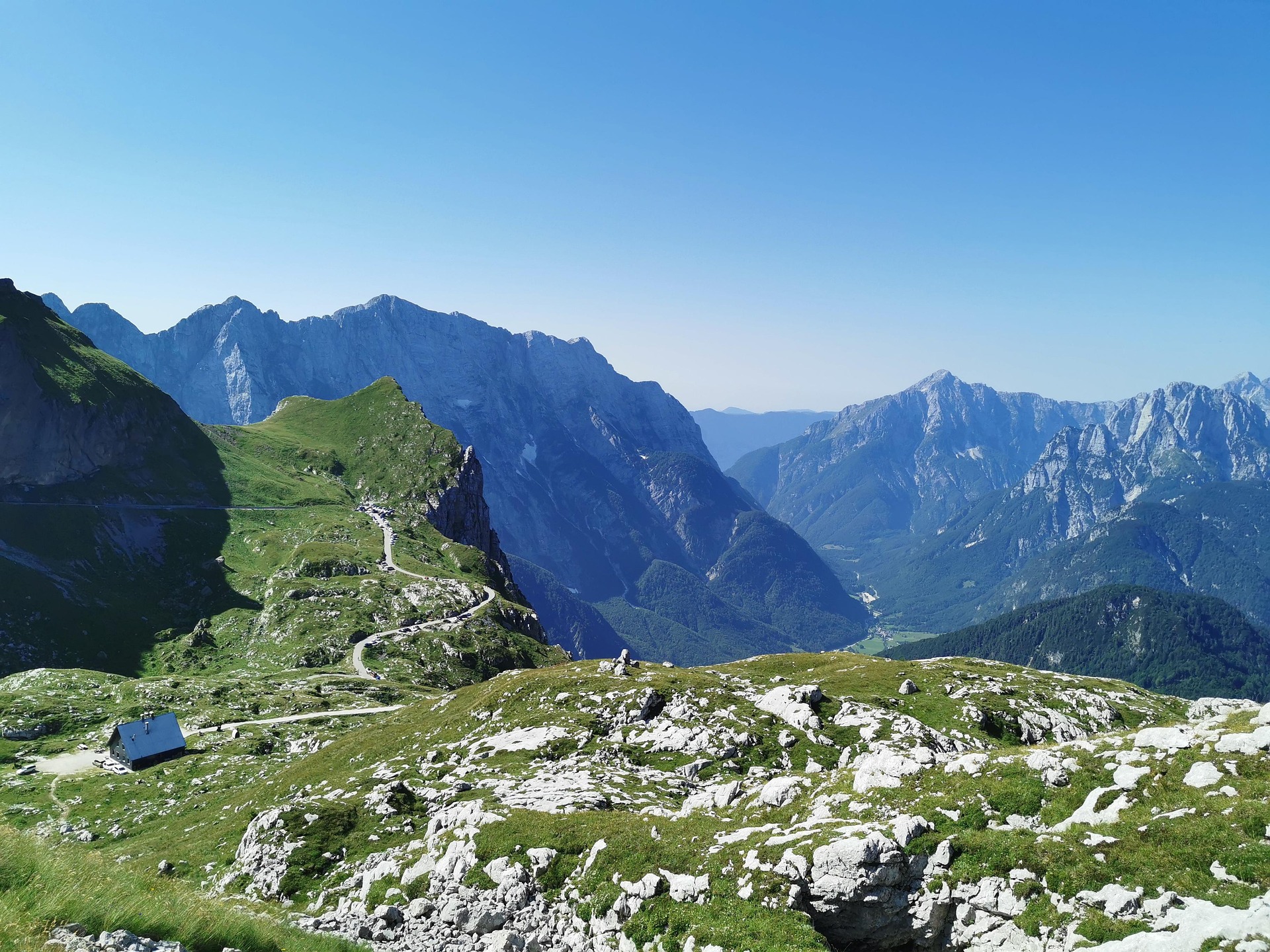
This compact mountain range in Slovenia’s northwest, extending into Italy, offers genuinely dramatic Alpine scenery — turquoise glacial rivers, sheer limestone peaks, and forested valleys — combined with a network of climbing roads considerably less discovered by international cycling tourism than equivalent terrain in the Dolomites or French Alps.
The Vršič Pass
Slovenia’s signature climb and the highest paved mountain pass in the country, the Vršič connects the Soča Valley to the Sava Valley via a dramatic series of hairpins on both sides — 24 numbered switchbacks on the northern ascent alone. Built originally during the First World War for military purposes, it retains a slightly wilder, less manicured character than some of its more tourist-developed Alpine counterparts, with a gravel-surfaced section on part of the historic route still visible alongside the modern paved road.
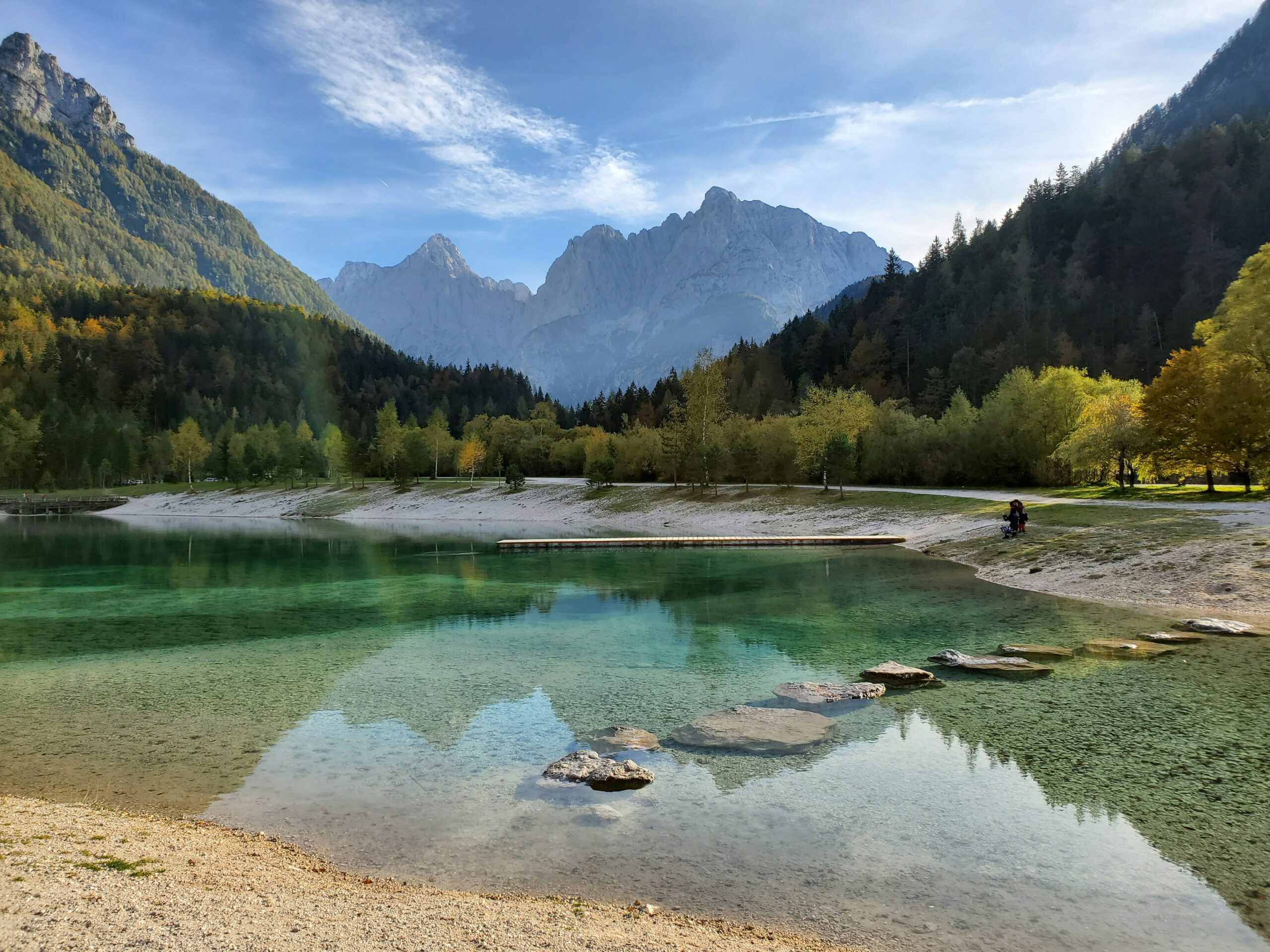
The Soča Valley
On the western side of the pass, the Soča Valley offers some of the most strikingly colored river scenery in Europe — a genuinely turquoise glacial river running through a valley that also saw significant First World War fighting, adding a layer of history to what is already spectacular riding terrain.
Why Slovenia Stays Quiet
Despite offering climbing and scenery genuinely comparable to the Dolomites or parts of the French Alps, Slovenia simply hasn’t developed the same international cycling-tourism profile, which works entirely in visiting cyclists’ favor — quieter roads, less competition for accommodation, and a more relaxed atmosphere throughout.
Best Time to Ride
June through September, similar to other Alpine-altitude destinations, with the Vršič Pass itself subject to the same late-spring snow clearance timing as comparable high passes elsewhere in the Alps.
Gravel Riding in Slovenia
While Slovenia is renowned for its mountain roads, it’s equally impressive for gravel cycling. A vast network of forest roads, military tracks, alpine plateaus, and quiet countryside lanes provides endless opportunities for adventure away from traffic.
From flowing gravel through Triglav National Park to hidden climbs above the Soča Valley and scenic routes linking remote mountain villages, Slovenia offers the perfect mix of challenging terrain and breathtaking scenery. Whether you’re looking for smooth hard-packed gravel suitable for any gravel bike or more adventurous backcountry routes, there’s something for every rider.
Our custom Slovenia tours can combine iconic road climbs like the Vršič Pass with unforgettable gravel adventures, creating a unique cycling experience that showcases the very best of this remarkable country.
Food and Culture
Slovenian cuisine blends Alpine, Mediterranean, and Balkan influences depending on the region, and the country’s approachable size means a cycling trip here can combine mountain days with easy access to Lake Bled’s famous scenery or the capital Ljubljana’s compact, walkable old town.
How This Fits Into a Cigala Cycling Tour
Slovenia is a genuine hidden-gem addition to our Alpine offerings, giving riders who’ve done the Dolomites or French Alps a comparably spectacular but considerably quieter alternative, centered on the Vršič Pass and Soča Valley.
If you’d like this combined with the neighboring Italian Dolomites given their geographic proximity, or want a custom itinerary focused specifically on the Julian Alps, we’re also happy to design a fully custom tour for your group whether is road or gravel.
Frequently Asked Questions
How does the Vršič Pass compare to Italian Dolomites climbs?
Comparable in scenery and difficulty, but considerably quieter in terms of traffic and tourist crowds, which many experienced Alpine cyclists specifically seek out.
Is Slovenia easy to combine with a Dolomites or Italian Alps trip?
Yes, given its geographic proximity — this is one of the more natural custom combinations we build for riders wanting two distinct Alpine experiences in one trip.
What’s the historical significance of the Vršič Pass?
It was built during the First World War for military logistics, and sections of the historic route, including some original construction, remain visible alongside the modern road.
Is Slovenia good for gravel cycling?
Absolutely. Slovenia is one of Europe’s best gravel cycling destinations, with hundreds of kilometres of forest roads, alpine tracks, and quiet backroads. Our custom tours can include everything from scenic gravel routes suitable for first-time gravel riders to more technical mountain adventures for experienced cyclists.
Is Slovenia suitable for riders who don’t want extreme climbing difficulty?
The Vršič is a genuine high-mountain pass and should be treated with the same respect as comparable Alpine climbs, though Slovenia’s valleys also offer gentler riding for those wanting to balance harder days with easier ones.
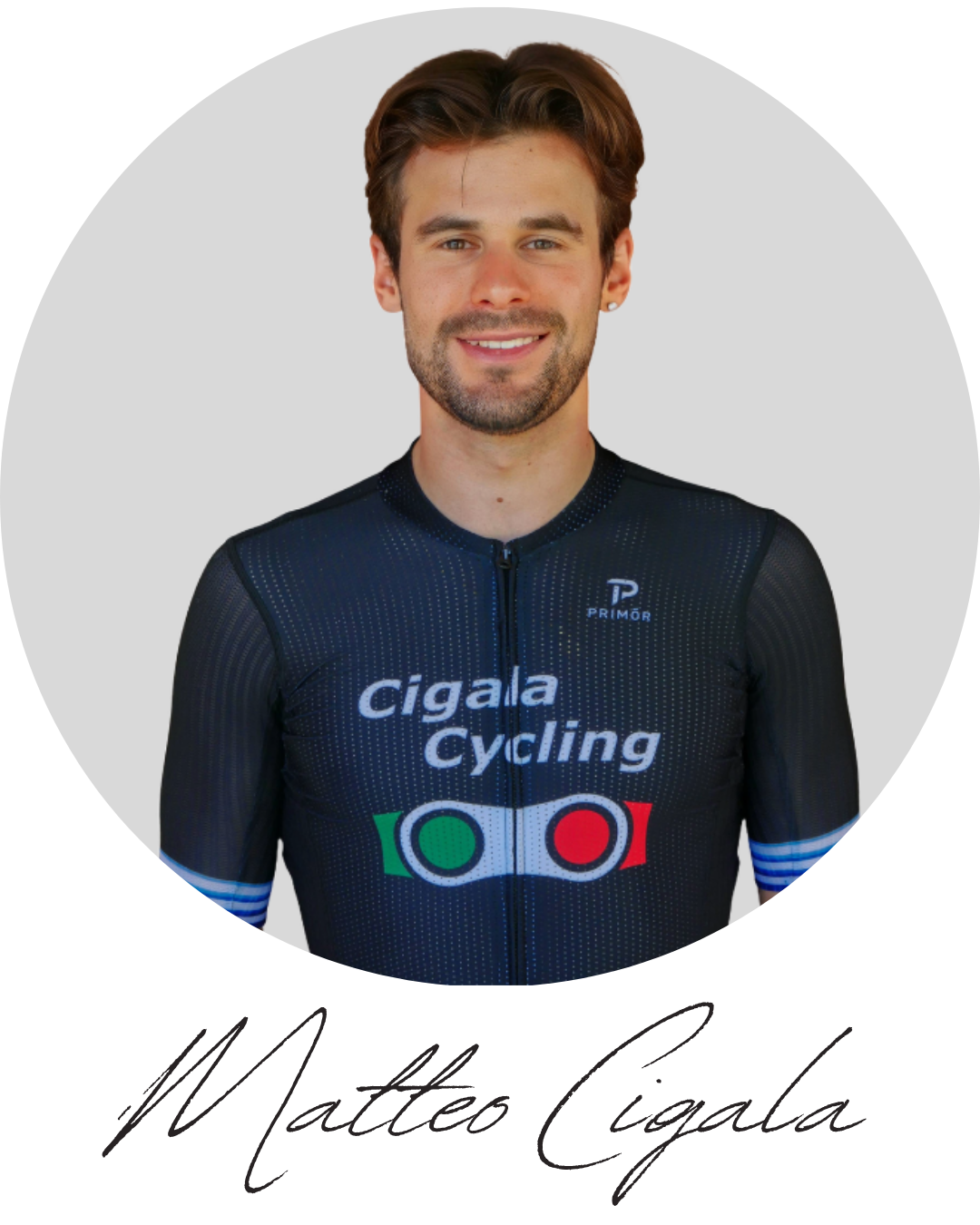
— Matteo Cigala
Former European Gran Fondo Champion, Vice World Gran Fondo & Gravel Champion, Italian Gravel Champion, Coach & Tours Director of Cigala Cycling Tours