Sicily offers something no other Italian destination in our portfolio can — the chance to climb an active volcano. Mount Etna dominates the island’s cycling reputation, but Sicily’s appeal extends well beyond it, into genuinely varied coastal and hill terrain across the wider island.
Climbing Mount Etna
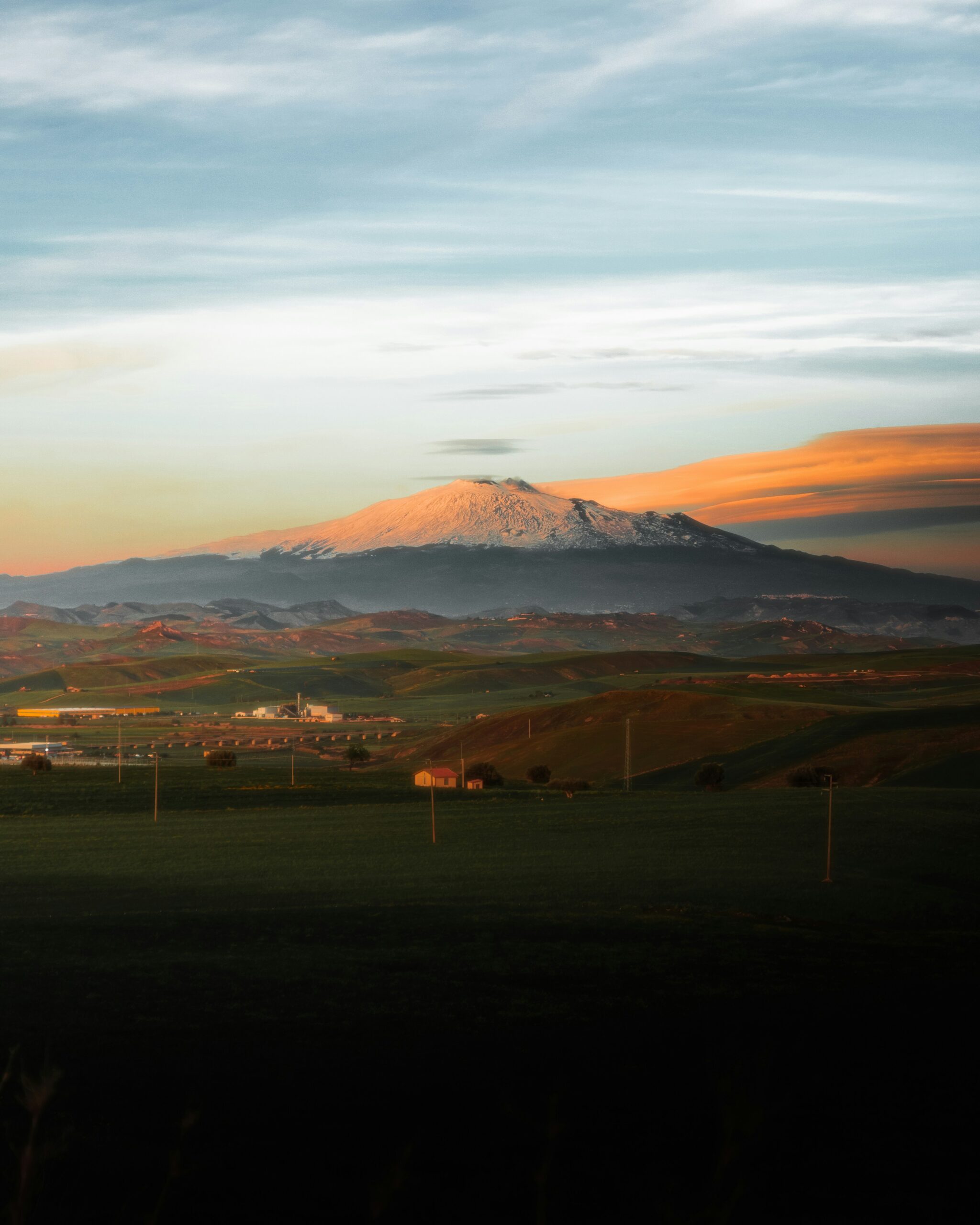
Europe’s largest active volcano, Etna offers several route options up its lower and mid slopes (the very summit crater area is off-limits to casual cyclists for safety reasons, and access can change based on volcanic activity). The climbing here is genuinely unique — riding through changing vegetation zones from citrus groves at the base to bare volcanic rock higher up, with visible lava flows from past eruptions crossing the road in places, a stark, otherworldly landscape unlike any other climb in Europe.
What Makes Etna Different From Alpine Climbs
Beyond the obvious volcanic novelty, Etna’s climbing character differs from Alpine passes in its surroundings — rather than pine forest and alpine meadow, you’re riding through a landscape shaped by relatively recent geological activity, with the mountain’s summit often visibly venting steam, a genuine reminder that this is an active, living volcano rather than a dormant peak.
The Wider Island
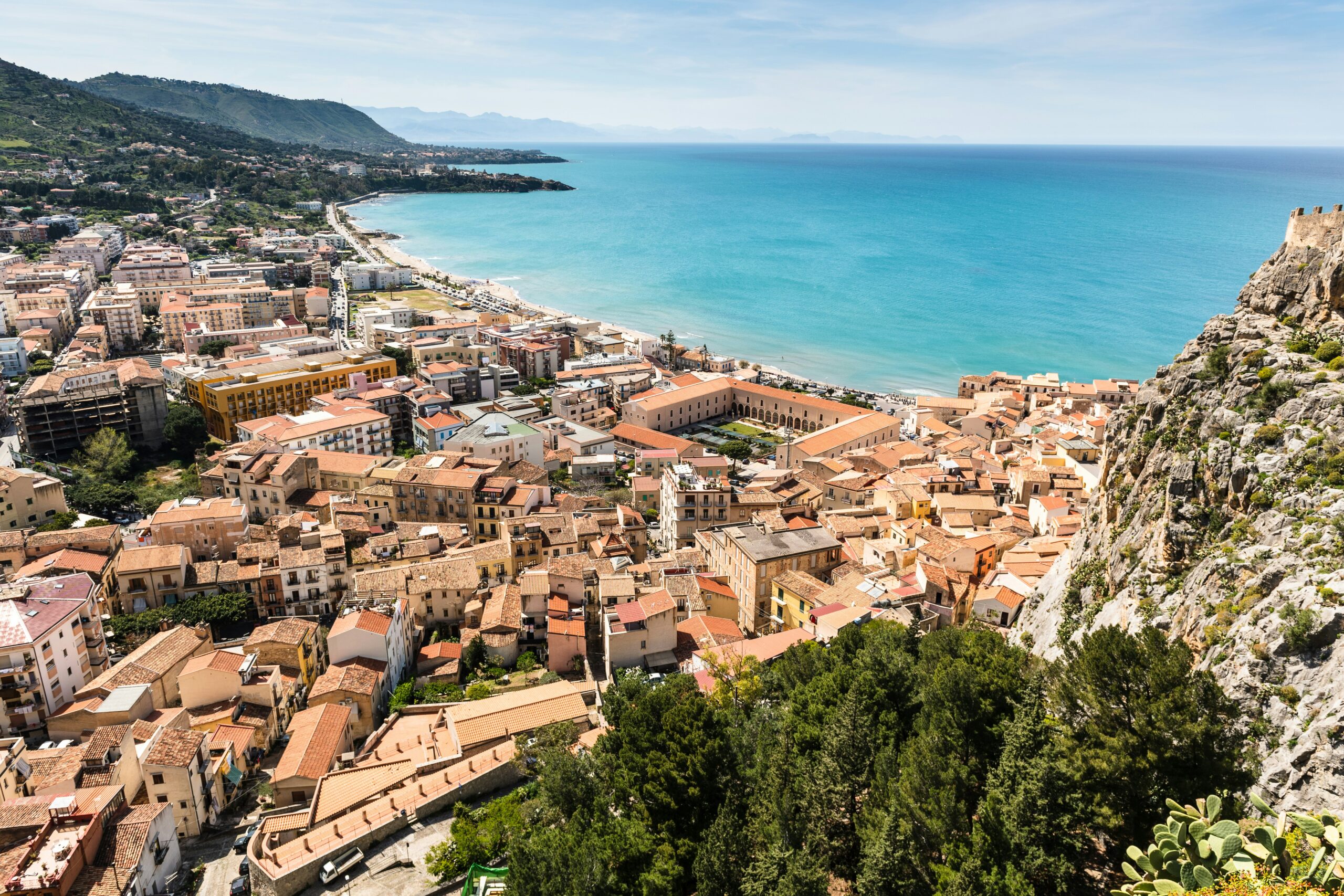
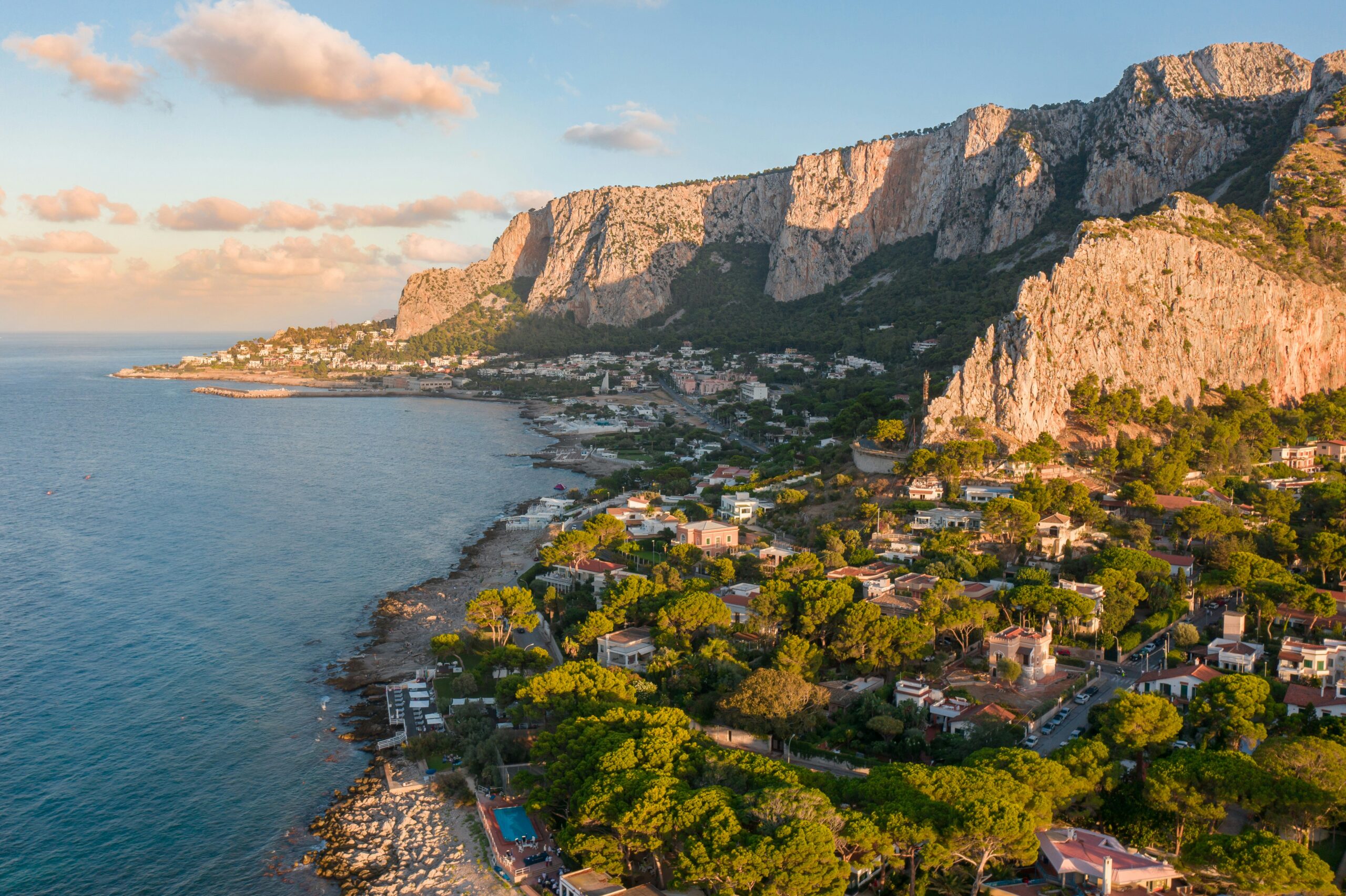
Sicily is far more than just Etna — the island’s coastline offers dramatic cliff-top roads and small fishing towns, particularly along the northern coast, while the interior hill country provides rolling, less-touristed riding through countryside dotted with ancient Greek and Roman ruins, a reminder of the island’s long history as a crossroads of Mediterranean civilizations.
Best Time to Ride
Spring (April–May) and autumn (September–October) offer the most comfortable temperatures, with summer heat, particularly at lower elevations away from Etna’s cooling altitude, becoming genuinely intense in July and August.
A Note on Etna’s Activity
As an active volcano, Etna does occasionally experience eruptive activity that can affect access to certain roads or areas — this is a normal part of planning a Sicily cycling trip, and current conditions are always checked before finalizing any Etna-inclusive itinerary.
Food and Culture
Sicilian cuisine reflects the island’s layered history — Arab, Greek, Norman, and Spanish influences all show up in the local food, alongside excellent seafood and some of Italy’s best citrus, grown in the fertile volcanic soil around Etna’s base.
Gravel Riding in Sicily
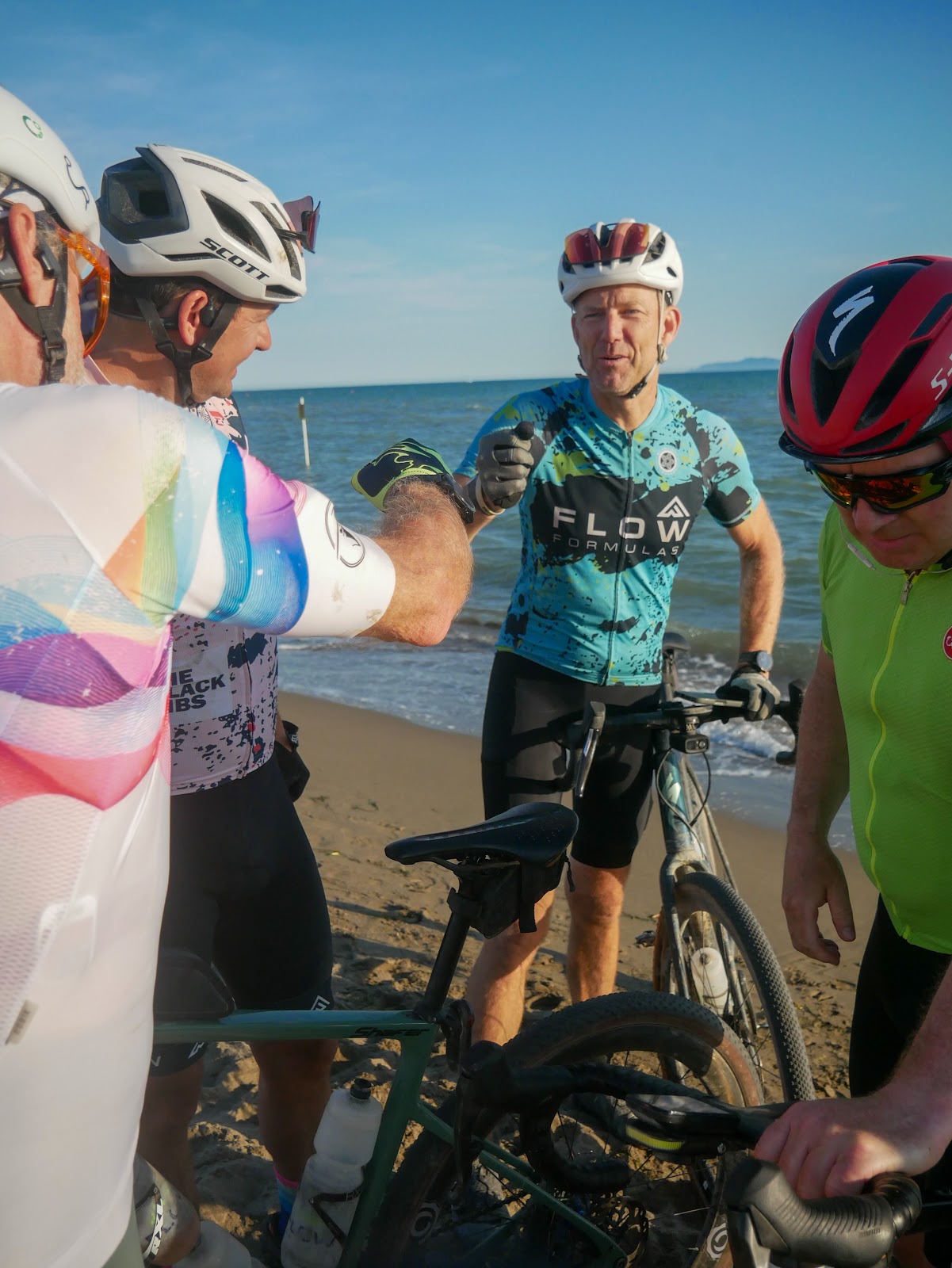
Sicily is one of Italy’s most exciting destinations for gravel cycling. The slopes of Mount Etna are crisscrossed with volcanic tracks, ancient lava roads, forest trails, and quiet gravel lanes that offer a completely different perspective of the mountain. Away from Etna, rolling white roads weave through vineyards, olive groves, and remote hilltop villages, creating endless opportunities for adventure far from traffic.
The Sicily divide route is also a popular crossing of sicily providing incredible gravel riding.
Whether you’re looking for fast-flowing gravel suitable for all experience levels or more challenging volcanic terrain, Sicily delivers an unforgettable riding experience. Our custom tours can combine iconic road climbs with carefully selected gravel routes, giving riders the best of both worlds.
How This Fits Into a Cigala Cycling Tour
Sicily is one of our most unique Italian destinations, combining the unforgettable experience of riding an active volcano with spectacular coastal roads, historic villages, and incredible gravel riding.
Every one of our Sicily tours is fully custom. Whether you’re looking for a road-focused week centred around Mount Etna, a gravel adventure exploring Sicily’s volcanic landscapes and countryside, or a combination of both, we’ll design a fully custom tour around Sicily for your group.the perfect itinerary for your group.
Frequently Asked Questions
Can you actually ride all the way to Etna’s summit?
No — the true summit crater area is restricted for safety given ongoing volcanic activity, but the lower and mid-slope climbing routes offer a substantial, genuinely dramatic ride well up the mountain.
Is Etna dangerous to cycle given it’s an active volcano?
The routes used for cycling are well away from any immediate hazard under normal conditions, and access plans always account for current activity levels — this is routinely managed rather than a significant risk in practice.
How does Etna’s climbing compare to Alpine passes?
Comparable in terms of physical demand on lower slope routes, but with an entirely different visual and geological character — volcanic rather than alpine scenery throughout.
Is Sicily good for gravel cycling?
Absolutely. Sicily offers an outstanding mix of volcanic gravel roads, forest tracks, countryside lanes, and quiet white roads. The Mount Etna region is particularly popular, allowing riders to combine world-class road climbs with unique off-road adventures through volcanic landscapes.
Is Sicily a good destination for combining cycling with historical sightseeing?
Very much so — the island’s Greek, Roman, and later historical sites are a genuine highlight alongside the riding, making it well suited to a trip balancing cycling with broader cultural exploration.
— Matteo Cigala
Former European Gran Fondo Champion, Vice World Gran Fondo & Gravel Champion, Italian Gravel Champion, Coach & Tours Director of Cigala Cycling Tours