The Canary Islands hold a unique position in the professional cycling calendar — genuinely year-round riding weather, volcanic mountains reaching well over 3,000m, and a concentration of altitude training terrain that draws professional teams and serious amateurs alike, in every month of the year.
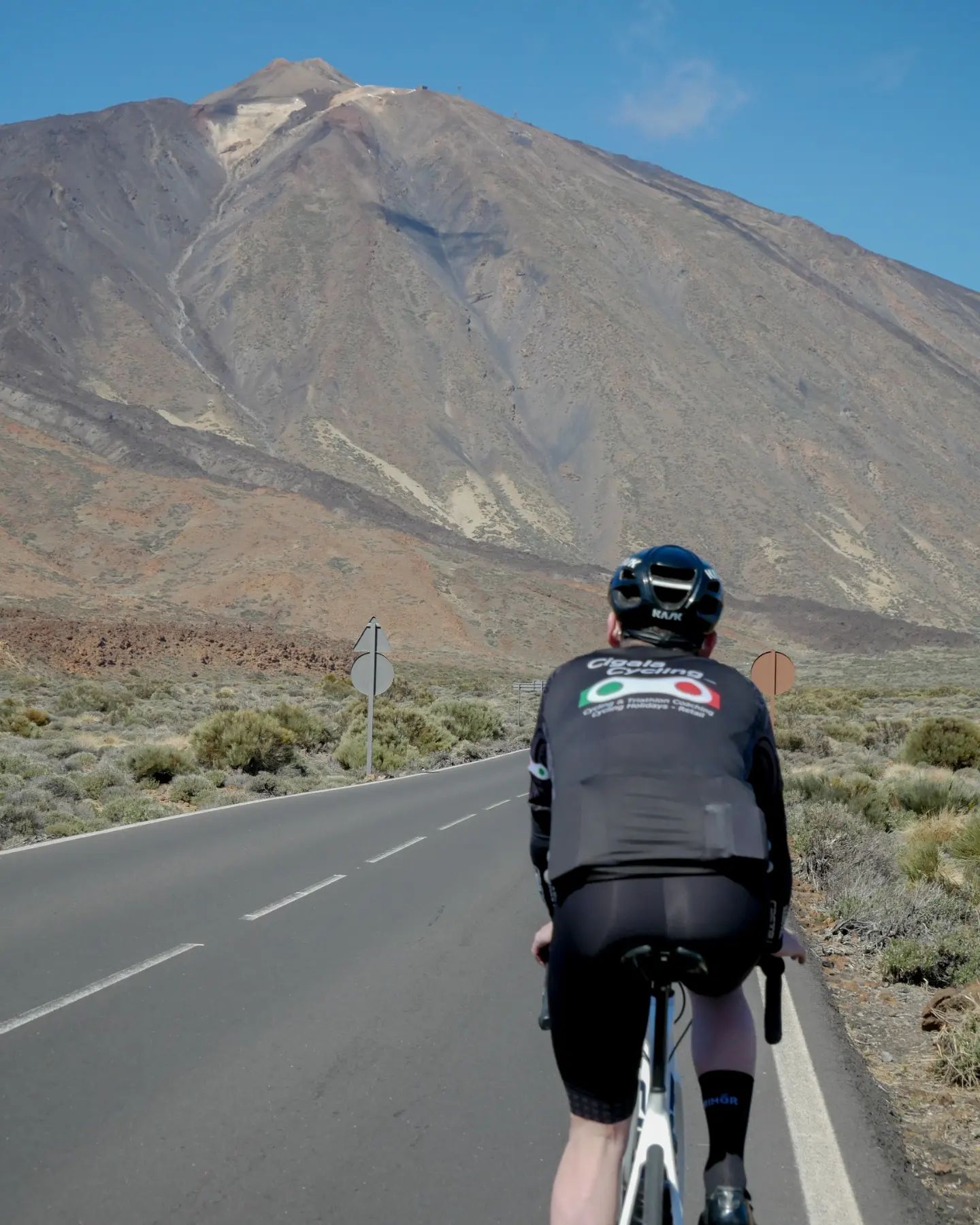
Mount Teide, Tenerife
Spain’s highest peak at 3,715m, Teide dominates Tenerife’s cycling reputation, offering one of the longest continuous paved climbs in Europe — riders can climb from sea level to well over 2,000m on a single mountain, through changing vegetation zones from banana plantations near the coast to the bare volcanic landscape of Teide National Park higher up.
Why the Canaries Work Year-Round
Positioned off the coast of North Africa despite being Spanish territory, the Canary Islands enjoy a genuinely mild, stable climate throughout the year — this is precisely why professional teams use Tenerife specifically for altitude training camps at any point in the season, not just as a winter-only destination the way Mallorca or Calpe function.
Beyond Tenerife
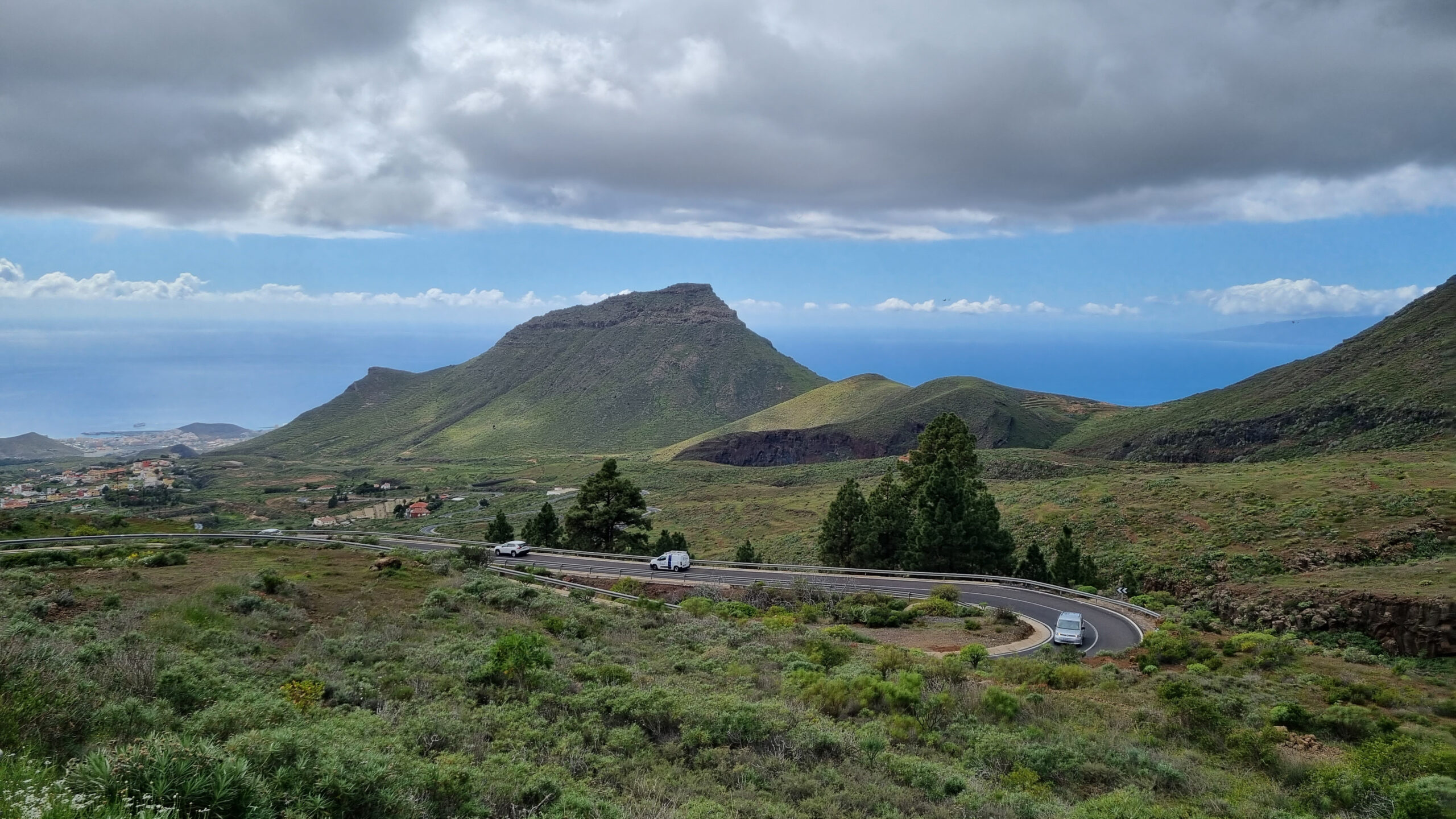
Gran Canaria offers its own substantial climbing terrain, with a more compact but similarly mountainous interior, while Lanzarote and Fuerteventura trade serious climbing for flatter, wind-exposed volcanic terrain popular with triathletes for exactly that reason.
The Volcanic Landscape
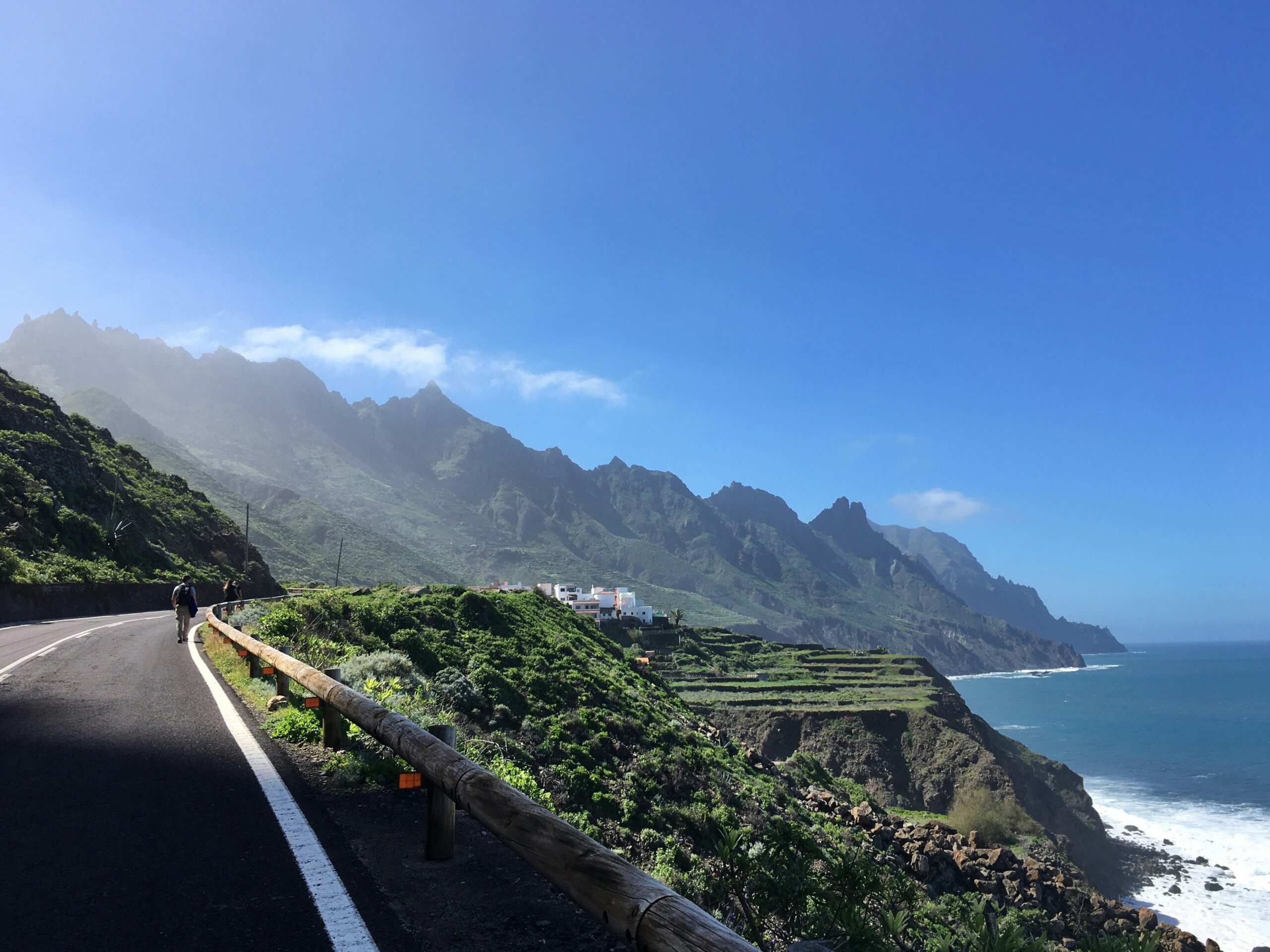
What sets Canary Islands climbing apart visually is the volcanic terrain itself — stark, otherworldly landscapes on the higher slopes of Teide in particular, a genuinely different visual experience from Alpine or Mediterranean hill climbing elsewhere in our portfolio.
Altitude Training Considerations
Because Teide’s climb genuinely reaches significant altitude, riders should be aware of the physical effects of elevation on performance — pacing needs adjusting on the upper slopes, and this is worth factoring into expectations if you haven’t ridden at genuine altitude before.
Best Time to Ride
Genuinely rideable year-round, which is the whole point — winter offers a mild escape from colder European weather, while summer avoids the extreme heat found in some Mediterranean destinations, tempered by the islands’ Atlantic position.
How This Fits Into a Cigala Cycling Tour
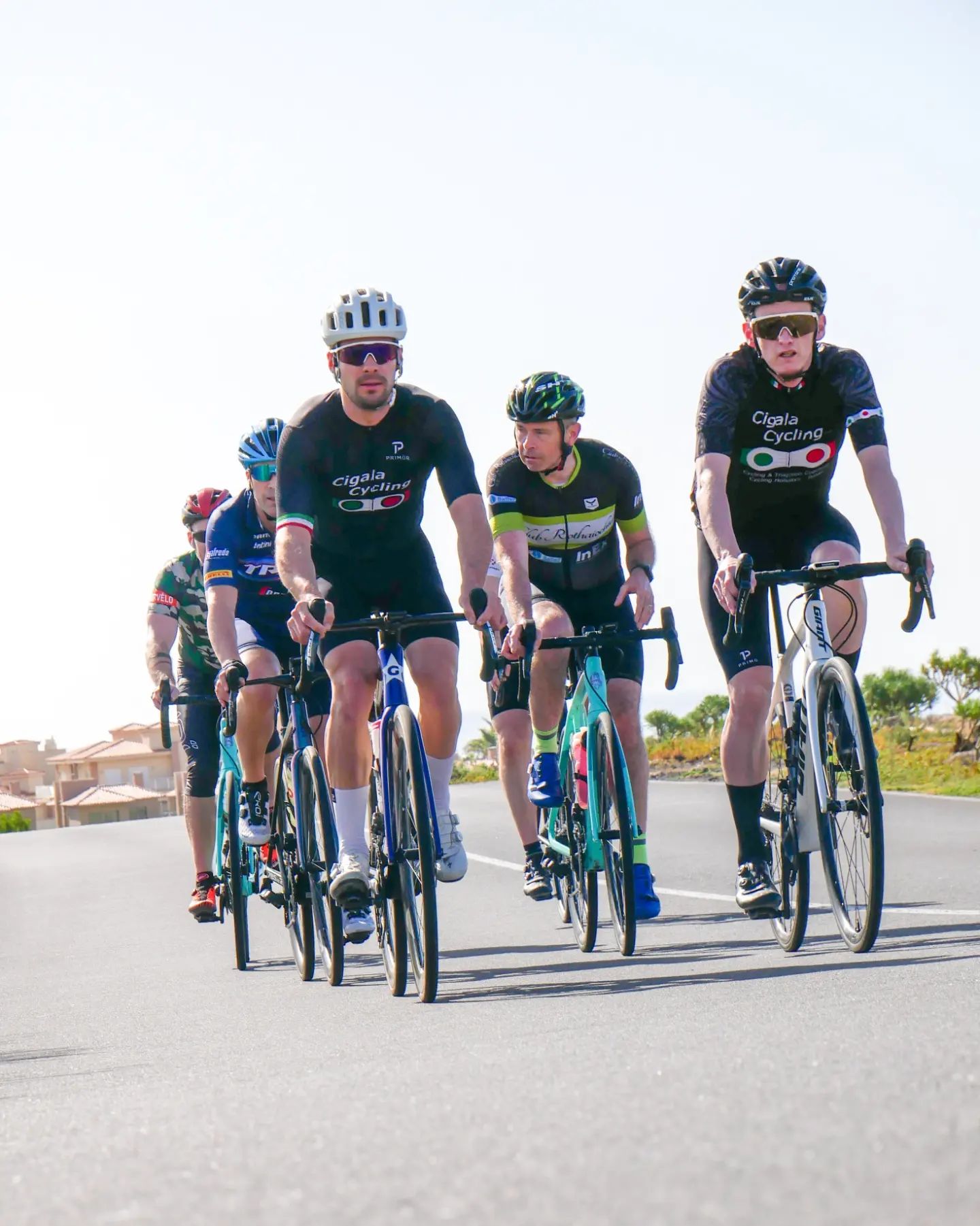
Our Tenerife cycling tour is built around Teide’s volcanic climbing and the island’s genuinely reliable year-round weather, offering a training-camp-caliber experience without needing to time your trip around a specific season.
If you’d like to explore Gran Canaria or combine multiple islands in a single trip, we’re also happy to design a fully custom tour around the wider Canary Islands for your group.
Frequently Asked Questions
Is Mount Teide difficult for someone who hasn’t ridden at altitude before?
The altitude itself does add genuine difficulty on the upper slopes, so pacing conservatively and expecting a harder effort than the gradient alone would suggest is important for first-timers.
Which Canary Island is best for serious cycling?
Tenerife stands out for Teide’s singular climbing experience and its established training-camp reputation; Gran Canaria offers a strong, slightly more compact alternative.
Why do professional teams specifically choose the Canary Islands?
The combination of genuine high-altitude terrain and reliably mild, stable weather year-round is difficult to match elsewhere in Europe, making it uniquely suited to altitude training regardless of season.
Is this a good destination outside of a specific season?
Yes — this is one of its defining strengths compared to our other destinations, most of which have a clearer optimal season.
— Matteo Cigala
Former European Gran Fondo Champion, Vice World Gran Fondo & Gravel Champion, Italian Gravel Champion, Coach & Tours Director of Cigala Cycling Tours