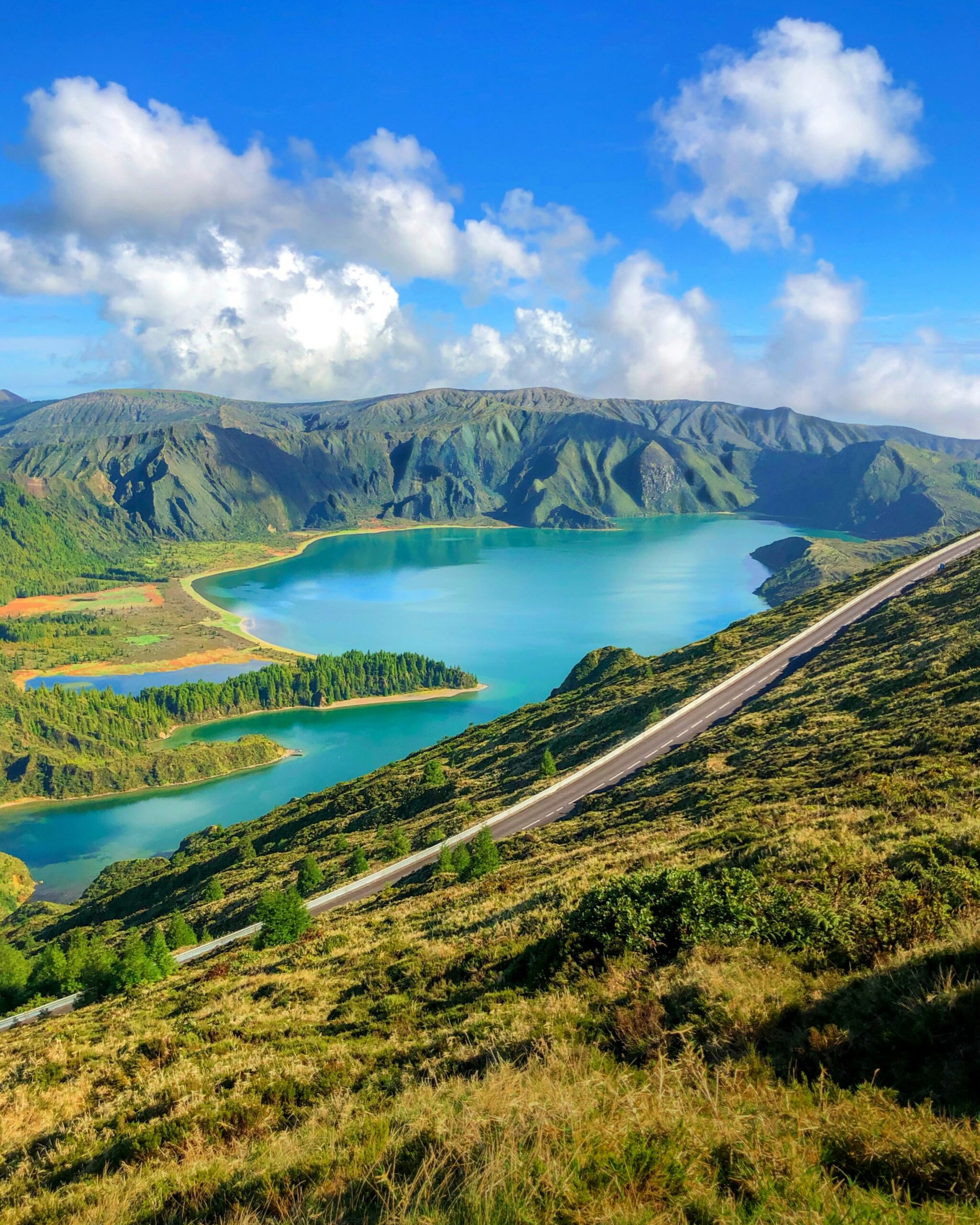
If you want to know what genuinely undiscovered cycling terrain looks like in Europe, the Azores are a strong answer. This remote Portuguese archipelago in the mid-Atlantic offers volcanic mountains, crater lakes, and lush green landscapes found nowhere else on our roster, with a level of solitude on the road that’s become increasingly rare across the rest of Europe.
What Makes the Azores Different
Unlike the sun-baked Mediterranean character of most of our island destinations, the Azores are genuinely green year-round, shaped by an Atlantic climate that keeps the volcanic landscape lush rather than dry — closer in feel to Ireland’s wild character than to Mallorca or Sardinia, but with proper volcanic mountain terrain layered on top.
The Islands
The archipelago spans nine islands, with São Miguel, the largest, offering the most developed cycling infrastructure and terrain, including climbs around the dramatic Sete Cidades twin crater lakes and the volcanic Furnas valley, famous for its natural hot springs and geothermal cooking pits.
The Terrain
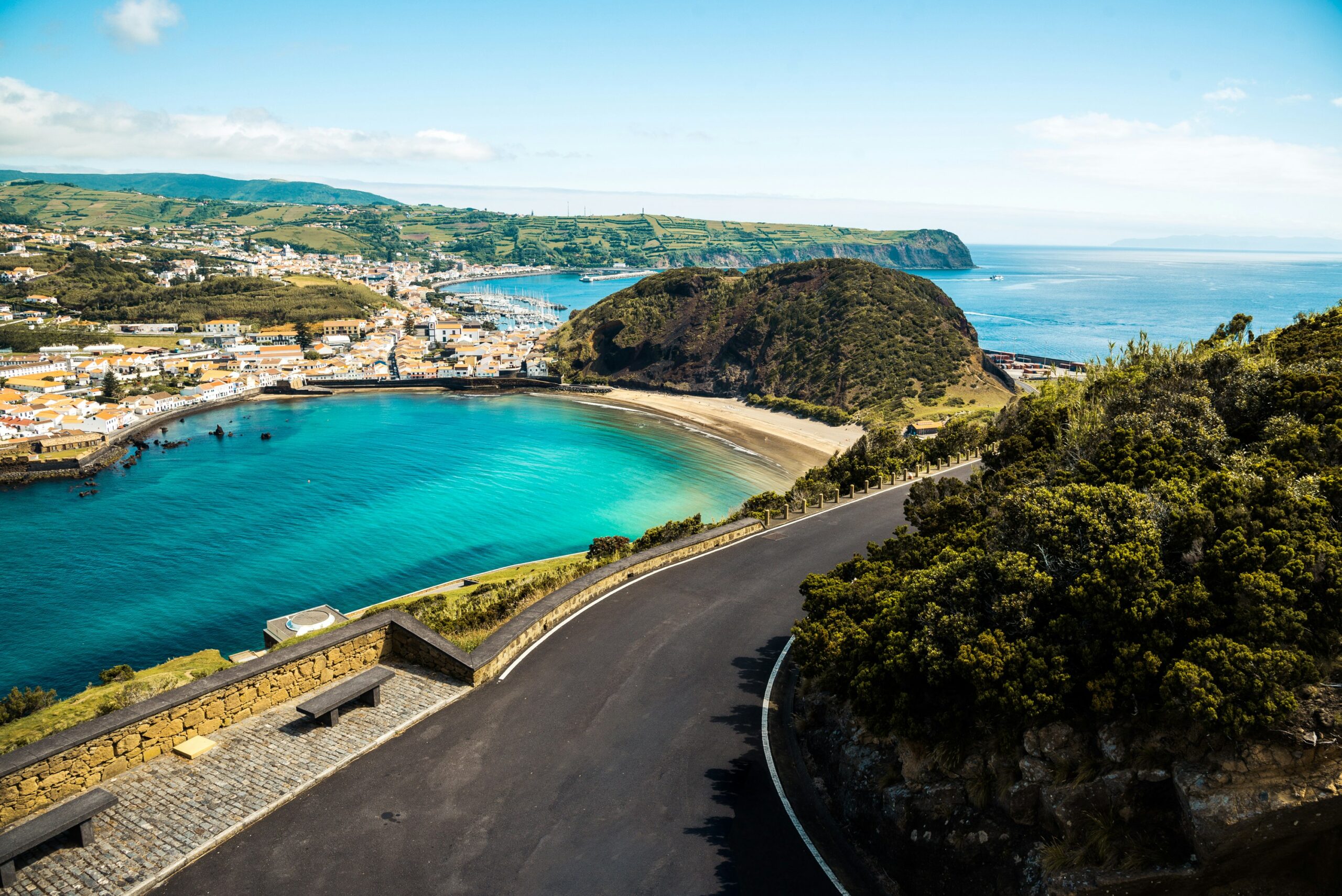
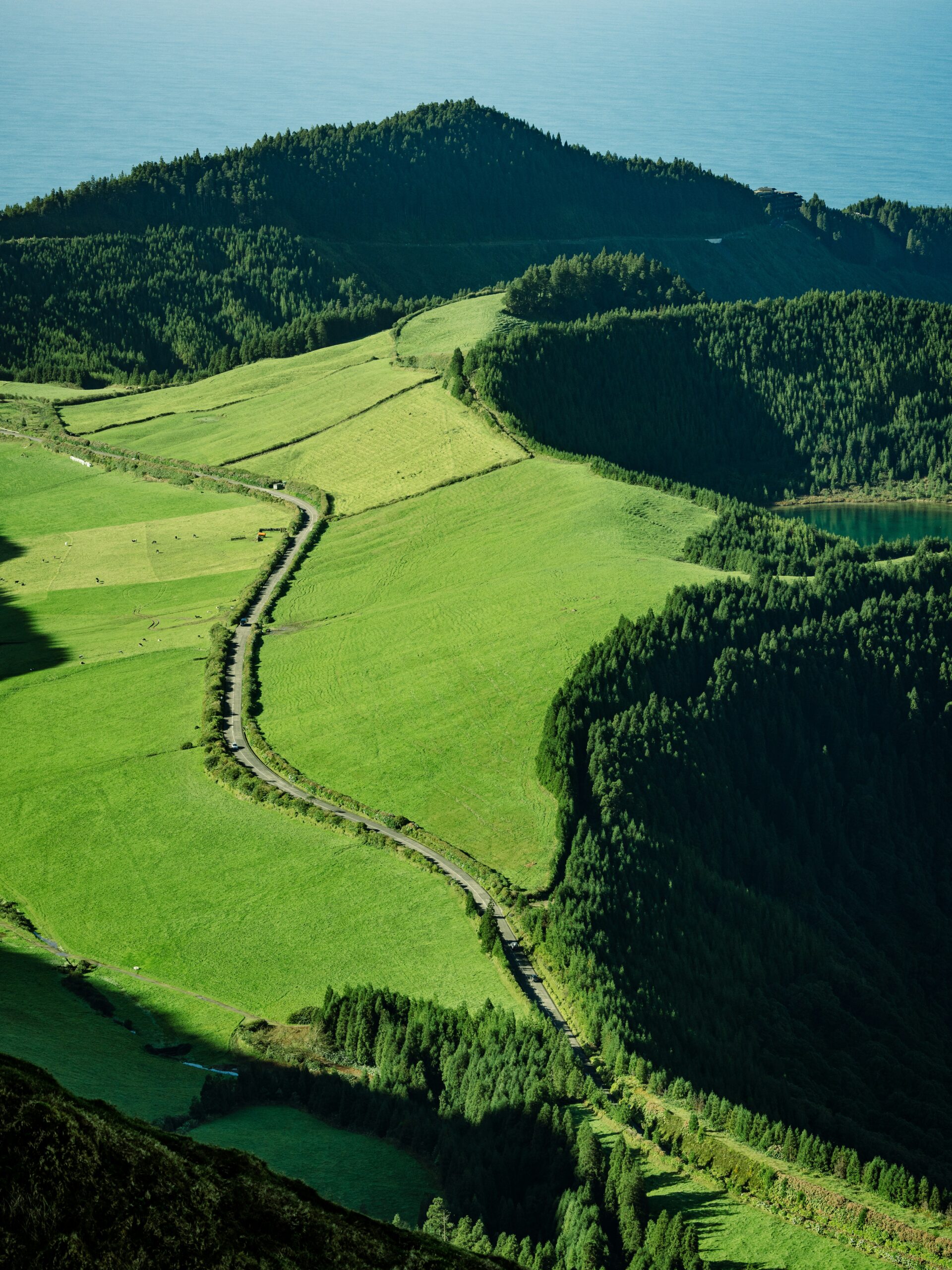
Riding here means genuine climbing through volcanic landscape — winding roads through dense, humid forest, past crater lakes, and along dramatic coastal cliffs, all on an island small enough to feel intimate but varied enough that no two days look alike.
Weather Considerations
The Azores’ Atlantic position means changeable weather similar in character to Ireland — mild temperatures year-round, but genuine rain is common regardless of season, and packing for variable conditions matters more here than in our drier Mediterranean destinations.
Why This Appeals to Adventurous Riders
The Azores suit cyclists who’ve done the more established European destinations and want somewhere genuinely different — fewer other visiting cyclists, a distinct volcanic landscape, and a slower, more remote island pace of life than almost anywhere else in Portugal or the wider Atlantic.
Best Time to Ride
May through September offers the most reliable conditions, though “reliable” here still means packing for rain — the islands’ mild, humid Atlantic climate doesn’t follow the same dry-summer pattern as mainland Portugal or the Mediterranean.
How This Fits Into a Cigala Cycling Tour
The Azores represent one of our more adventurous, off-the-beaten-path additions, offering genuinely unique volcanic scenery and a level of solitude on the road that’s increasingly hard to find in more established European cycling destinations.
If you’d like an itinerary focused on São Miguel or want to explore multiple islands within the archipelago, we’re also happy to design a fully custom tour around the Azores for your group.
Frequently Asked Questions
How does the Azores’ climate compare to mainland Portugal or the Algarve?
Considerably wetter and greener year-round, closer in character to Ireland’s Atlantic climate than the Algarve’s dry Mediterranean-adjacent conditions.
Which Azores island is best for a first cycling visit?
São Miguel, the largest and most developed island, offers the widest range of established cycling terrain and infrastructure for a first trip to the archipelago.
Is this a good destination for riders seeking quiet, less-crowded roads?
Very much so — this is one of the Azores’ defining appeals, with considerably less cycling tourism traffic than almost any other destination in our portfolio.
Do I need to pack differently for the Azores than for Mediterranean destinations?
Yes — pack for genuine rain regardless of season, similar to preparation for our Ireland tour, rather than assuming consistently dry Mediterranean-style weather.
— Matteo Cigala
Former European Gran Fondo Champion, Vice World Gran Fondo & Gravel Champion, Italian Gravel Champion, Coach & Tours Director of Cigala Cycling Tours