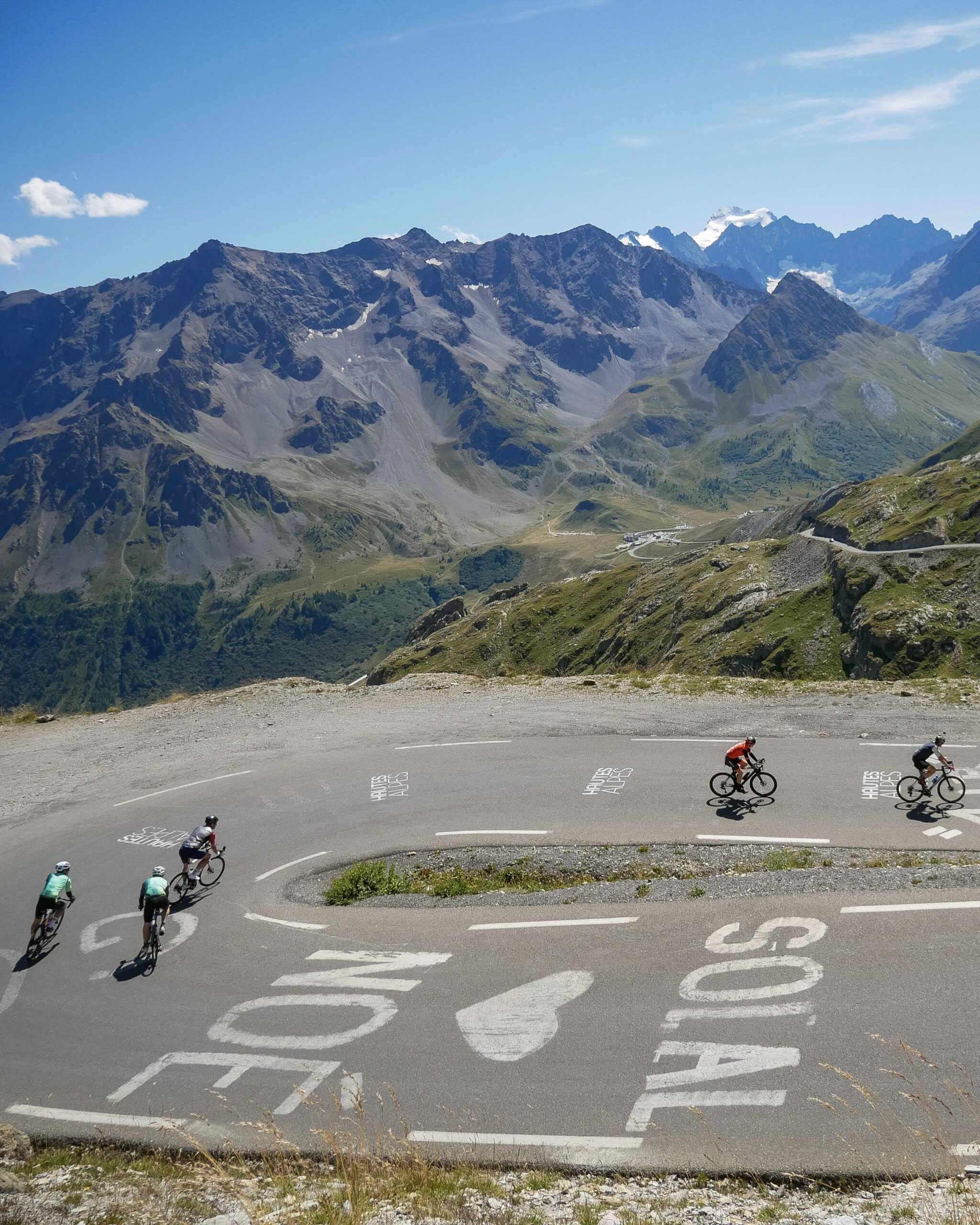
France is the birthplace of the Tour de France, and it shows in the riding — nearly every major mountain region here carries genuine racing history, often more concentrated and better signposted (literally, with painted road markers on the most famous climbs) than anywhere else in Europe. Here’s how the country breaks down for cycling purposes.
The French Alps
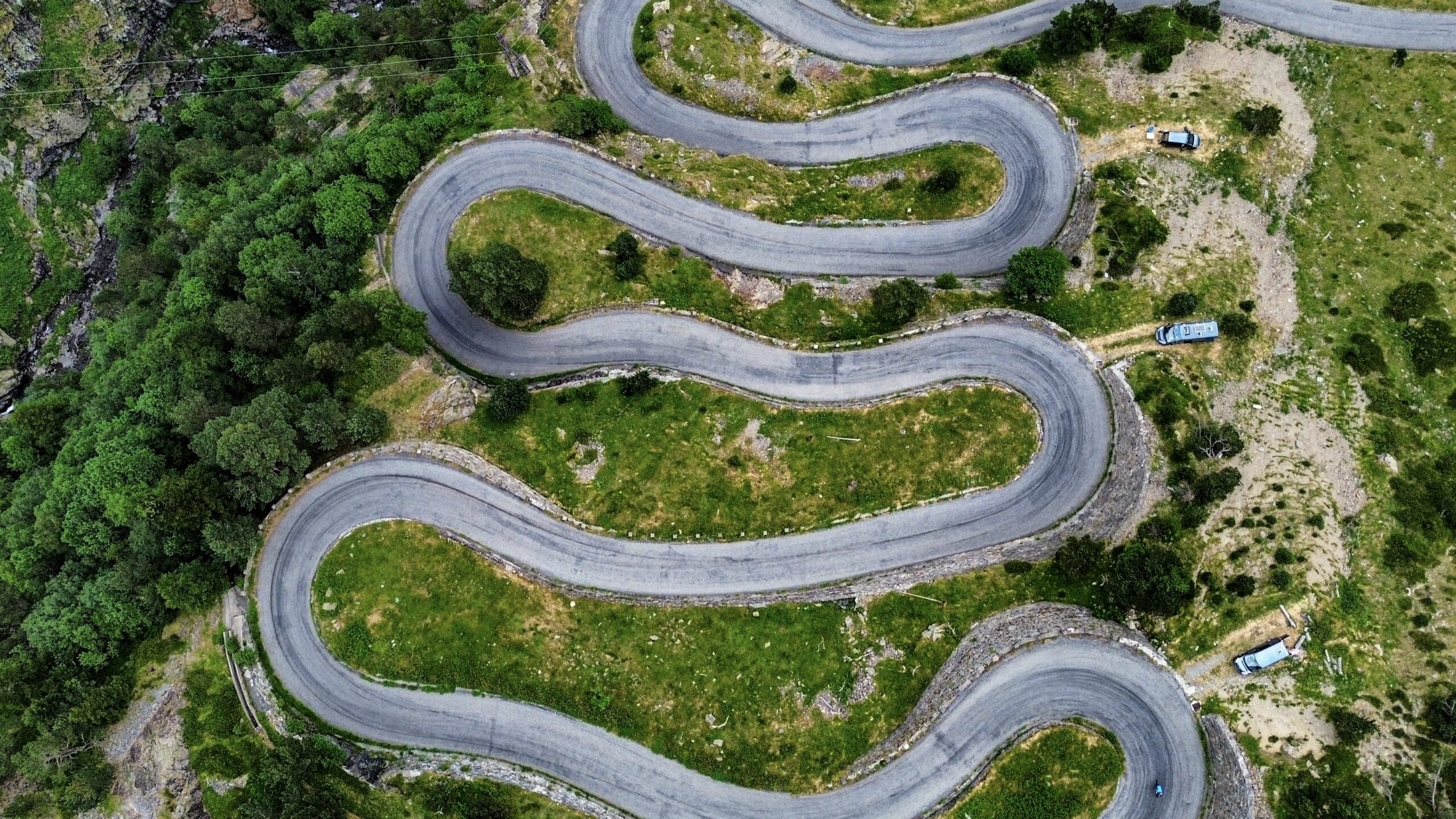
This is France’s headline cycling region, and rightly so — home to some of the most famous climbs in the sport. Alpe d’Huez, with its 21 numbered hairpins each bearing a stage winner’s name, is covered in full in our Alpe d’Huez guide. The Col du Galibier, one of the highest and most frequently used Tour de France passes, gets its own detailed breakdown in our Galibier guide. Both are centerpiece climbs on our French Alps cycling tour, which bases you in the region for a week built around this kind of legendary climbing.
The Pyrenees
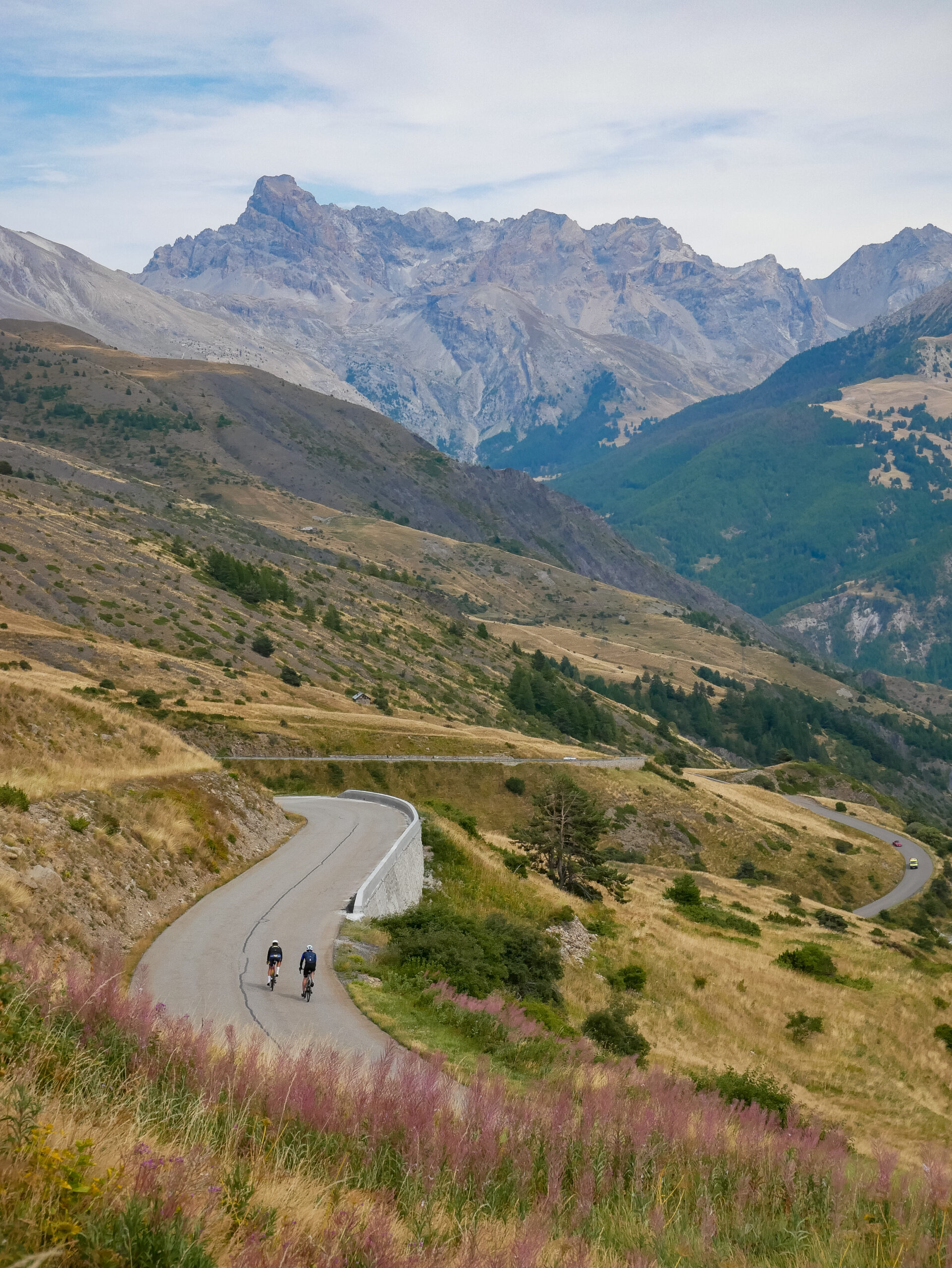
France’s other great mountain range runs along the Spanish border, offering a wilder, quieter character than the Alps — narrower roads, more livestock sharing the tarmac, and climbs like the Col du Tourmalet that carry just as much Tour de France pedigree as their Alpine counterparts. Our Pyrenees climbing guide breaks down routes by difficulty level, from the approachable Col d’Aspin to the demanding Col du Portet. For riders wanting the ultimate regional challenge, we also cover the Raid Pyrénées — the classic coast-to-coast traverse of the entire range — as a custom tour option within that same guide.
Corsica
Technically part of France, but culturally and geographically distinct enough to deserve its own mention — this Mediterranean island packs genuine high-mountain terrain, reaching over 2,700m at Monte Cinto, into a compact island setting where dramatic granite peaks drop almost directly into the sea. Full details in our Corsica guide.
How to Choose a French Region
If you want the single most concentrated dose of Tour de France history, the French Alps around Alpe d’Huez and the Galibier is the classic choice. If you’d prefer quieter roads with equally serious climbing, the Pyrenees is genuinely underrated by comparison. And if you want mountains and Mediterranean coastline in one place, Corsica is unlike anywhere else on our roster.
Best Time to Visit
Both the Alps and Pyrenees need the June-to-September window when high passes are clear of snow, with July and August being warmest but busiest. Corsica follows a similar pattern, though its lower-elevation coastal sections are rideable slightly earlier and later in the shoulder seasons.
How This Fits Into a Cigala Cycling Tour
Between our standard French Alps and Pyrenees tours and our custom Raid Alps and Raid Pyrénées options, we cover the full range of what French mountain cycling has to offer. If you’re weighing the Alps against the Pyrenees, or want to build a longer trip linking multiple French regions, we’re happy to design a fully custom tour around it.
Frequently Asked Questions
Which is harder, the French Alps or the Pyrenees?
Broadly comparable in overall difficulty — the Alps tend to have the highest single passes, while the Pyrenees’ climbs are often just as demanding due to their steepness and length, with a wilder, less-manicured character.
Is Corsica considered part of “mainland” French cycling culture?
Geographically it’s an island in the Mediterranean, but administratively and culturally it’s French, while maintaining a strong distinct regional identity and language of its own.
Can I ride both the Alps and the Pyrenees on one trip?
Not within a single standard week given the distance between them, but a custom itinerary can link the two regions if your timeframe allows, or you could visit each on separate trips.
What’s the single most famous French climb to put on a cycling bucket list?
Alpe d’Huez is the most internationally recognized, thanks to its numbered hairpins and frequent Tour de France mountaintop finishes, though the Galibier and Tourmalet both have equally strong claims among serious cyclists.
— Matteo Cigala
Former European Gran Fondo Champion, Vice World Gran Fondo & Gravel Champion, Italian Gravel Champion, Coach & Tours Director of Cigala Cycling Tours