Spain has quietly become one of European cycling’s most important countries — not just for racing, but for where professional riders actually train and, in a lot of cases, live. Here’s how the country’s cycling geography breaks down.
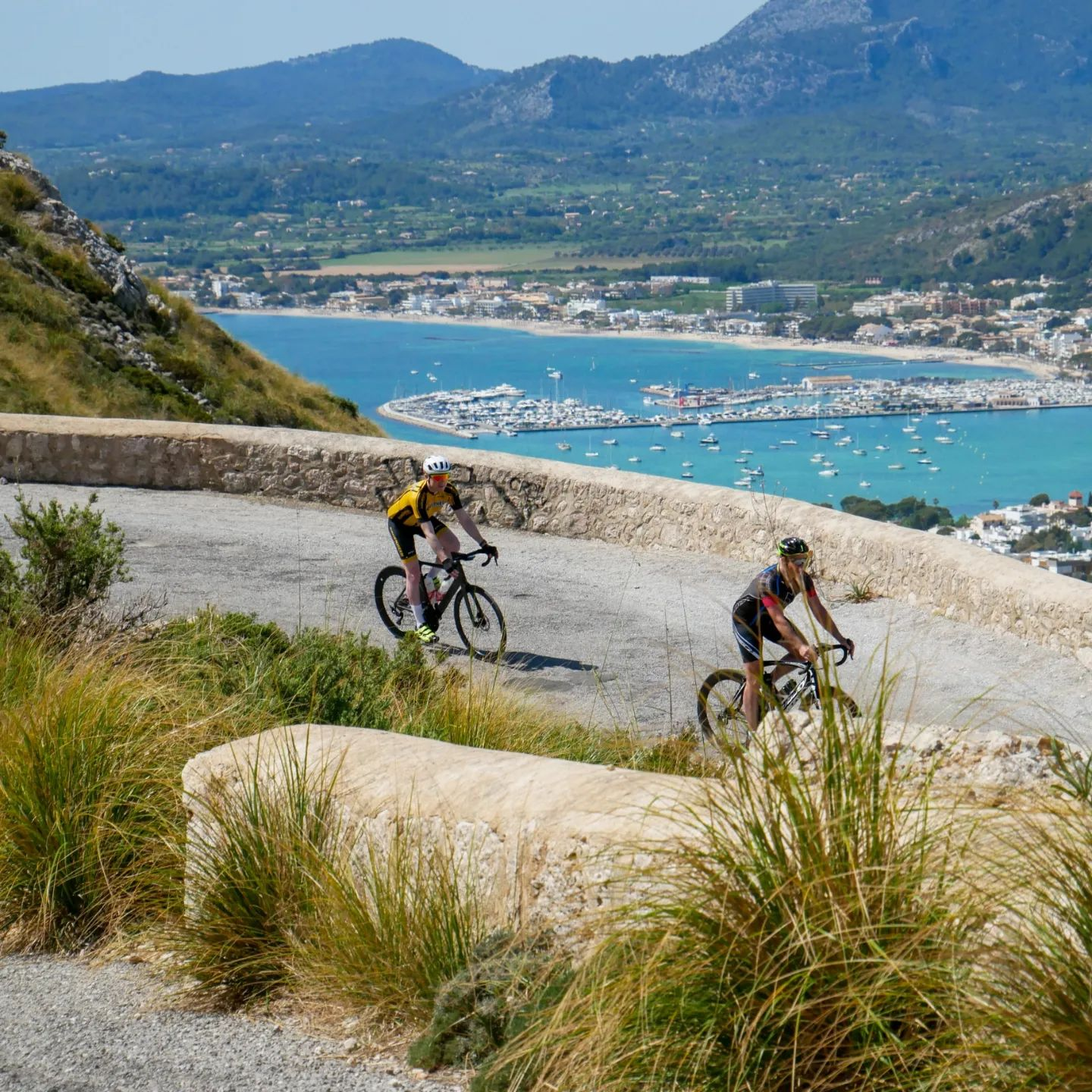
Mallorca
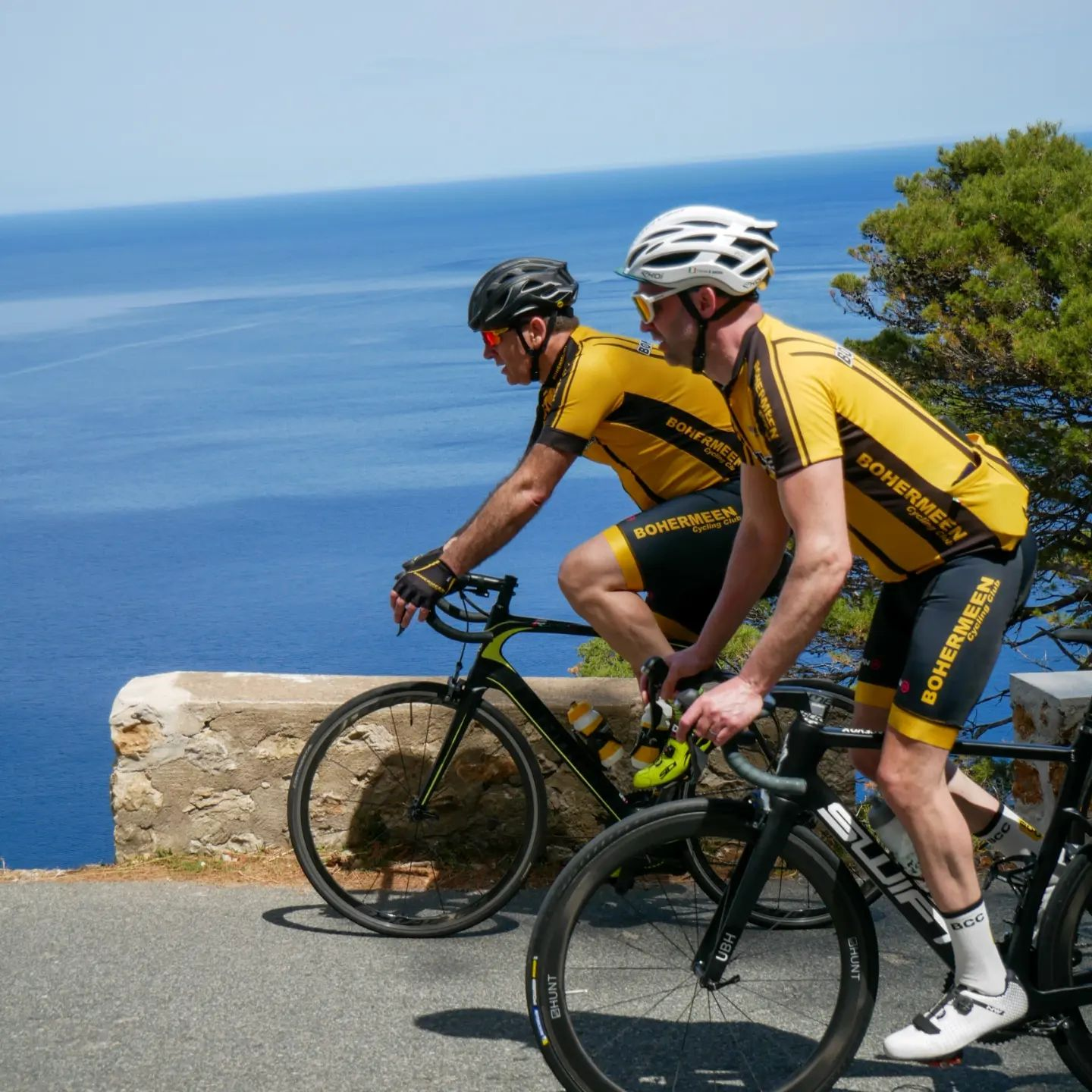
The original winter training-camp island, Mallorca combines genuinely serious mountain climbing in the Serra de Tramuntana range with reliably mild off-season weather that draws professional teams every winter and spring. The famous Sa Calobra climb, with its 270-degree “tie knot” hairpin, and the longer Puig Major are both covered in our Mallorca guide.
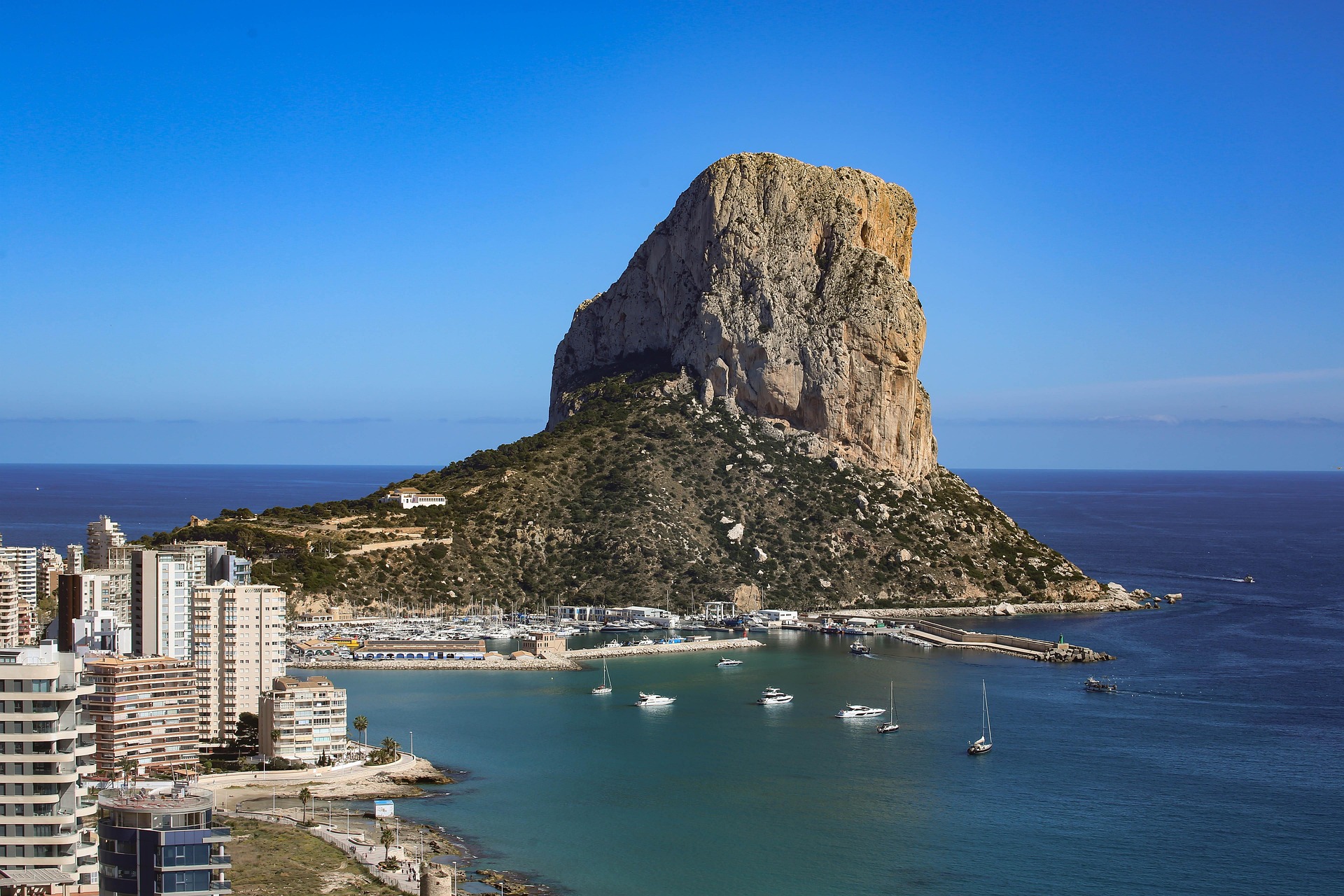
The Costa Blanca (Calpe)
Mainland Spain’s answer to Mallorca, the Costa Blanca around Calpe offers similarly mild winter weather and genuine climbing, centered on the popular Coll de Rates, but with more extensive inland terrain than an island setting allows and generally fewer other cyclists on the roads. Full details in our Calpe guide.
Girona
Less a training-camp destination and more the adopted home of professional cycling itself — an extraordinary concentration of professional riders lives in and around this Catalan town, drawn by good weather, varied terrain, and genuine cycling culture built up over more than a decade. Our Girona guide covers the local climbs, the Costa Brava coastal option, and what makes the town’s cycling scene so distinctive.
Why Spain Works So Well for Winter and Shoulder-Season Riding
All three of these regions share a common thread — genuinely mild winter and early-spring weather that makes them natural complements to Alpine and Pyrenean destinations, which are closed under snow during exactly the months Spain is at its best. Building a season around Alpine summers and Spanish winters is a pattern a lot of our regular guests have settled into.
How the Three Regions Differ
Mallorca offers the most concentrated, internationally famous climbing within a compact island setting. Calpe trades some of that fame for more extensive mainland terrain and quieter roads. Girona offers the least singularly dramatic climbing of the three, but the richest cycling culture — café stops with actual professional riders, and a genuinely lived-in cycling town rather than a seasonal training destination.
Best Time to Visit
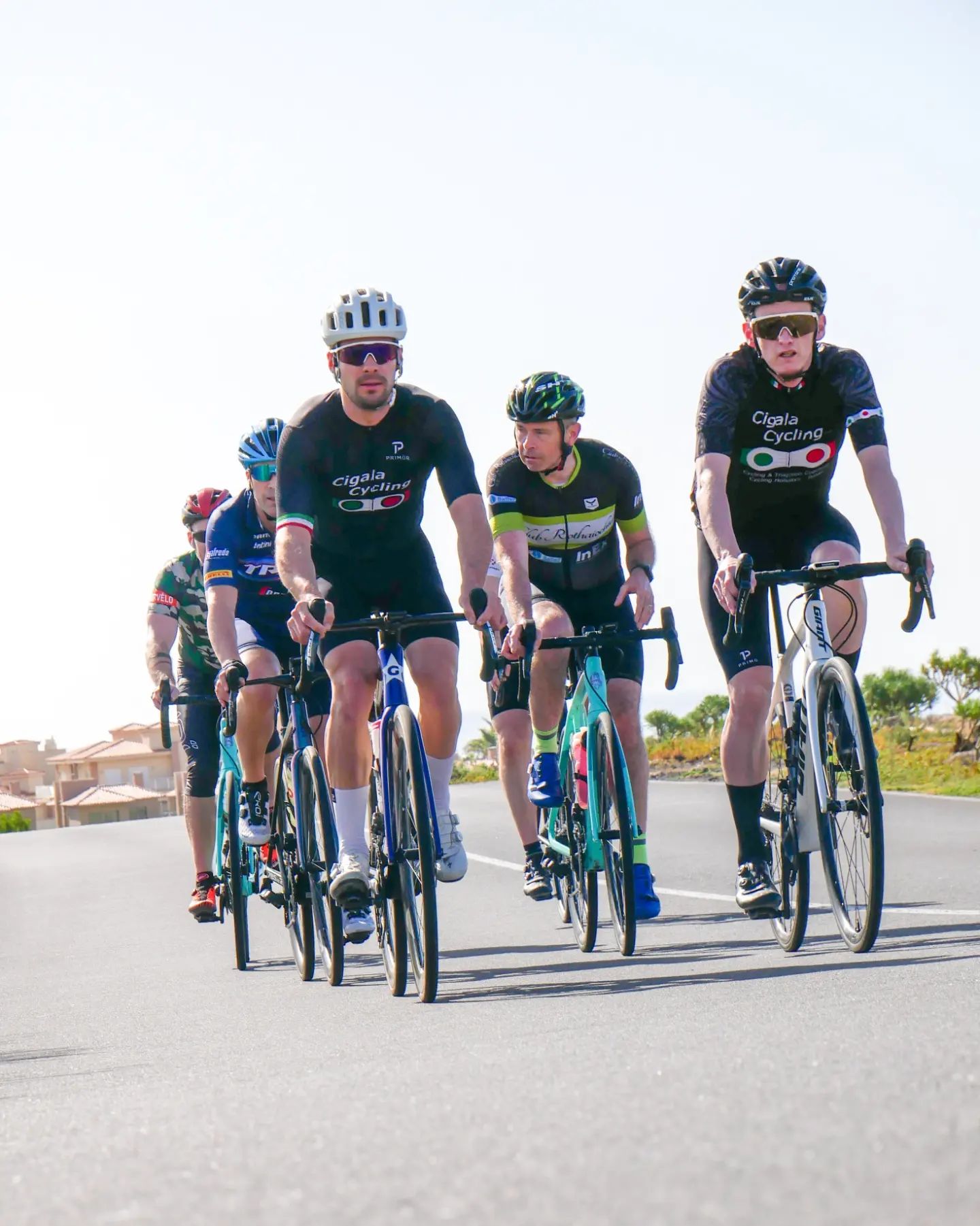
October through April across all three regions, avoiding the intense summer heat that makes serious climbing considerably less comfortable — this inverse seasonality compared to the Alps and Pyrenees is precisely what makes Spain such a valuable addition to a year-round cycling calendar.
How This Fits Into a Cigala Cycling Tour
Between Mallorca, Calpe, and Girona, we offer three genuinely different flavors of Spanish cycling, all suited to filling the winter and shoulder-season gap left by our higher-altitude destinations. If you’re deciding between them, or want to combine more than one region in a single trip, we’re happy to design a fully custom tour around it.
Frequently Asked Questions
Which Spanish region is best for a first winter training trip?
Mallorca is the most established and internationally recognized option, with the widest range of accommodation and cycling infrastructure built specifically around visiting training cyclists.
Is Girona worth visiting if I’m not chasing serious climbing?
Yes — its appeal is as much about atmosphere and terrain variety as pure climbing difficulty, making it a good fit for riders wanting a well-rounded trip over one built purely around a single famous climb.
Can I combine Mallorca and Girona in one trip?
Not easily within a single standard week given the travel between them, but a custom itinerary can link both if your schedule allows for a longer Spanish cycling trip.
Why do so many professional cyclists specifically live in Girona rather than training elsewhere?
A combination of good weather, varied terrain, a nearby international airport, and an early wave of resident professionals that snowballed into today’s concentrated cycling community — practical reasons more than any single dramatic climb.
— Matteo Cigala
Former European Gran Fondo Champion, Vice World Gran Fondo & Gravel Champion, Italian Gravel Champion, Coach & Tours Director of Cigala Cycling Tours