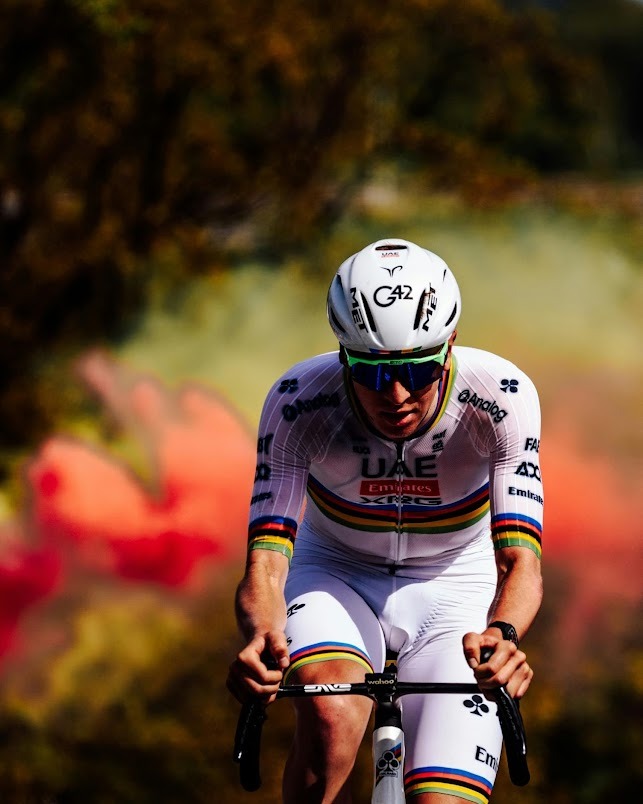
The Ronde van Vlaanderen is one of the five Monuments of cycling, and the roads it uses are open to you all year: short, savage climbs, rough cobbles and quiet farm lanes that link them together. If you want to ride the roads you have watched on television every spring, Flanders is the most direct way to do it.
This guide covers the climbs and cobbled sectors that matter, a classic loop around Oudenaarde, when to go, and the practical details that make a Flanders trip run smoothly.
Why ride Flanders
Three things set Flanders apart from the mountain regions:
- The Ronde is a living route. The climbs and cobbled sectors are public roads. You ride the same hills the pros race, in the same wheel tracks, often within a few kilometres of each other.
- Short, sharp effort. There are no 20 km passes here. The climbs are brief, steep and repeated, which makes Flanders a different kind of hard from the Alps or the Dolomites.
- Cycling culture everywhere. Cafés, museums and village squares are built around the sport. Race weekend in early April is among the best atmospheres in cycling.
The climbs that matter
Oude Kwaremont
The cobbled climb that defines the Ronde, and the one to ride first. It is around 2 km long with roughly 1.5 km of cobbles, and the gradient is moderate rather than brutal. The challenge is the surface: the stones shake you for minutes, so relax your grip, stay seated and keep your cadence smooth.
Paterberg
Short and ferocious. The Paterberg is only a few hundred metres, but it is steep from the first pedal stroke, with the cobbles at their most punishing near the top. Pick your gear before you reach the base, because there is no time to change halfway up.
Koppenberg
One of the most feared climbs in Belgium. Narrow, steep and cobbled, the Koppenberg is where a missed line or a rider stopping in front of you can end your climb. Ride it early in the day, when the road is clear, and keep your weight over the rear wheel.
Muur van Geraardsbergen
The Muur is a short cobbled ramp leading to a small chapel at the top, and one of the most iconic climbs in the sport. The reward at the summit is the view over the town and a place in cycling history.
A classic Flanders loop
A route most riders enjoy: start in Oudenaarde, link the Oude Kwaremont and Paterberg, add the Koppenberg and Taaienberg, then climb the Muur and return through the Flemish Ardennes. Depending on the variations you choose, this runs roughly 100 to 130 km with a cluster of short climbs and several cobbled sectors, which is a demanding day even for strong riders. For a gentler outing, ride a shorter loop of 60 to 70 km that takes in the Kwaremont and Paterberg only.
When to go
- Late March to early April: race season, with the Ronde itself in early April. The atmosphere is unmatched, but the weather is cold and changeable and accommodation fills up early.
- May to June: the best balance of mild temperatures, long days and quieter roads.
- July and August: warm and settled, with the lowest chance of rain on the cobbles.
- September and October: autumn colours and cooler air, with more wet days.
- November to February: possible on dry days, but expect cold, wind and slippery stones.
Practical tips
- Tyres: choose wider tyres, ideally 28 to 32 mm, and run them softer than you would on smooth tarmac. It makes the cobbles far more comfortable and more controlled.
- Weather: Flanders is flat and exposed. Wind and rain are normal, so carry a rain jacket even when the forecast looks good.
- Wet cobbles: treat them with respect. Brake before the stones, not on them, and avoid the polished edges and the gutter.
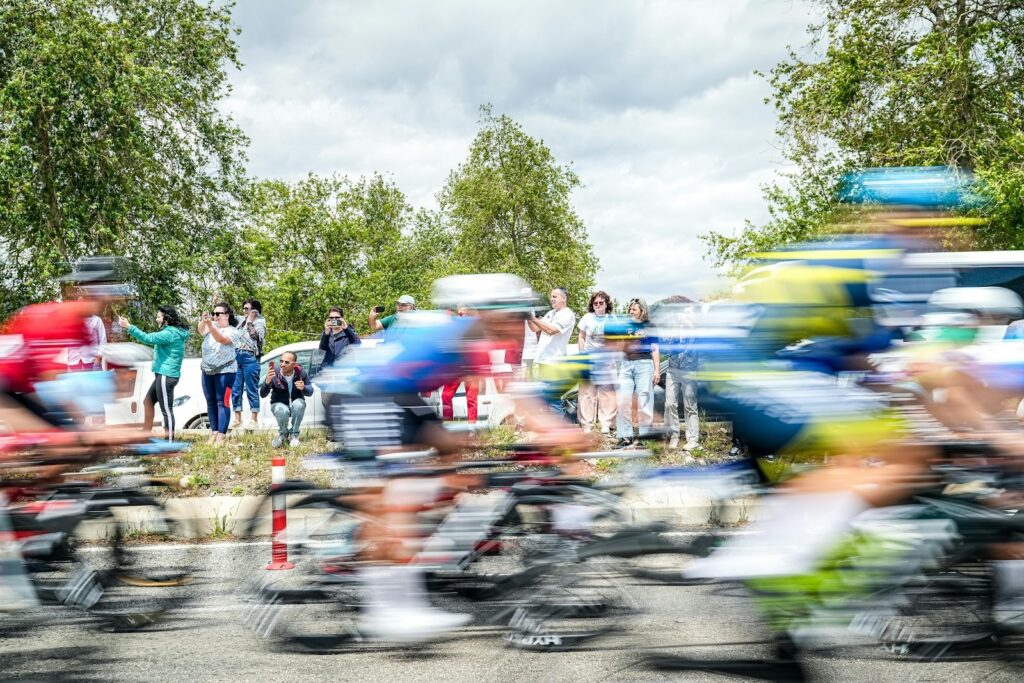
- Race weekend: the Ronde cyclosportive is held the day before the pro race. Roads and hotels are very busy, so book early.
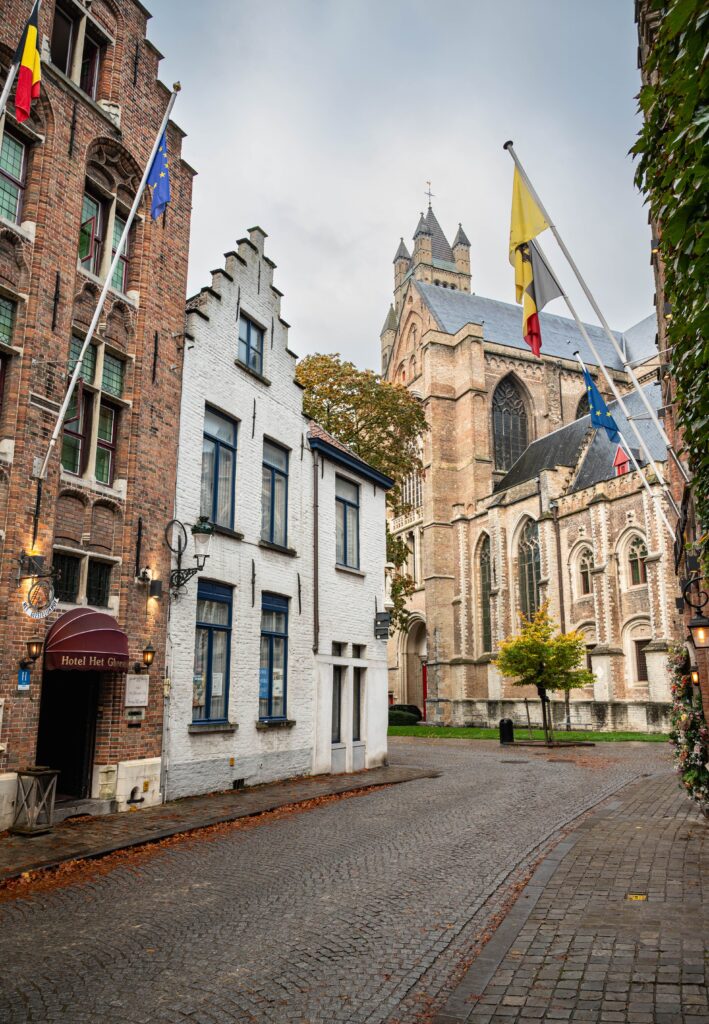
- Getting there: Brussels Airport is the closest major hub, and trains connect Brussels to Ghent in under an hour. Oudenaarde, Ghent and Bruges all make good bases.
- Don’t skip the museum: the Tour of Flanders Centre in Oudenaarde is worth an hour on a rest day.
How This Fits Into a Cigala Cycling Tour
The climbs and cobbled roads in this guide are the heart of our Tour of Flanders Experience, a 4-night, 5-day trip on Ronde weekend (1–5 April 2027). You ride the legendary climbs in the We Ride Flanders sportive, then watch the pros race the same roads the next day with premium race access. The route, hotel and support are organised for you.
Prefer to ride Flanders with your own club or friends? Talk to us about a custom tour and we will build it around your dates and fitness.
Frequently asked questions
Is Flanders good for cycling?
Yes. It combines famous climbs, cobbled sectors, racing history and a dense network of quiet roads, which makes it one of the most rewarding road cycling destinations in Europe.
How hard is the Oude Kwaremont?
It is long for a Flanders climb, but the gradient is moderate. The cobbles make it tiring rather than steep, and most fit riders can ride it comfortably at their own pace.
How hard are the Paterberg and Koppenberg?
Very hard. Both are short but steep, with rough cobbles, so they need low gearing, good balance and fresh legs.
What is the best month to cycle in Flanders?
May, June and September are usually the best, with comfortable temperatures. Early April is best if you want the Ronde atmosphere and can accept cold weather.
Related guides
- Cycling the Strade Bianche White Roads (Tuscany)
- Cycling Lake Como: Ghisallo, Sormano and the Giro di Lombardia Roads
- How to Prepare for a Cycling Holiday
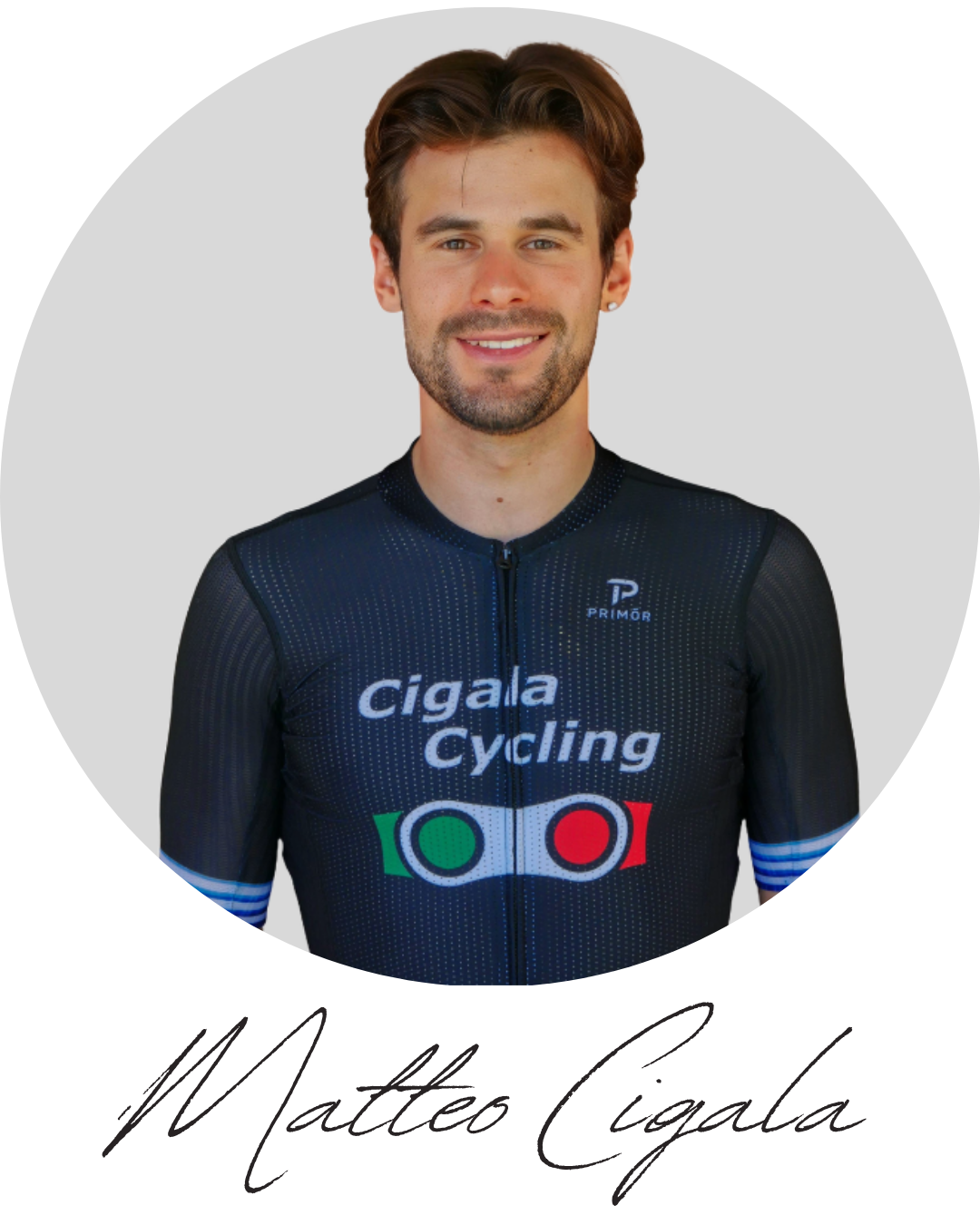
— Matteo Cigala
Former European Gran Fondo Champion, Vice World Gran Fondo & Gravel Champion, Italian Gravel Champion, Coach & Tours Director of Cigala Cycling Tours