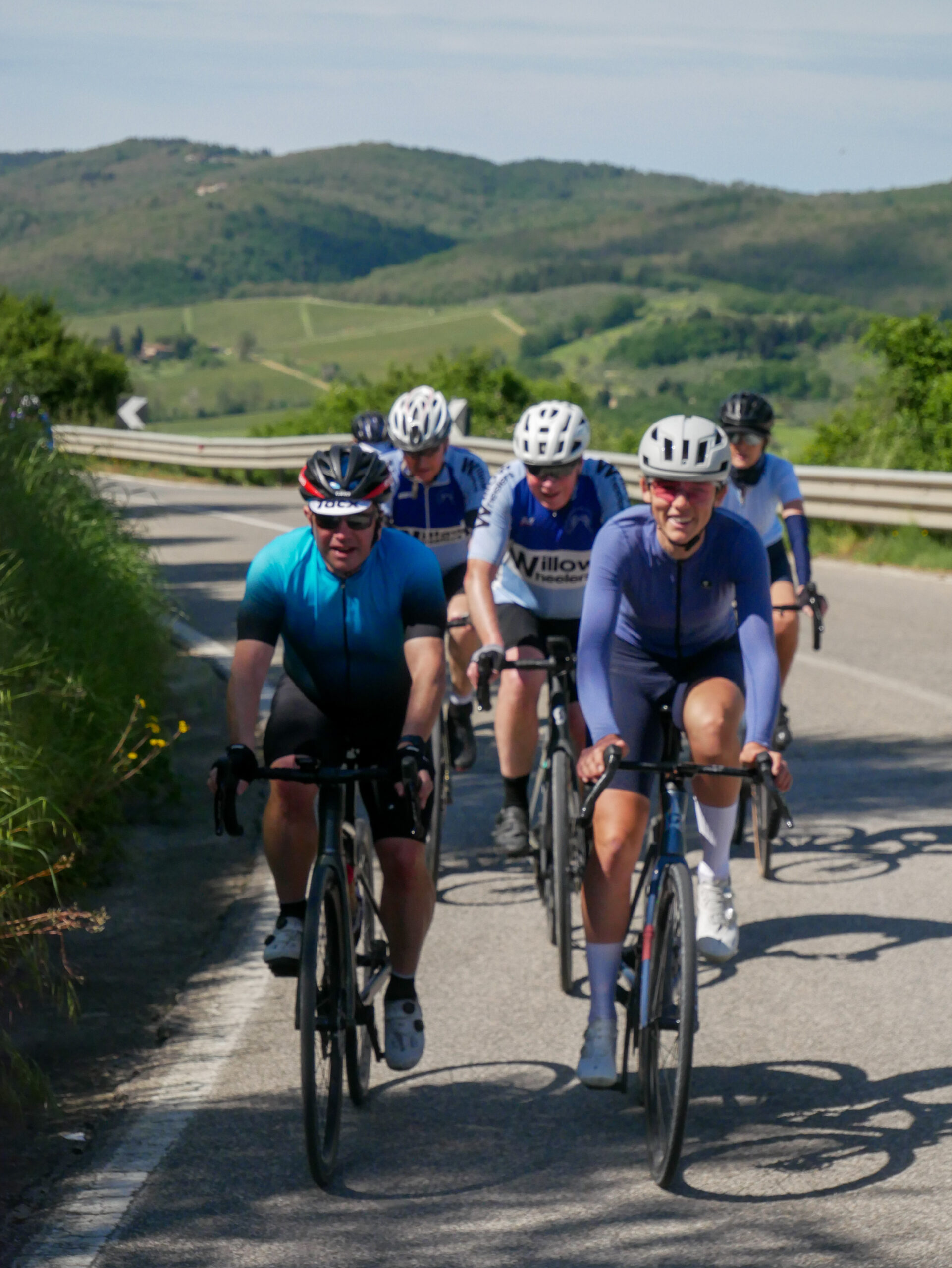
There’s something genuinely satisfying about a point-to-point journey that ends somewhere entirely different from where it began, and an Italy coast-to-coast crossing — from the Tyrrhenian Sea in the west to the Adriatic in the east, or vice versa — delivers exactly that, cutting through the country’s varied heart rather than looping back to a single base.
What This Route Actually Covers
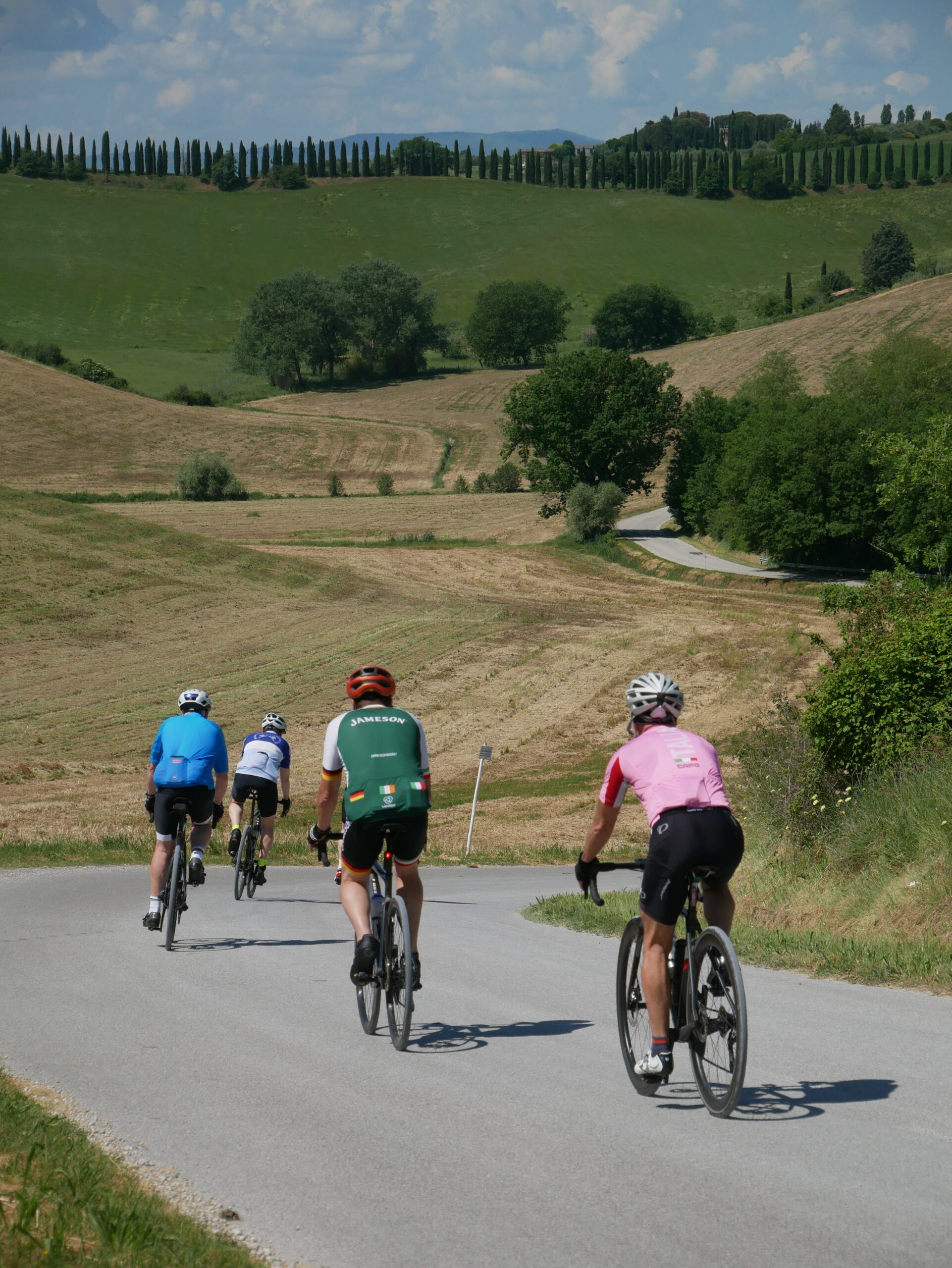
Unlike our region-specific tours, which explore outward from one base, the coast-to-coast concept is built around genuine point-to-point progression across Italy’s width, typically through the central regions where the peninsula narrows enough to make the crossing achievable over a realistic number of riding days. Depending on the exact route, this can pass through Tuscany, Umbria, or the Marche, crossing the spine of the Apennines somewhere along the way.
The Apennines Crossing
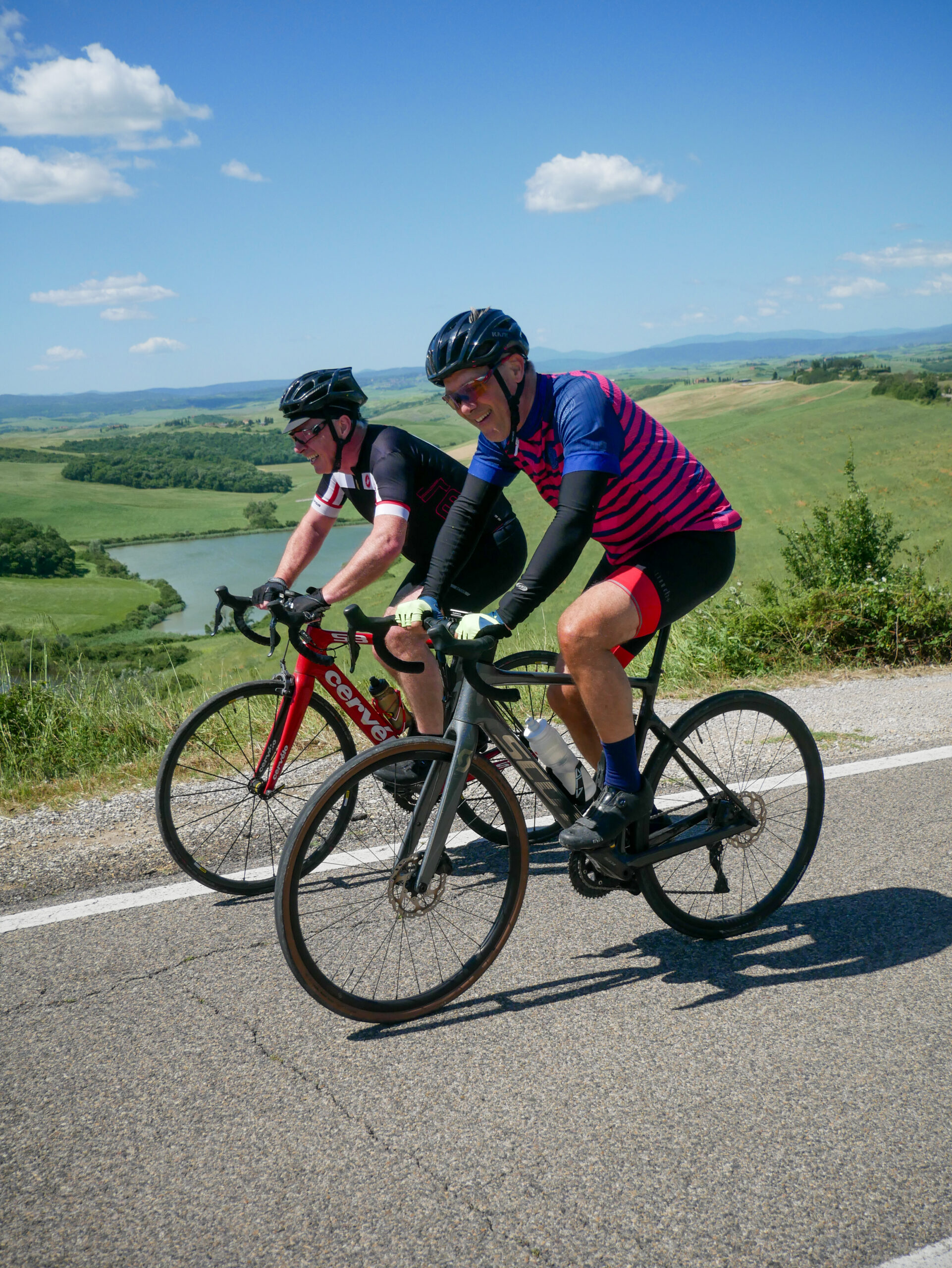
The central mountain range running the length of Italy, the Apennines are less internationally famous than the Alps but offer genuine, substantial climbing — generally not reaching Alpine altitudes, but with a wilder, less-touristed character and roads that see a fraction of the traffic found on comparable Alpine passes.
Why This Route Appeals
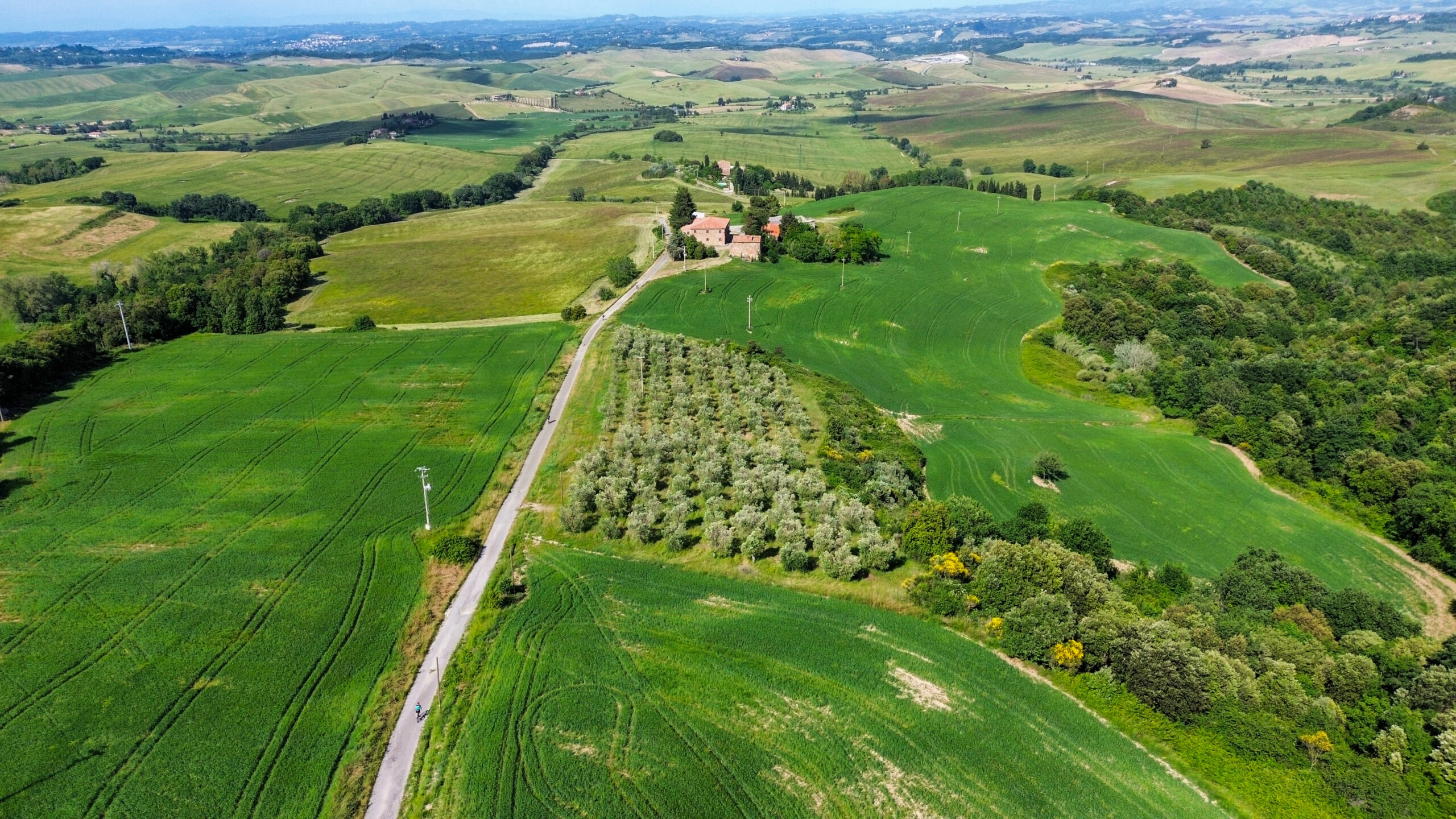
The variety is the point — coastal riding on both ends, genuine mountain crossing in the middle, and the cultural range of central Italy along the way, from hill towns to countryside vineyards to smaller cities rarely visited by international tourists compared to Italy’s more famous destinations. It’s a rare chance to see the country’s geography change meaningfully day by day rather than exploring a single region in depth.
Logistics of a Point-to-Point Route
Because you’re finishing somewhere entirely different from where you start, logistics matter more here than for a standard loop-based tour — support vehicle routing, luggage transfer, and return transport from the finish all need proper planning, which is exactly why this works best as a custom-built itinerary tailored to a group’s specific timeframe and starting/finishing preferences.
Best Time to Ride
Spring (April–June) and autumn (September–October) suit this route particularly well, avoiding both the crossing’s higher-altitude sections being snow-affected and the lower coastal and valley sections becoming uncomfortably hot in peak summer.
How This Fits Into a Cigala Cycling Tour
We have a specific Italy’s Coast to Coast trip running every year.
Also, an Italy coast-to-coast crossing is one of our signature custom-built itineraries, drawing on the same central Italian terrain we know well from our Tuscany routes but extending the concept into a genuine point-to-point journey across the country’s width.
Given the route’s flexibility in exact start and finish points, this is always designed as a fully custom tour around your group’s specific timeframe and preferences.
Frequently Asked Questions
How many days does a typical Italy coast-to-coast crossing take?
This varies by exact route and starting/finishing points, but most versions run 5-7 riding days to cross the peninsula’s width at a reasonable, enjoyable pace.
Does this route require serious mountain-climbing fitness?
The Apennines crossing is genuinely demanding but generally doesn’t reach the sustained high-altitude difficulty of an Alpine pass — a solid, fit recreational rider can manage it with reasonable preparation.
Which coast is the better starting point?
Either direction works well; the choice often comes down to travel logistics — which coast is more convenient to reach and depart from given your group’s travel plans.
Is this route available as a fixed departure, or always custom?
Always custom, given the number of possible starting and finishing point combinations and the logistics involved in a genuine point-to-point journey.
— Matteo Cigala
Former European Gran Fondo Champion, Vice World Gran Fondo & Gravel Champion, Italian Gravel Champion, Coach & Tours Director of Cigala Cycling Tours