
This is one of the first questions I get from anyone booking a trip, and the honest answer is: it depends entirely on the destination, not on which bike you personally prefer riding at home. Here’s a genuinely practical breakdown to help you decide, rather than a generic “it depends” that leaves you no better off.
The Core Difference That Actually Matters
Beyond tyre width, the real distinction between a road and gravel setup for touring purposes comes down to what surfaces you’ll actually encounter. A road bike, with narrower tyres and typically a more aggressive riding position, is more efficient on smooth tarmac over long distances. A gravel bike, with wider tyre clearance, slightly more relaxed geometry, and often a wider gear range, sacrifices a little pure road efficiency in exchange for genuine versatility across mixed surfaces.
When Road Wins
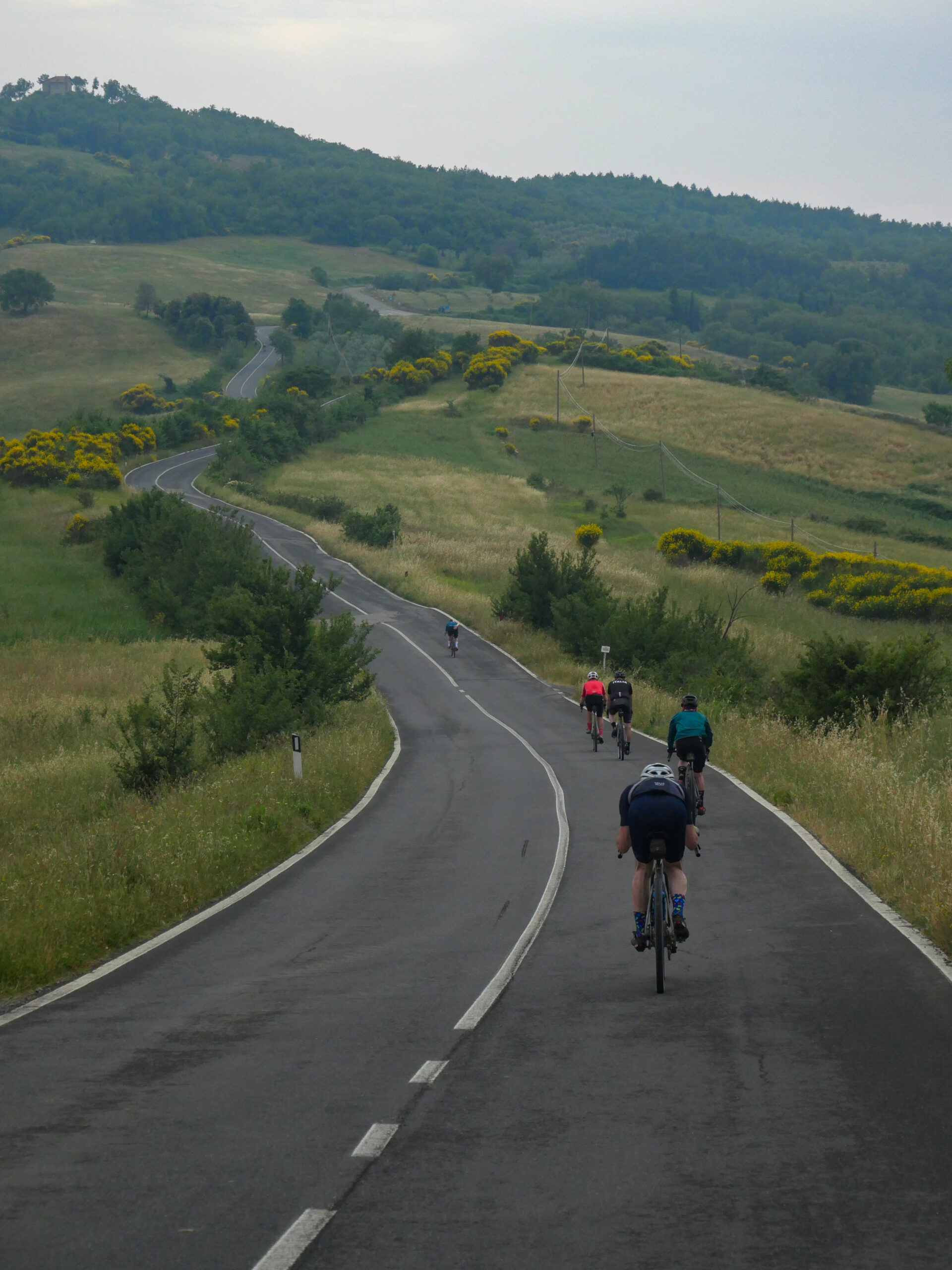
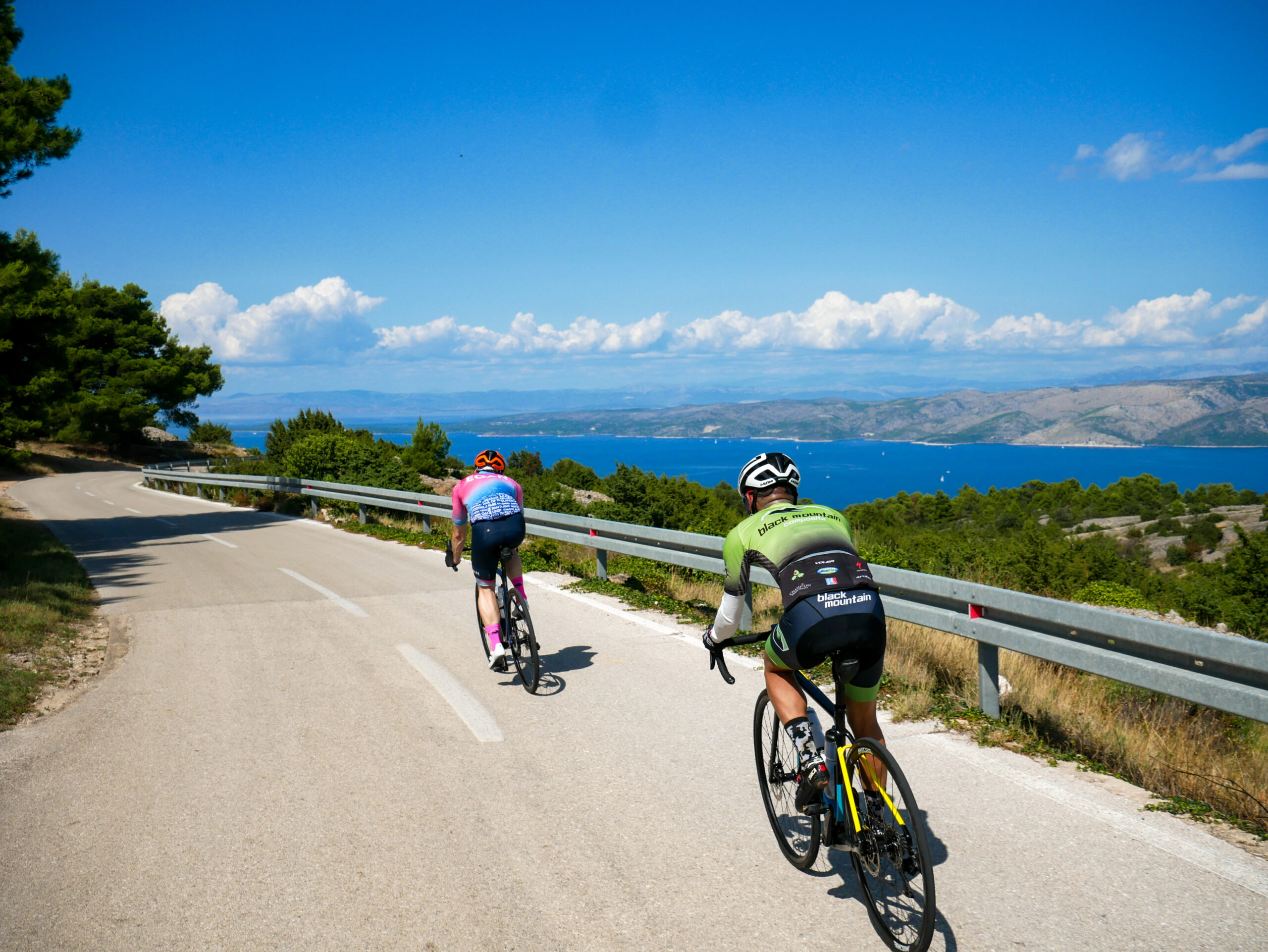
Destinations built around paved mountain passes and coastal roads — the Dolomites, French Alps, Pyrenees, Lake Garda, Lake Como, the Algarve, Croatia’s coastal routes — are almost entirely tarmac. A road bike here isn’t just fine, it’s genuinely the better tool: lighter, faster, and more efficient on long paved climbs where every extra gram and every watt of rolling resistance matters over multiple hours of sustained effort.
When Gravel Wins
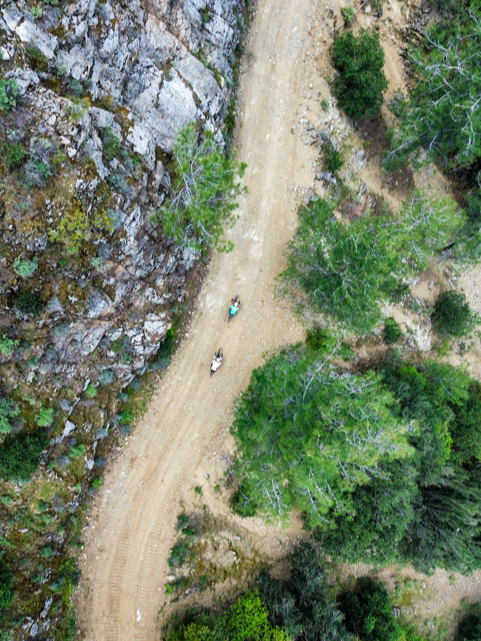
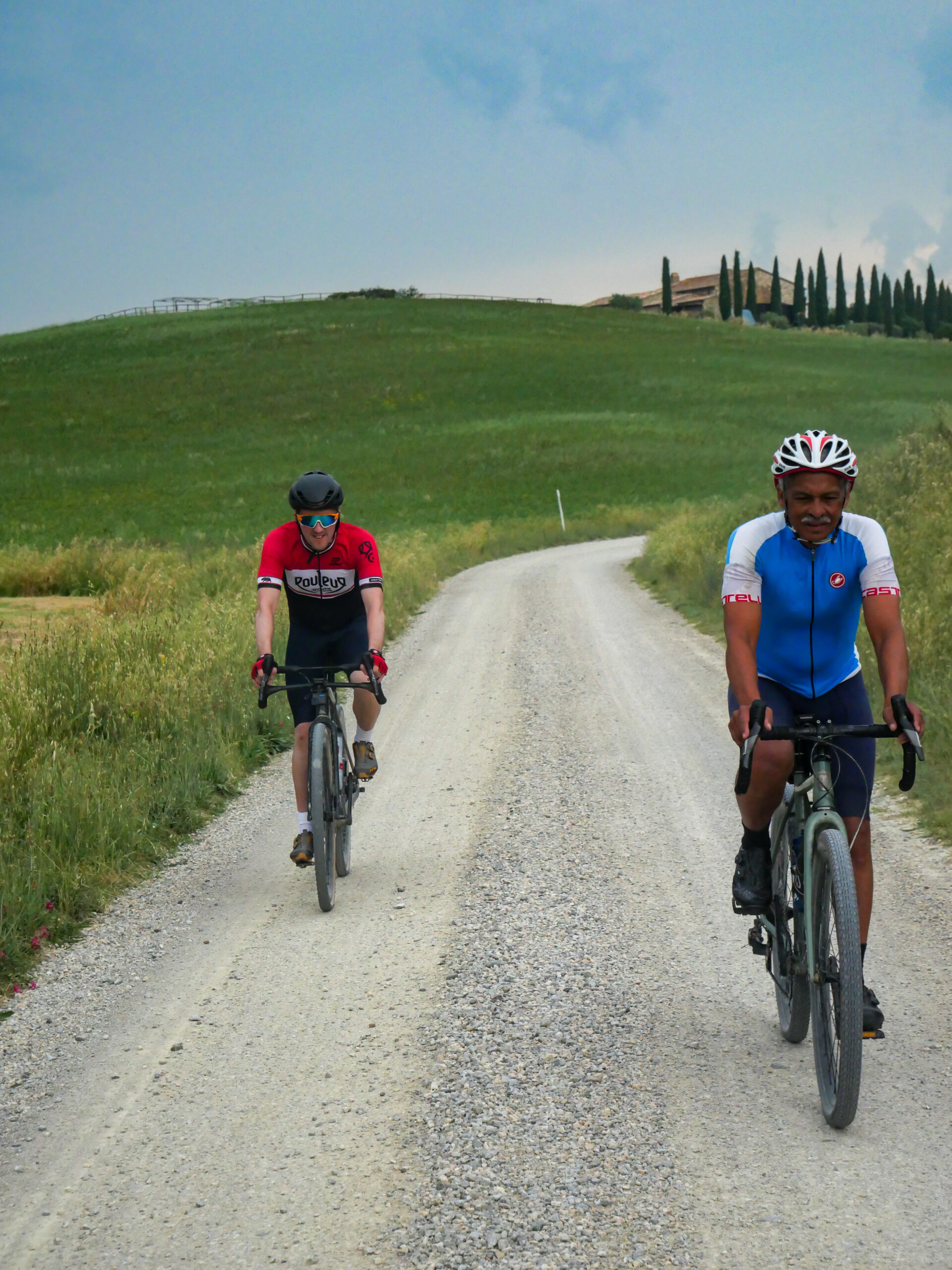
Tuscany’s strade bianche and parts of Cyprus’s Troodos mountains involve genuine unpaved sections — compacted white gravel roads or forestry tracks that a road bike can technically survive but won’t enjoy, and in some cases genuinely shouldn’t attempt without risking a pinch flat or worse on rougher stretches. A gravel bike with 35-40mm tyres opens up terrain a road bike simply can’t access comfortably, without meaningfully compromising your experience on the paved connecting sections these routes also include.
When It Genuinely Doesn’t Matter Much
For destinations like the Algarve or Lake Garda’s main lakeside loop, where road surfaces are consistently excellent and there’s no unpaved element to the standard route, the choice comes down more to personal comfort preference than any hard technical requirement — some riders simply prefer a gravel bike’s slightly more relaxed geometry for long touring days regardless of surface.
What If a Trip Mixes Both?
Some of our custom itineraries blend paved and gravel sections within a single region or even a single day’s route. In that case, a gravel bike with slightly narrower, faster-rolling tyres (32-35mm rather than a full 40mm+ off-road setup) is usually the better compromise — you lose a little efficiency on smooth tarmac compared to a dedicated road bike, but you gain the ability to ride everything on offer without stopping to change equipment.
Gearing Considerations Beyond Tyre Width
It’s not just about tyres. Gravel bikes typically come specced with a wider gear range as standard, which is genuinely useful on the steep, sustained climbs found in destinations like the Dolomites or Pyrenees, regardless of surface type. If you’re bringing your own road bike to a serious climbing destination, it’s worth checking your gearing includes a compact chainset (or even a sub-compact) paired with a wide-range cassette, since standard racing gearing can leave you badly under-geared on climbs like the Stelvio or Tourmalet.
Renting vs. Bringing Your Own
If your home bike is well set up and you’re comfortable traveling with it, bringing your own is often worth the airline hassle — nothing beats a bike you already trust, with your own saddle, your own fit, and no adjustment period needed. If you’d rather not deal with bike boxes, disassembly, and transport logistics, premium road and gravel rental is available on every one of our tours, professionally sized and set up before you arrive, removing the entire question from your travel planning.
A Quick Decision Framework
Ask yourself: does my chosen destination’s route include meaningful unpaved sections? If yes, bring or rent gravel. If the entire route is paved, road wins on pure efficiency, though a gravel bike remains a perfectly comfortable, if slightly slower, alternative if that’s what you already own and know well.
How This Fits Into a Cigala Cycling Tour
Every tour page lists whether the routes are road, gravel, or a mix — check the badge on each destination before booking, and if you’re unsure which bike suits a specific trip, just ask; matching the right bike to the right roads makes a bigger difference to your week than most riders expect, and it’s a conversation we have with nearly every guest before departure.
If your group has a specific mix of road and gravel riders, we’re also happy to design a fully custom tour that balances both.
Frequently Asked Questions
Can I ride a Dolomites or Alps tour on a gravel bike if that’s all I own?
Yes, entirely — you’ll simply be running slightly less efficient tyres on pure tarmac climbs, which most recreational riders won’t notice as a meaningful disadvantage over a touring-paced week.
Is a mountain bike ever appropriate for these tours?
Not recommended — the extra weight and less efficient tyre profile make mountain bikes a poor fit even for our gravel-focused destinations, which don’t require mountain-bike-level technical capability.
Do I need different pedals/cleats for gravel versus road tours?
Often yes — gravel-specific tours may use a two-bolt (SPD-style) cleat system for easier walking off the bike, versus the three-bolt road cleat system common on pure road tours. Check your specific tour’s rental specs if using rental pedals.
What tyre width would you personally recommend for a mixed-terrain custom tour?
35-38mm strikes the best balance for genuinely mixed routes — wide enough to handle moderate gravel comfortably, narrow enough to stay efficient on the paved connecting sections.
— Matteo Cigala
Former European Gran Fondo Champion, Vice World Gran Fondo & Gravel Champion, Italian Gravel Champion, Coach & Tours Director of Cigala Cycling Tours