
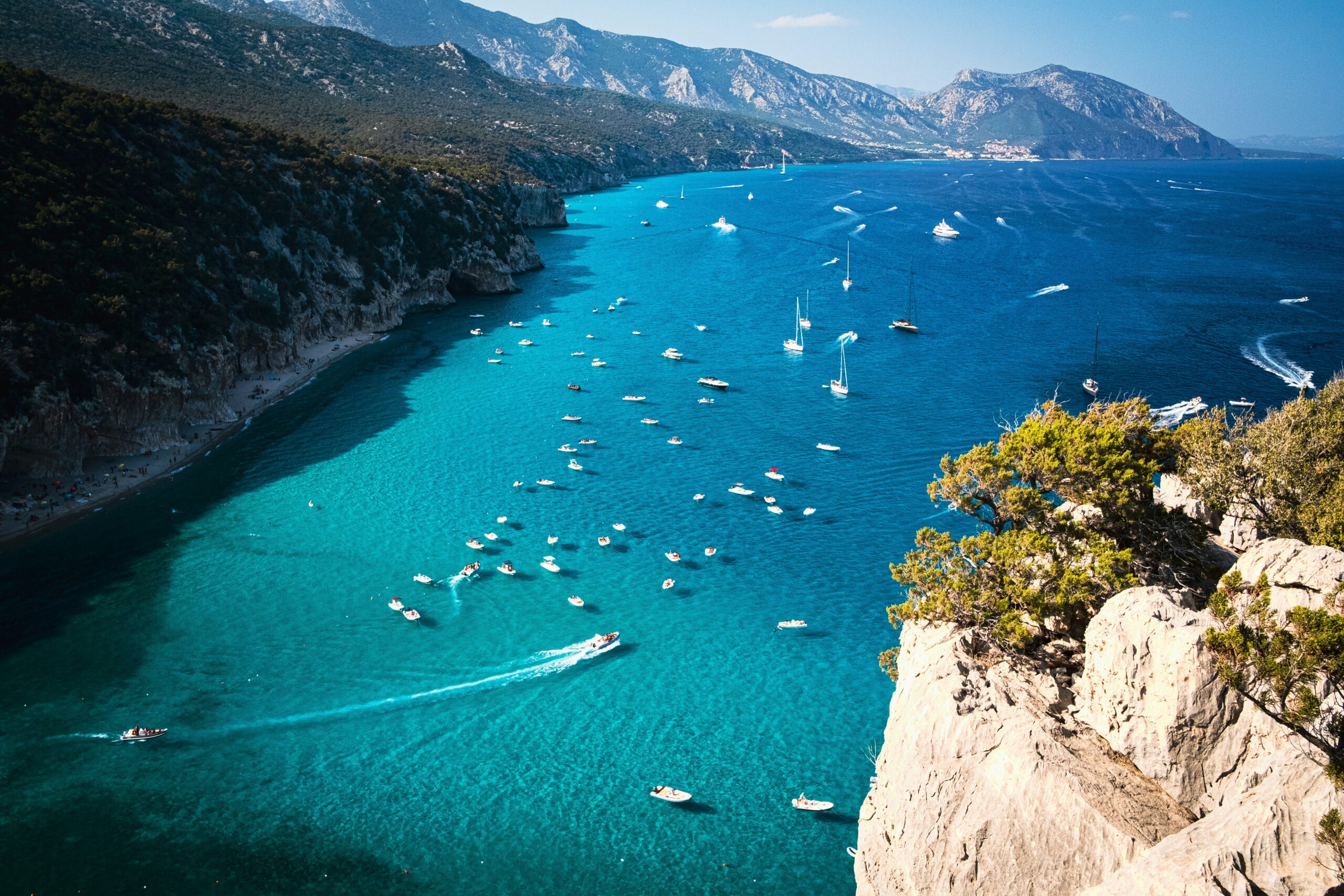
Sardinia offers a genuinely different character from mainland Italy, and even from its island neighbor Sicily — a wilder, more sparsely populated landscape of granite mountains, dramatic coastline, and a distinct local culture with its own language and traditions, all wrapped in some of the cleanest, quietest cycling roads in the Mediterranean.
What the Terrain Is Actually Like
Sardinia’s interior is genuinely mountainous in character, dominated by granite ranges like the Gennargentu massif, offering substantial climbing without ever quite reaching Alpine altitudes. The coastline, meanwhile, alternates between dramatic cliff sections, particularly along the eastern Ogliastra coast, and the wide, pale-sand beaches the island is famous for, especially around the northern Costa Smeralda.
Why Sardinia’s Roads Are So Quiet
Sardinia has a notably lower population density than mainland Italy, and its road network reflects this — long stretches with genuinely minimal traffic, even along scenic coastal sections that would be considerably busier in more developed parts of the Mediterranean. This is one of the island’s biggest draws for cyclists specifically seeking solitude alongside scenery.
The Granite Interior
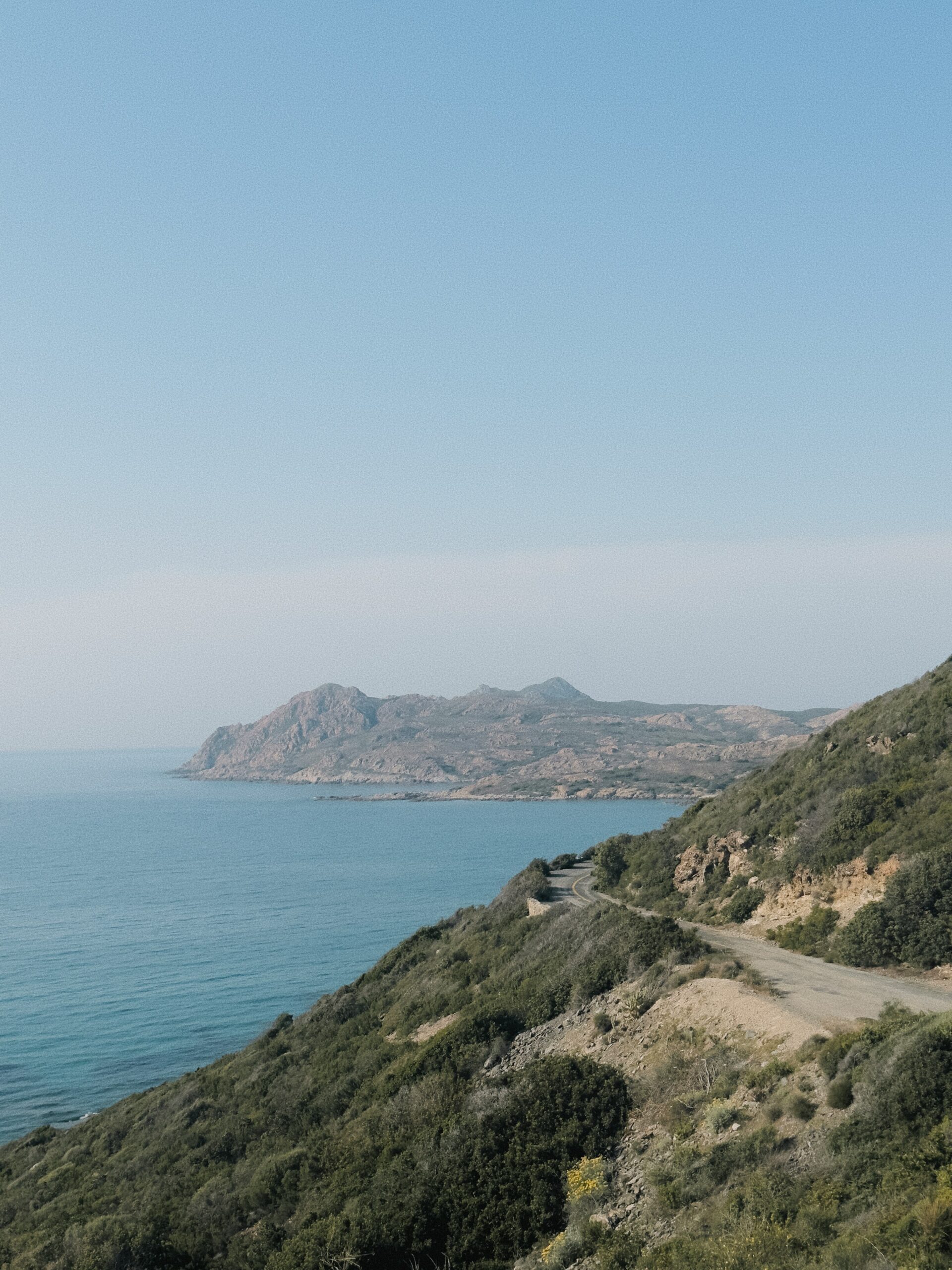
Away from the coast, Sardinia’s mountainous interior offers a genuinely different riding experience from its beach-resort reputation — winding roads through cork oak forest and exposed granite terrain, past small inland villages that see far fewer visitors than the coastal resorts, with a distinct Sardinian culture and cuisine that differs meaningfully from the rest of Italy.
The Coastline
Sardinia’s coastal roads offer some of the most photogenic riding in the Mediterranean — the Costa Smeralda in the northeast is the most internationally famous and developed stretch, while the Ogliastra coast further south and east offers dramatic limestone cliffs and considerably fewer crowds.
Gravel Riding in Sardinia
Sardinia is one of Europe’s hidden gems for gravel cycling. Beyond its quiet tarmac roads lies an extensive network of white gravel roads, forestry tracks, old shepherd trails, and historic mining routes that cross some of the island’s wildest landscapes.
Ride through cork oak forests, remote mountain plateaus, rugged coastal cliffs, and traditional villages where traffic is almost non-existent. From the Supramonte mountains to the Ogliastra region and the island’s spectacular southwest, Sardinia offers endless opportunities for gravel adventures that combine challenging riding with breathtaking scenery.
Whether you’re looking for smooth gravel routes suitable for all abilities or more demanding backcountry terrain, our custom tours can blend iconic road rides with unforgettable off-road exploration.
Best Time to Ride
Spring (April–June) and autumn (September–October) are ideal, avoiding both the intense summer heat and the peak tourist season that brings considerably heavier traffic to the most popular coastal roads, particularly around the Costa Smeralda in July and August.
Food and Culture
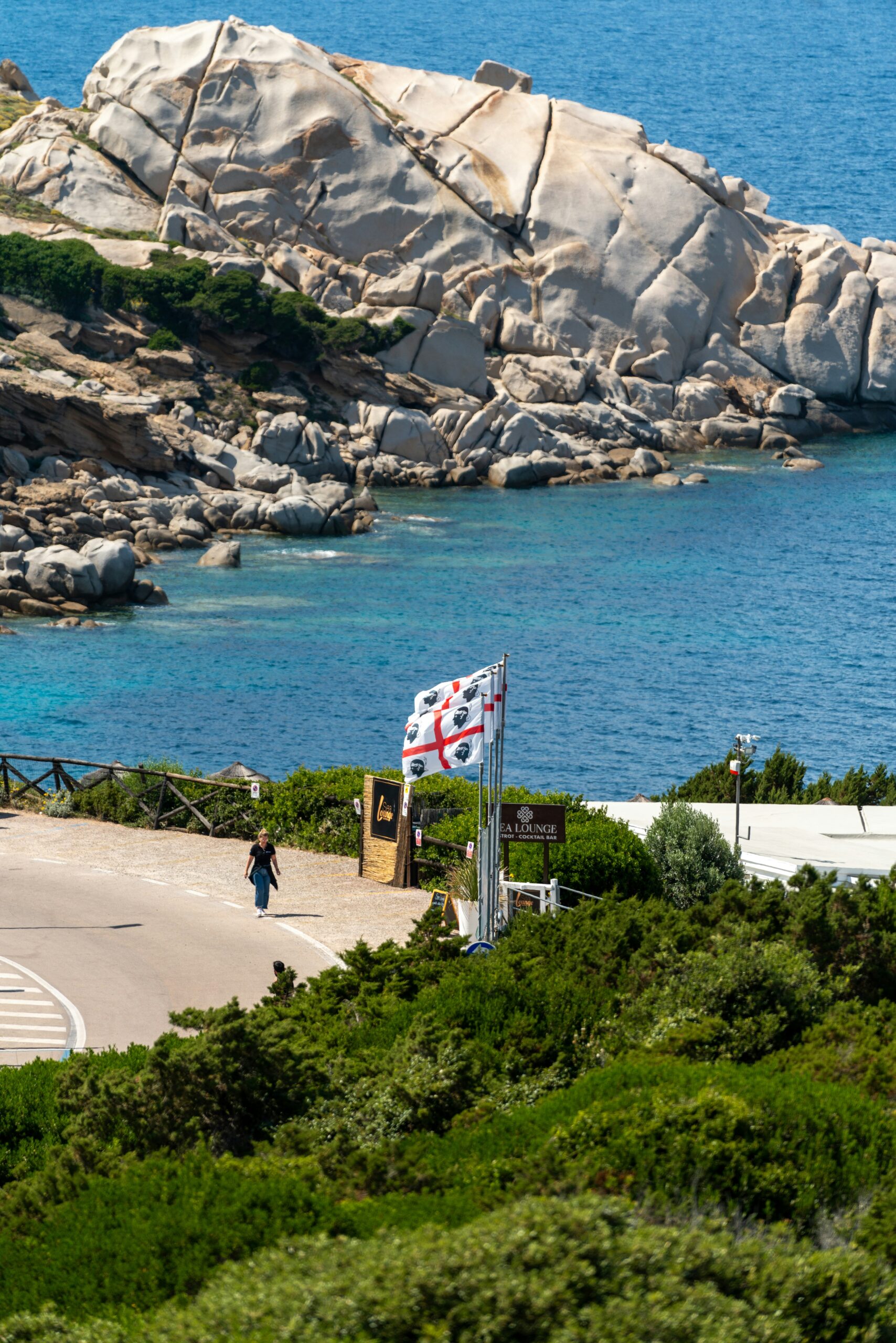
Sardinian cuisine and culture stand notably apart from mainland Italian traditions — distinct pasta shapes like malloreddus, unique cheeses including the famous (and famously pungent) casu marzu, and a language, Sardinian, considered by linguists to be one of the closest living relatives to Latin among Romance languages, a genuine point of local pride.
How This Fits Into a Cigala Cycling Tour
Sardinia offers a distinctive combination of genuine mountain climbing and dramatic, quiet coastal riding, appealing to cyclists wanting Mediterranean island scenery without the crowds found on some more internationally developed island destinations.
If you’d like an itinerary balanced toward the granite interior, the quieter Ogliastra coast, or a mix of both, or a multi-day gravel adventure we’re also happy to design a fully custom tour around Sardinia for your group.
Frequently Asked Questions
How does Sardinia’s climbing compare to the Alps or Sicily’s Etna?
Genuinely substantial but generally not reaching Alpine altitudes — the granite interior offers real, sustained climbing without quite the sheer scale of the highest Alpine passes.
Is Sardinia quieter than Sicily for cycling?
Generally yes — Sardinia’s lower population density and less internationally developed cycling-tourism profile mean quieter roads on average, particularly away from the busiest coastal resort areas.
What’s the best coast to ride — Costa Smeralda or Ogliastra?
Costa Smeralda is the more famous, developed option; Ogliastra offers dramatic scenery with considerably fewer crowds, making it the choice for riders prioritizing solitude over polish.
Is Sardinia good for gravel cycling?
Absolutely. Sardinia is one of Italy’s premier gravel destinations, offering hundreds of kilometres of white roads, forestry tracks, coastal trails, and mountain routes through some of the island’s most remote landscapes. Our custom tours can include everything from scenic gravel adventures to more challenging multi-day off-road rides.
Is Sardinian cuisine very different from the rest of Italy?
Yes, meaningfully so — distinct pasta shapes, cheeses, and a unique local language all mark Sardinia as culturally distinct within Italy, adding genuine variety for riders who’ve done other Italian tours.
— Matteo Cigala
Former European Gran Fondo Champion, Vice World Gran Fondo & Gravel Champion, Italian Gravel Champion, Coach & Tours Director of Cigala Cycling Tours