After a decade of guiding trips across Europe, I’ve seen every packing mistake there is — overpacked kit bags, forgotten gilets, saddles that didn’t survive the flight. So here’s the list I actually give my own clients before they travel, organized by what genuinely matters versus what’s optional.
On-Bike Essentials
A helmet you already trust — most rental setups include helmets, but if you have strong preferences on fit, bringing your own removes one variable.
2–3 kits (jersey + shorts) — you’ll ride most days, and hotel laundry isn’t always reliable or same-day, especially in smaller towns. Two to three sets, rotated and hand-washed if needed, is genuinely enough for a week.
A packable rain jacket — even in the Mediterranean, mountain weather turns fast, and every destination we operate in has at least some route sections at meaningful altitude where conditions can shift within an hour.
Arm/leg warmers — mornings are colder than you expect, especially at altitude or in shoulder-season months, and warmers pack down small enough that there’s no real downside to bringing them even if you don’t end up needing them every day.
A gilet for descents — this is the single most under-packed item I see, and the one riders most often wish they’d brought after a cold descent leaves them shivering at the bottom of a climb.
Your own saddle (if riding a rental bike) — comfort is deeply personal, and this is the one component worth the minor hassle of packing and transferring, since an unfamiliar saddle is one of the fastest ways to turn a great week into an uncomfortable one.
Cycling sunglasses with interchangeable lenses for variable light, particularly useful moving between bright coastal roads and shaded mountain forest sections on the same day.
Off-Bike
- Comfortable walking shoes for evenings exploring towns — cycling shoes are not made for cobblestones, and most of our destinations have genuinely walkable historic centers worth exploring after a ride.
- A layer for cool evenings, even in summer, since mountain and coastal towns alike often cool down noticeably after sunset.
- A small day bag for anything you want on non-riding excursions or rest days.
- A swimsuit if your itinerary includes any lake or coastal destinations — Lake Garda, Lake Como, Croatia, and the Algarve all offer excellent post-ride swimming.
What NOT to Overpack
Most riders bring too many kits and not enough warm layers. Two to three sets of riding kit is genuinely enough for a week-long guided tour — you’re not racing, you’re touring, and hotel sinks exist. Similarly, riders often bring far more casual clothing than they end up wearing, since most evenings on a cycling tour are fairly low-key after a full day on the bike.
Travel Logistics
A charging cable/adapter appropriate to your destination country — obvious, but the most commonly forgotten item on any trip
Check your airline’s bike/luggage policy well in advance if bringing your own bike, since policies and fees vary significantly between carriers and can change seasonally
A basic multi-tool and spare tube, even on guided tours with mechanical support, for the rare moment you need something before the support van arrives
A phone mount if you like to follow routes yourself, though guided groups generally won’t strictly need this since you’re following the guide directly
Travel insurance that covers cycling activities specifically — worth double-checking, since some general travel policies exclude cycling or treat it as an “adventure sport” requiring additional coverage
Bike Transport: Bringing Your Own vs. Renting
If you’re bringing your own bike, a hard case offers the best protection but is bulkier to transport to and from airports; a padded soft case is lighter and easier to manage but offers less protection against rough handling. Either way, remove the pedals, deflate tyres slightly, and protect the rear derailleur specifically, since it’s the most commonly damaged component in transit.
If you’d rather avoid the hassle entirely, premium road and gravel rental bikes are available on every one of our tours, professionally sized and set up before you arrive — worth strongly considering if your own bike travel logistics feel like more stress than they’re worth.
How This Fits Into a Cigala Cycling Tour
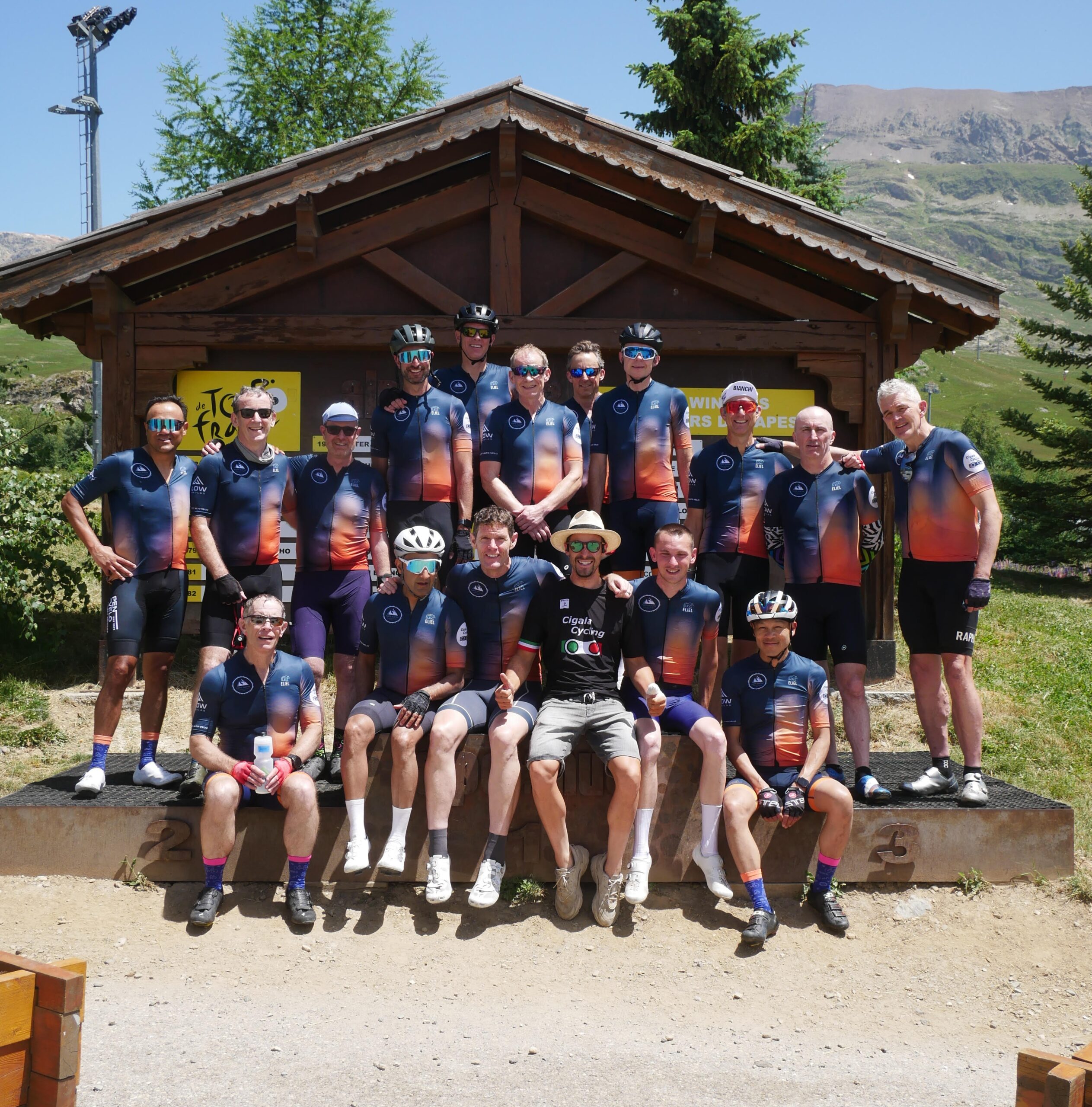
Every one of our guided cycling tours includes a full kit list specific to that trip’s terrain and season, sent well ahead of departure — so you’re never guessing what a particular climate or route actually demands, and you arrive with exactly what you need rather than either an overstuffed bag or a missing essential.
If your trip has specific needs beyond a standard departure, we’re also happy to design a fully custom tour and tailor the kit guidance to match.
Frequently Asked Questions
Do I need to bring my own bike, or is rental good enough?
Rental bikes on our tours are premium, well-maintained road or gravel bikes, professionally fitted on arrival — entirely sufficient for the vast majority of guests. Bringing your own is mainly worth it if you have specific fit or component preferences.
What’s the single most forgotten item you see?
A packable rain jacket or gilet, hands down. Riders consistently underestimate how much temperature and weather can shift at altitude, even on a forecasted sunny day.
Should I bring cycling shoes with road cleats, or is it destination-dependent?
This depends on whether your tour is road or gravel-focused — check your specific tour’s bike style before packing, since gravel tours may use a different cleat/pedal system than pure road tours.
How should I protect my bike if flying with my own?
A hard case is the safest option for checked bike transport, though a well-padded soft case is a reasonable compromise if you’re managing your own transport to and from airports without assistance.
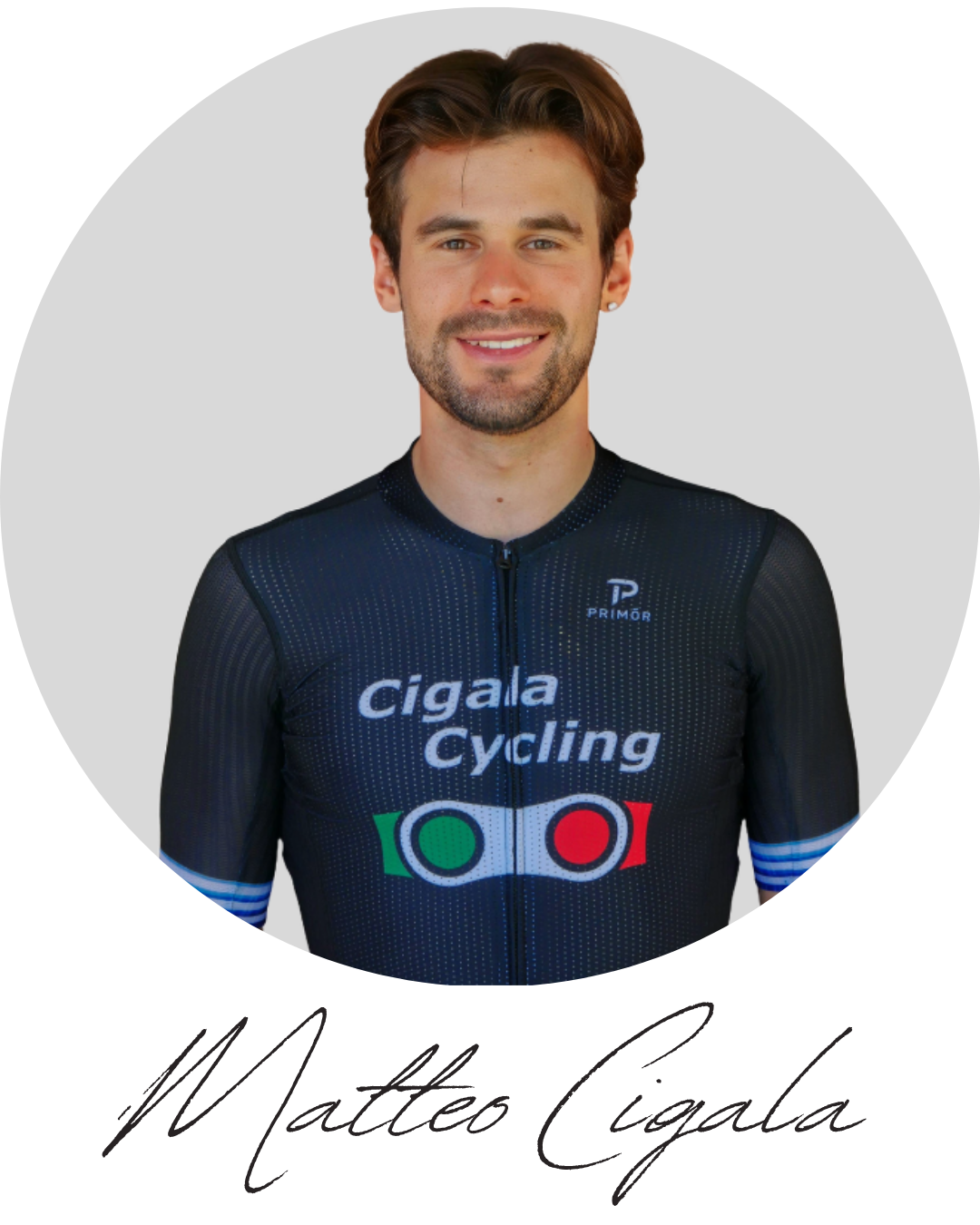
— Matteo Cigala
Former European Gran Fondo Champion, Vice World Gran Fondo & Gravel Champion, Italian Gravel Champion, Coach & Tours Director of Cigala Cycling Tours