
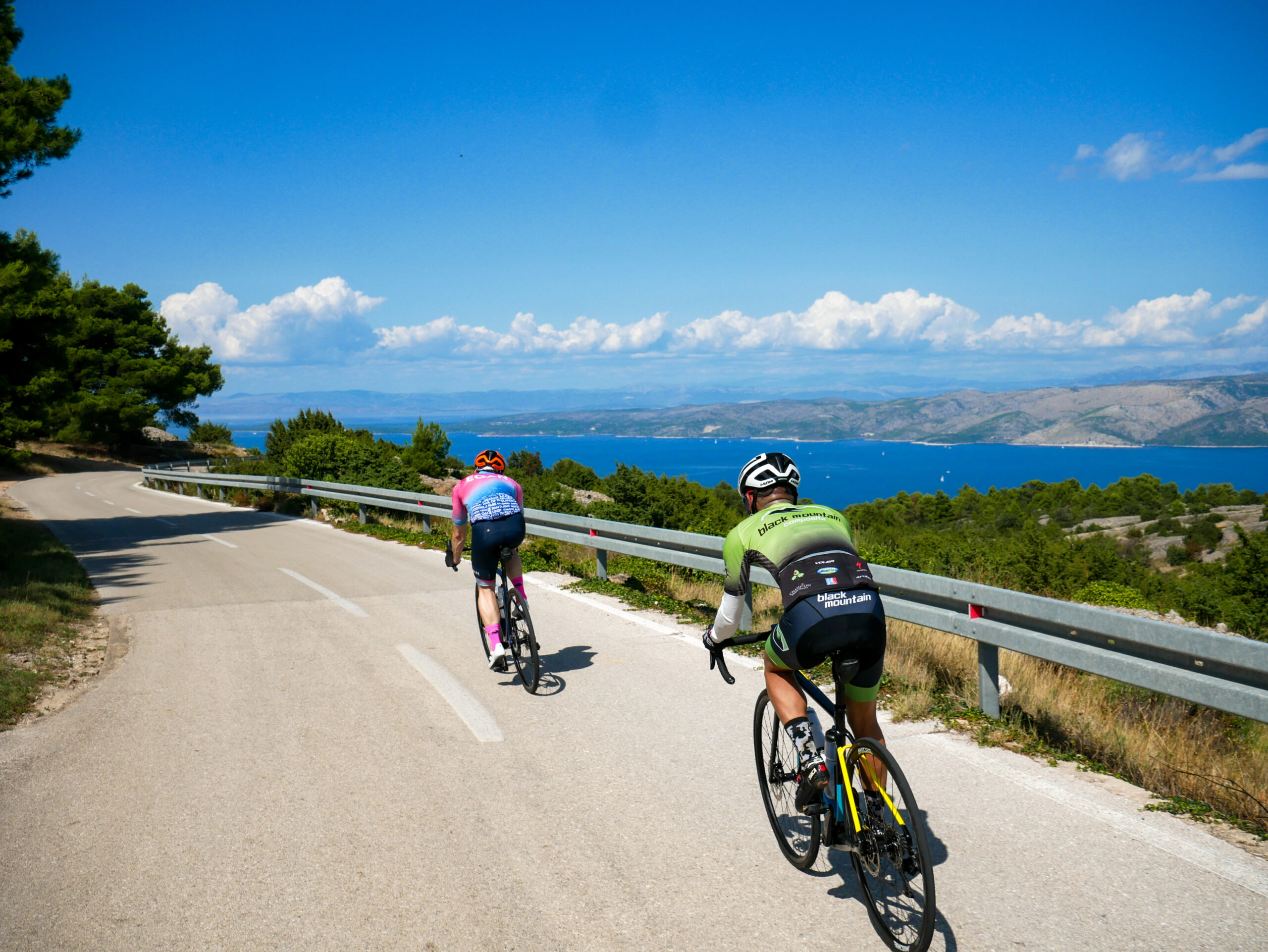
Croatia has quietly become one of my favorite places to guide — a stunning, underrated coastline, genuinely good road surfaces, and an island-hopping element that most European cycling destinations simply don’t offer. This guide covers everything I’d want a first-timer to know before booking.
Why Croatia Stands Apart From Other Coastal Cycling Destinations
Most coastal cycling destinations in Europe give you one thing: a coastline. Croatia gives you a coastline plus a genuinely unique archipelago of islands just offshore, connected by a well-run network of car and passenger ferries. That combination — riding a stretch of mainland coast, then boarding a short ferry to continue the ride on an island, then perhaps another ferry to a second island before returning to the mainland — creates a rhythm and variety that a purely linear coastal route can’t match.
What the Terrain Is Actually Like
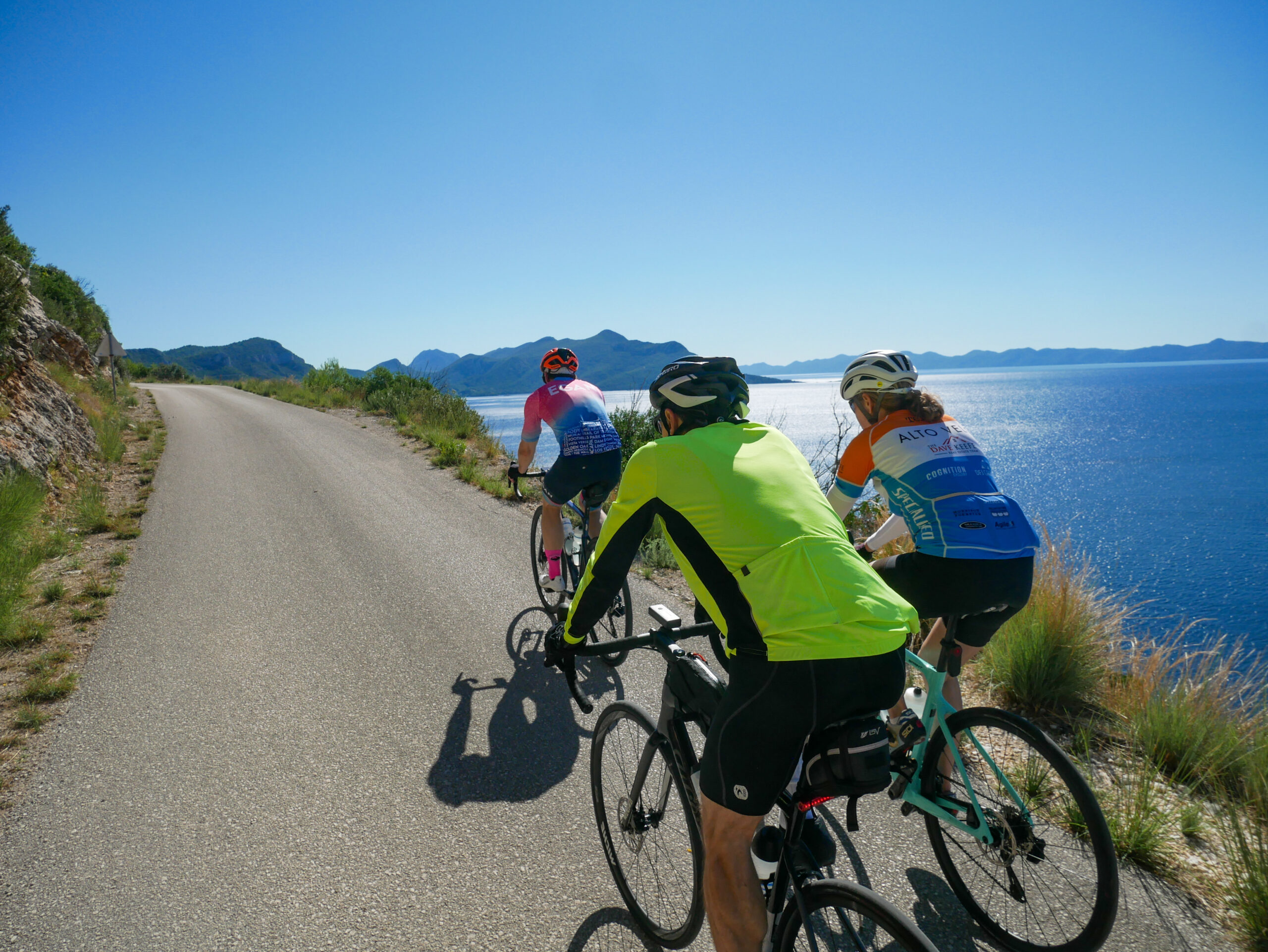
The coastal roads themselves are mostly rolling rather than flat — expect regular short, punchy climbs as the road winds in and out of coves and around limestone headlands, with the sea visible for long stretches at a time. It’s rarely flat, but rarely brutally steep either, which makes for genuinely enjoyable, varied riding that suits a broad range of fitness levels better than either a pure mountain destination or a completely flat coastal ride would.
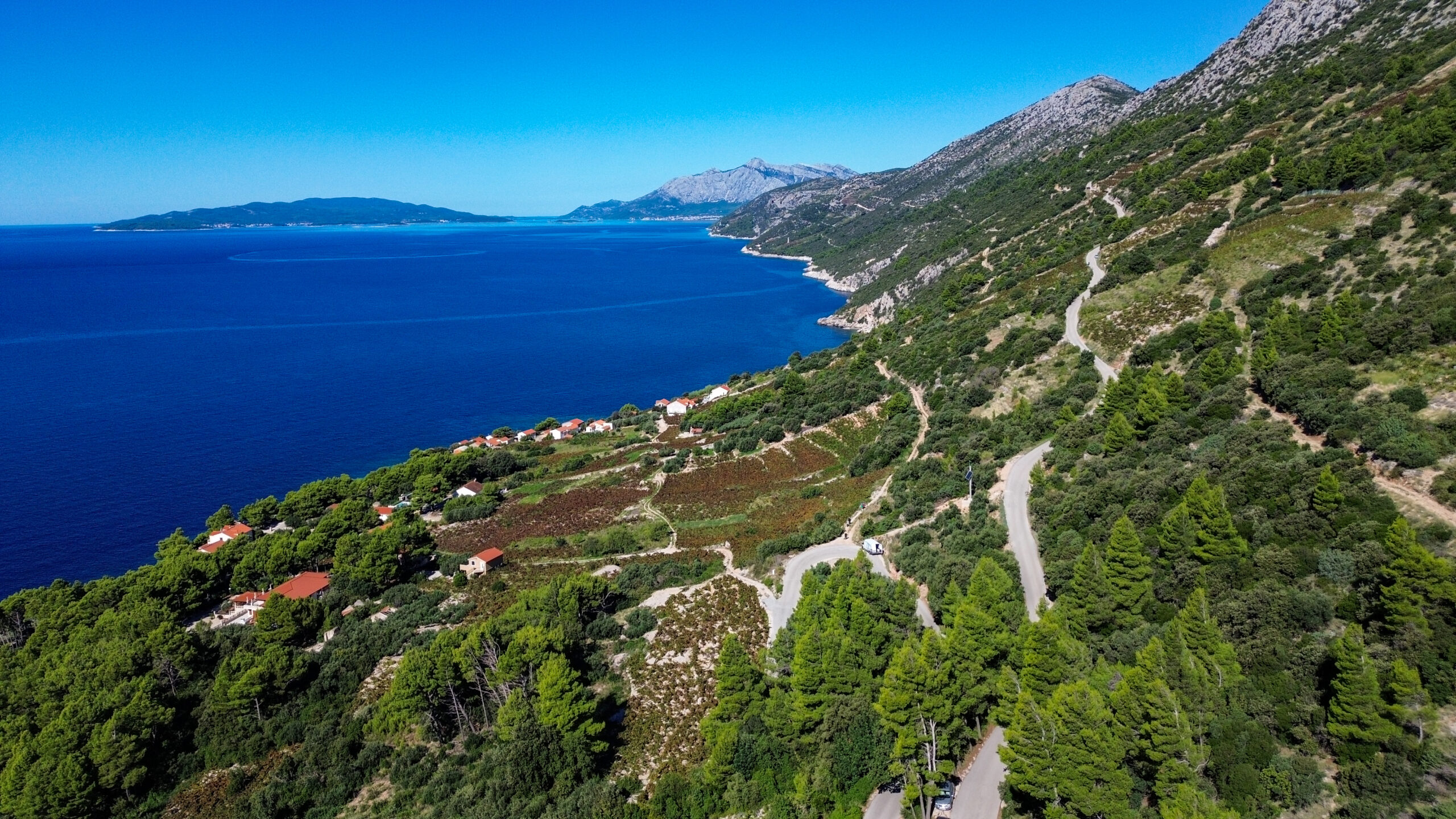
The islands themselves vary in character. Some, like parts of Hvar and Korčula, have their own interior hills worth exploring beyond the coastal ring road, adding a bit of genuine climbing to what might otherwise be a purely coastal itinerary.
The Island Element in Detail
Part of what makes Croatia special is incorporating short ferry crossings between islands and the mainland — a rare chance to combine cycling with a bit of boat travel, seeing the coastline from the water as well as the road, and giving your legs a genuine rest during the crossing itself. It adds a different rhythm to the week compared to a purely point-to-point mainland tour, and the views back toward the coast from a ferry deck are some of the best photo opportunities of the entire trip.
Ferry schedules are generally reliable in the main cycling season (May through September), though it’s worth building some flexibility into an itinerary around them rather than planning an extremely tight connection, since even reliable services occasionally run behind schedule.
Road Conditions and Traffic
Main coastal roads can carry more traffic in peak summer, particularly near larger towns and the busiest tourist hubs, so experienced local routing tends to work around the busiest stretches wherever a good quieter alternative exists. Quieter island roads and mainland backroads away from the main coastal highway are where the riding really shines, and where you’ll find yourself sharing the road with very little beyond the occasional local moped.
Best Time to Go
May, June, and September are ideal — warm without the intense July/August heat, and noticeably quieter on the roads and in the towns themselves. July and August are beautiful but bring both heat and heavier tourist traffic, especially in well-known towns like Dubrovnik and Split, where cruise ship arrivals can noticeably swell daytime crowds in the old town centers.
October remains rideable and increasingly popular with cyclists specifically seeking the shoulder-season quiet, though some tourist infrastructure (certain restaurants, smaller ferry schedules) begins scaling back for the winter.
Food and Culture Along the Way
Coastal Croatia’s cuisine leans heavily Mediterranean with strong Italian influence in places, a legacy of the region’s long history under Venetian rule — excellent fresh seafood, good local olive oil, and local wines (particularly from the Pelješac peninsula) that pair well with a week of riding. Stopping in the old stone harbor towns for lunch is as much a part of the experience as the cycling itself, and the historic centers of towns like Rovinj, Trogir, and Korčula town are genuinely worth the extra twenty minutes of wandering after you’ve locked up the bikes.
What to Pack Specifically for This Trip
Beyond the standard kit covered in our packing guide, a swimsuit is essential here — the combination of coastal riding and clear Adriatic water makes a post-ride swim one of the genuine highlights of the trip, and several of our route stops are chosen specifically with a swimming break in mind.
Common Mistakes First-Timers Make
The most common mistake is underestimating the cumulative climbing on what looks, from a map, like a flat coastal route — the constant small climbs in and out of coves add up over a full day more than the elevation profile might initially suggest. The second is not building in enough buffer time around ferry crossings, particularly in peak season when queues can occasionally run long.
How This Fits Into a Cigala Cycling Tour
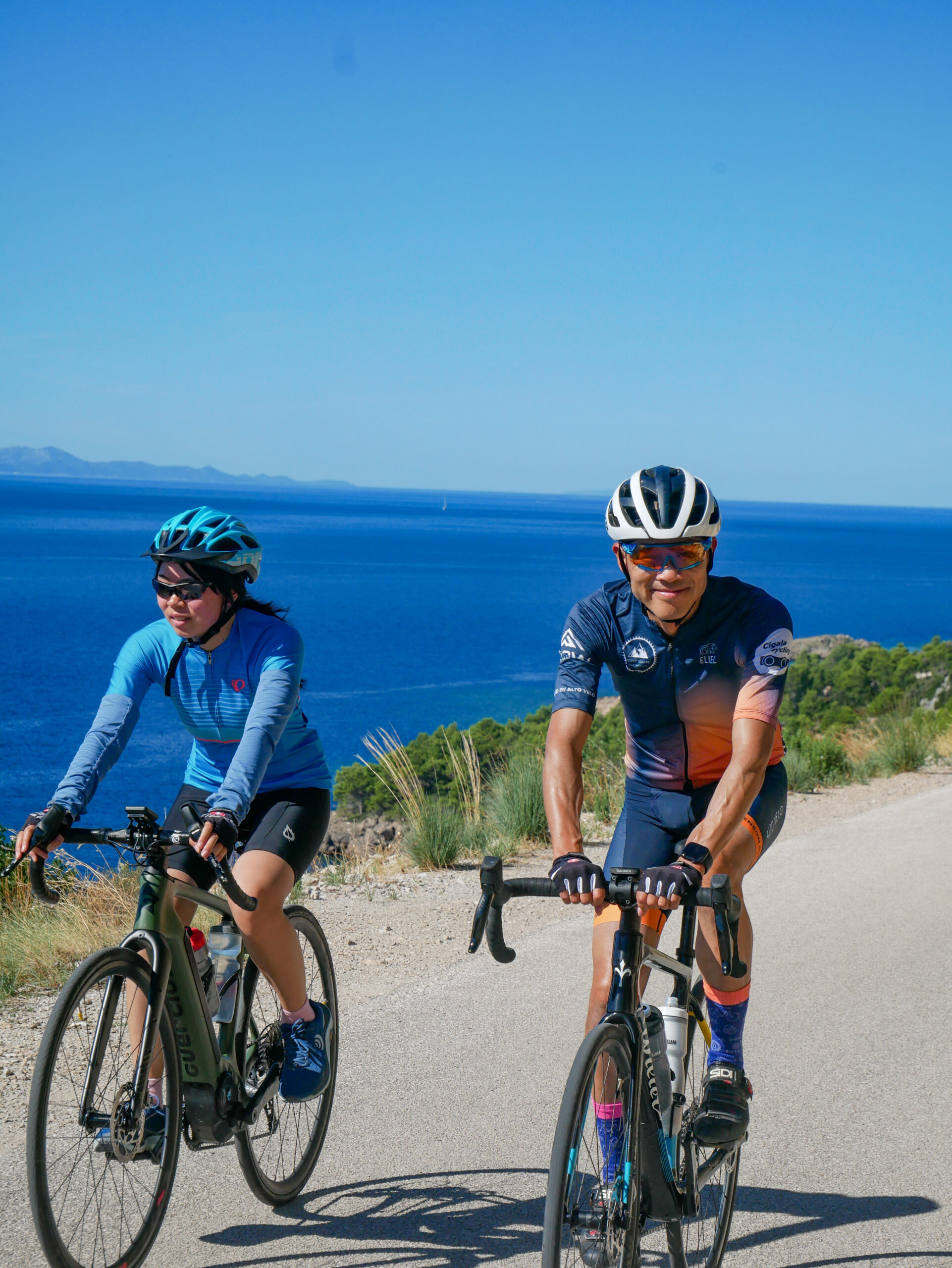
Our Croatia coastal cycling tour is designed around this exact rhythm — coastal roads, island connections by ferry, and enough variety in daily distance that it suits a broad range of fitness levels, not just strong climbers.
If you’d like a different mix of islands, a longer or shorter itinerary, or want to combine the coastal riding with more inland exploration, we’re also happy to design a fully custom tour around this region specifically for your group.
Frequently Asked Questions
How many islands does a typical Croatia cycling tour visit?
This varies by itinerary, but a well-paced week typically includes two to three islands alongside mainland coastal riding, balanced to avoid excessive ferry-hopping that would eat into actual riding time.
Is Croatia suitable for a first-time cycling holiday, or is it better for experienced tourers?
It’s genuinely one of the more approachable destinations we offer, with rolling rather than mountainous terrain, making it a good fit for confident recreational riders even without extensive climbing experience.
Do I need to bring anything specific for the ferry crossings?
Just standard travel documents and the swimsuit mentioned above — bikes are easily accommodated on the passenger and car ferries used on our routes.
What’s the water temperature like for swimming during the cycling season?
The Adriatic is genuinely swimmable from late May through September, typically reaching comfortable temperatures by June and staying warm into early autumn.
— Matteo Cigala
Former European Gran Fondo Champion, Vice World Gran Fondo & Gravel Champion, Italian Gravel Champion, Coach & Tours Director of Cigala Cycling Tours