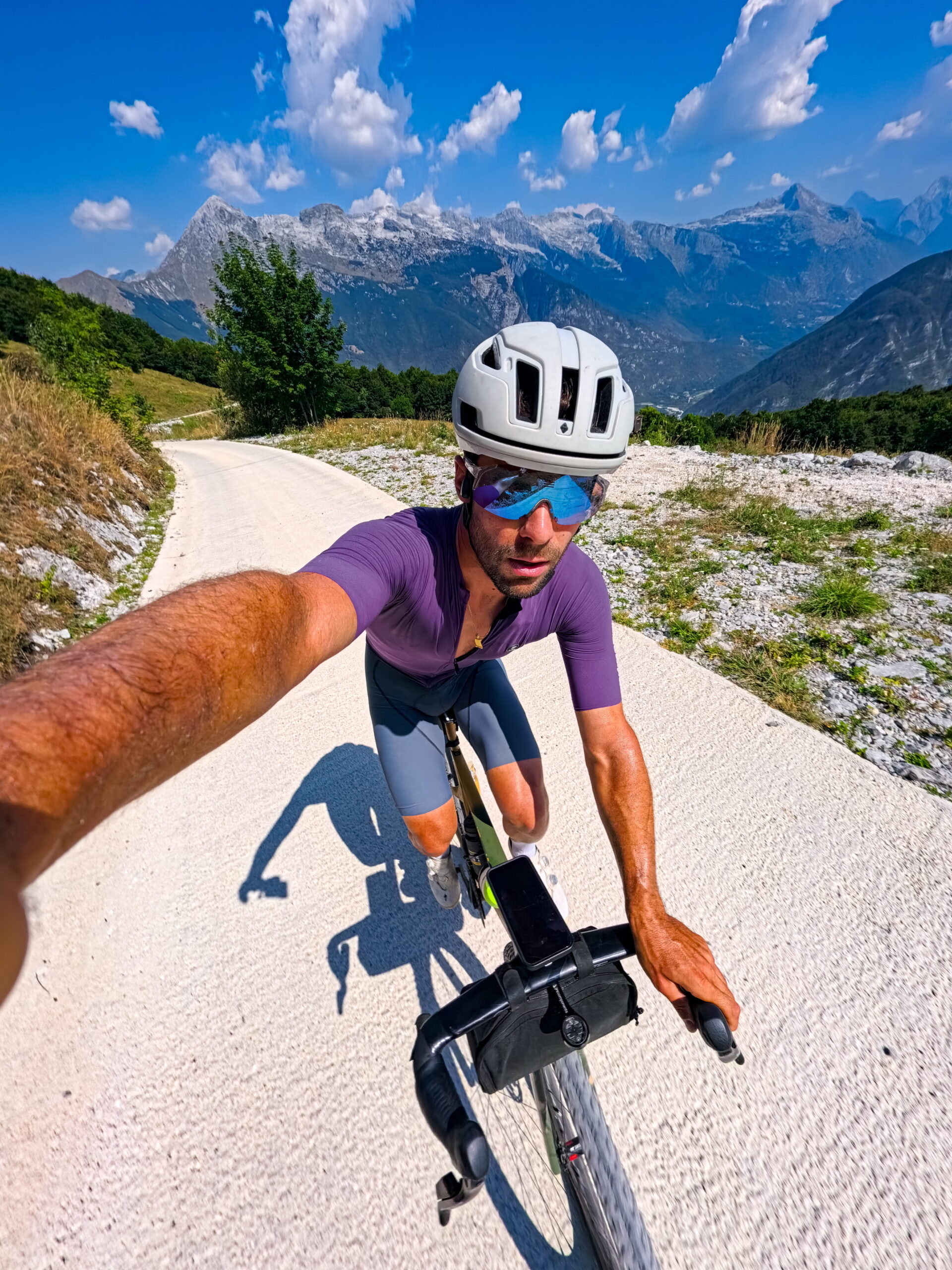
A gravel tour asks something different of your kit bag than a road trip does. The roads are rougher, the support points are further apart, the weather changes faster on exposed tracks, and a mechanical that would be a five-minute roadside fix on tarmac can turn into a long walk on a remote gravel sector. After guiding gravel tours across Tuscany, Cyprus, Slovenia, Sardinia, Sicily and beyond, here’s what I actually tell riders to bring — and what to leave at home.
Bike Setup and Tires
This is where most first-time gravel travellers get it wrong before they’ve even packed a bag.
- Bring a spare tire, not just a tube. Sidewall cuts happen more often on gravel than on road, and a tube alone won’t fix a torn casing. A lightweight folding spare packs down small and has saved more than one trip I’ve guided.
- Tire width and tread matter more than anything else you’ll pack. For mixed gravel and tarmac routes, 40-45mm with a light tread is usually the sweet spot — wide enough to handle loose surfaces and washboard gravel, narrow enough to stay efficient on the paved connector sections most routes include. For tours with genuinely rougher sections, go up to 50mm if your frame clearance allows it — check with your tour operator in advance if you’re unsure what a specific route calls for.
- Tubeless setup is close to essential. Sealant handles the small punctures that gravel throws at you constantly — thorns, sharp stones, sidewall nicks — without forcing a roadside tube change every time. If you’re not already running tubeless, it’s worth converting before you travel, not on your first morning on strade bianche.
The Repair Kit: Built for Being Further From Help
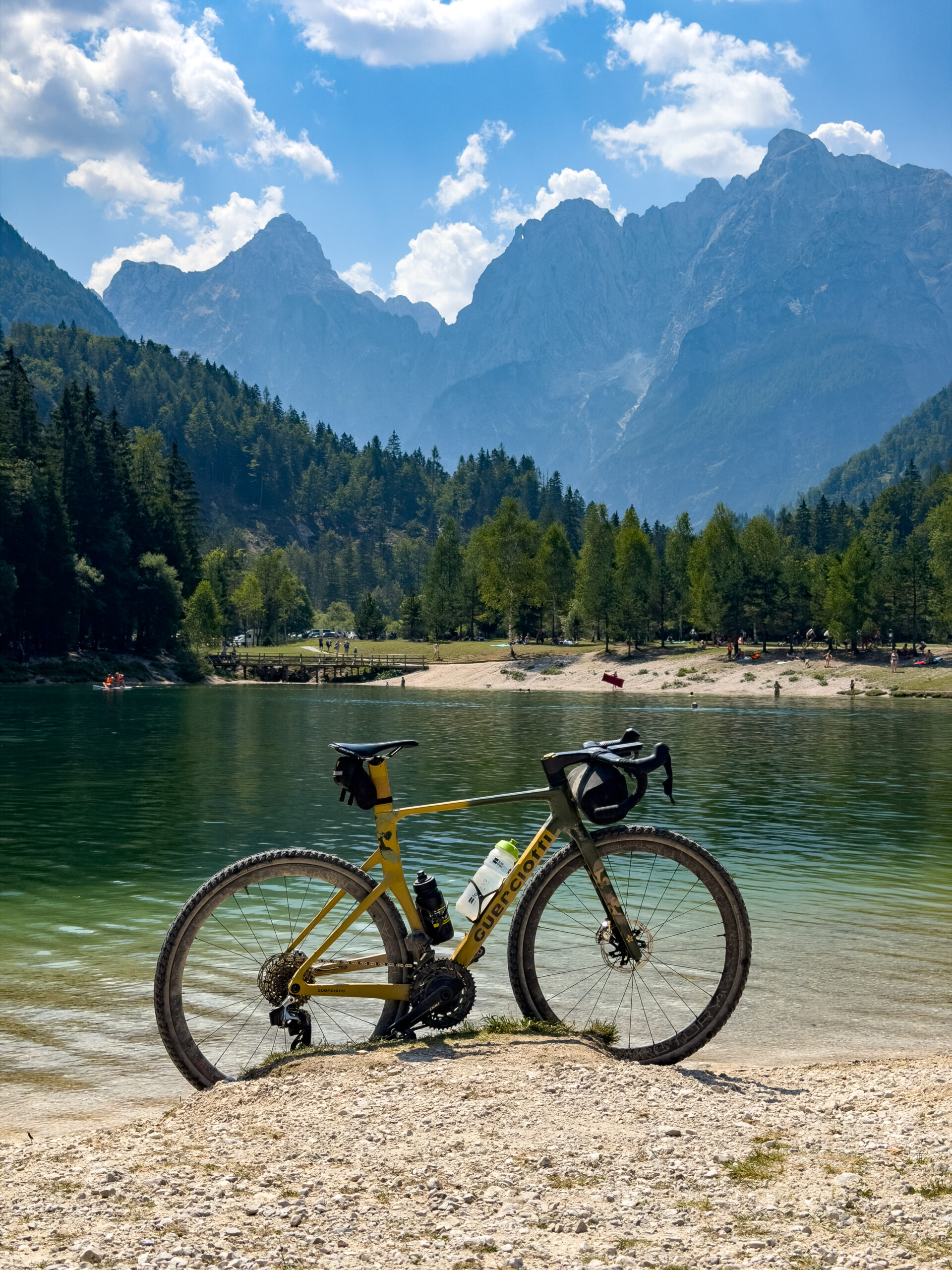
On a road tour, you’re rarely more than a short ride from a village or a passing car. On gravel, especially through Tuscany’s white roads or Sardinia’s interior, that’s often not true — so the kit needs to assume you’re on your own for longer.
- Tubeless plug kit plus a couple of spare tubes, in case sealant alone can’t close the gap and you need to convert back to a tube mid-route.
- A small top-up bottle of spare sealant. Sealant dries out over the course of a long, hot day, and if you do need to change a tire halfway through a multi-day trip, having a top-up on hand means you’re not stuck relying on a dry system.
- A multi-tool with a chain breaker. Gravel’s rougher terrain is harder on drivetrains than smooth tarmac, and a snapped chain in the middle of nowhere is a very different problem than one on a quiet backroad.
- A mini electric pump. These have genuinely changed the game for gravel travel — reseating a tubeless tire by hand with a mini pump on the roadside is a real struggle, and an electric one does it in seconds without the arm workout. Worth the extra weight in the saddle bag.
- Spare brake pads. Before going on a gravel tour is always recommended to change your brake pads and have fresh new pads for the long descents ahead. However is essential to have a spare set just in case you end up using them all.
- A small bottle of chain oil. Dust is constant on gravel, and it dries a chain out far faster than road riding does — a dry, gritty chain both wears faster and rides worse. A quick drip at the end of each day keeps the drivetrain running properly for the rest of the trip.
- Zip ties and a small roll of tape. Unglamorous, but they fix more improvised problems on gravel — a loose fender, a rattling bag, a cracked mudguard — than any single specialist tool.
Clothing: Layering for Exposed, Changeable Terrain
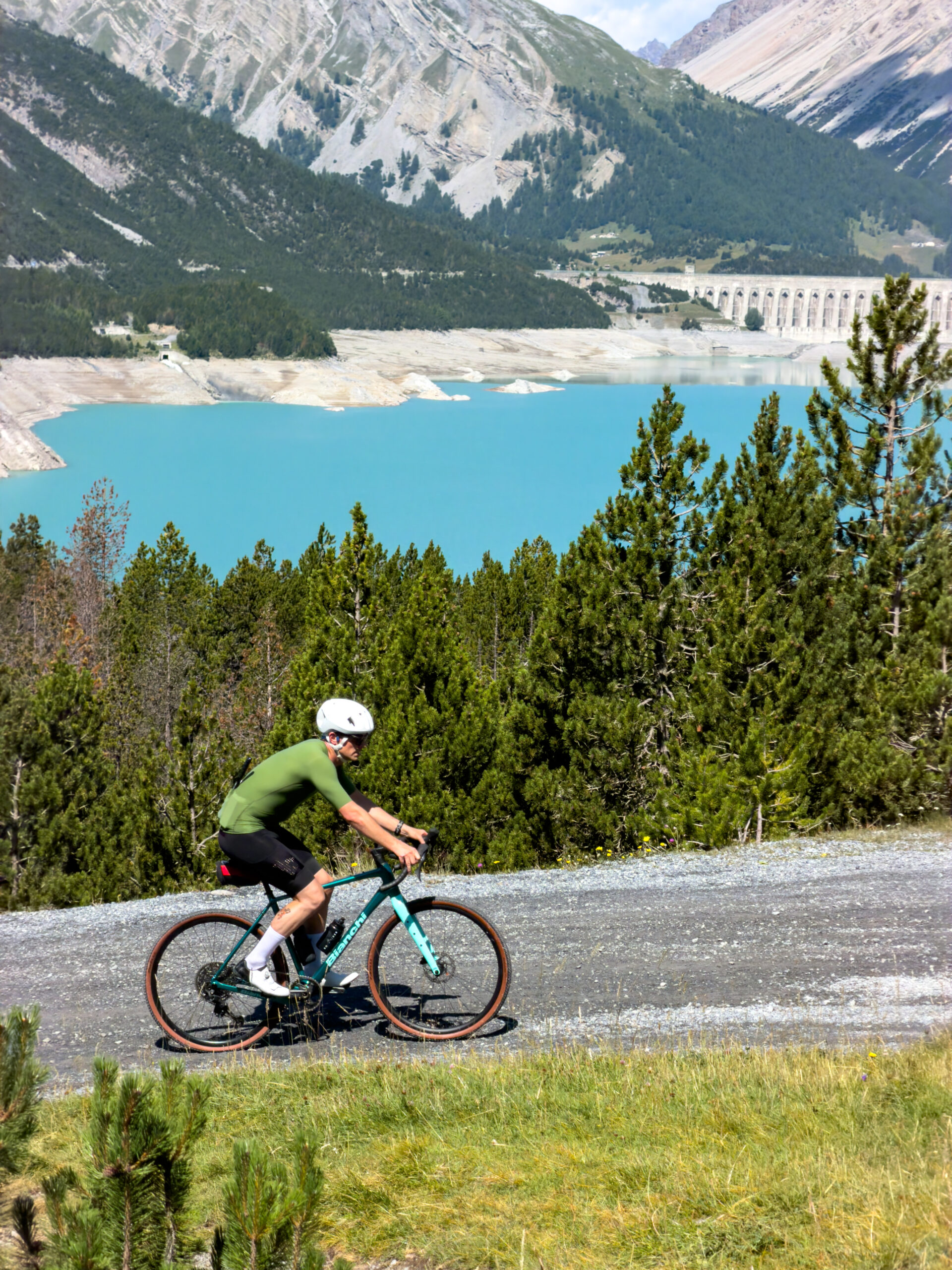
Gravel routes spend more time away from towns and tree cover than road routes typically do, which means more direct exposure to sun, wind, and sudden weather shifts — especially at altitude or on exposed ridgelines.
- Eye protection with a clear or light lens option. Dust kicked up on dry gravel is a real nuisance, and riding without eye protection through it isn’t pleasant for long.
- A lightweight, packable gilet or wind vest, even in summer. Gravel routes often climb into more exposed terrain than the equivalent road route nearby, and conditions change fast once you’re out of the valley.
- Bib shorts with a chamois built for longer days in the saddle. Rougher terrain means more time out of a smooth pedal stroke and more vibration through the saddle — a well-broken-in chamois matters more here than on road.
- Gloves with real padding. Sustained vibration from washboard gravel and loose stone is genuinely fatiguing on the hands over a multi-day trip, far more than most riders expect coming from road cycling.
Navigation and Safety
Gravel routes frequently run through areas with patchy signal and unmarked junctions, which changes what “being prepared” means.
- A GPS device or phone mount with the route pre-loaded, and don’t rely on signal alone — download offline maps for the region before you travel.
- A small battery pack. Longer days off the beaten track mean longer stretches between charging opportunities, and a dead GPS at a junction in the middle of nowhere is not where you want to be improvising.
- Basic first aid essentials. Falls on loose gravel are more common than on tarmac, and being a genuine distance from help changes the calculation on what’s worth carrying.
Bags: What to Bring It All In
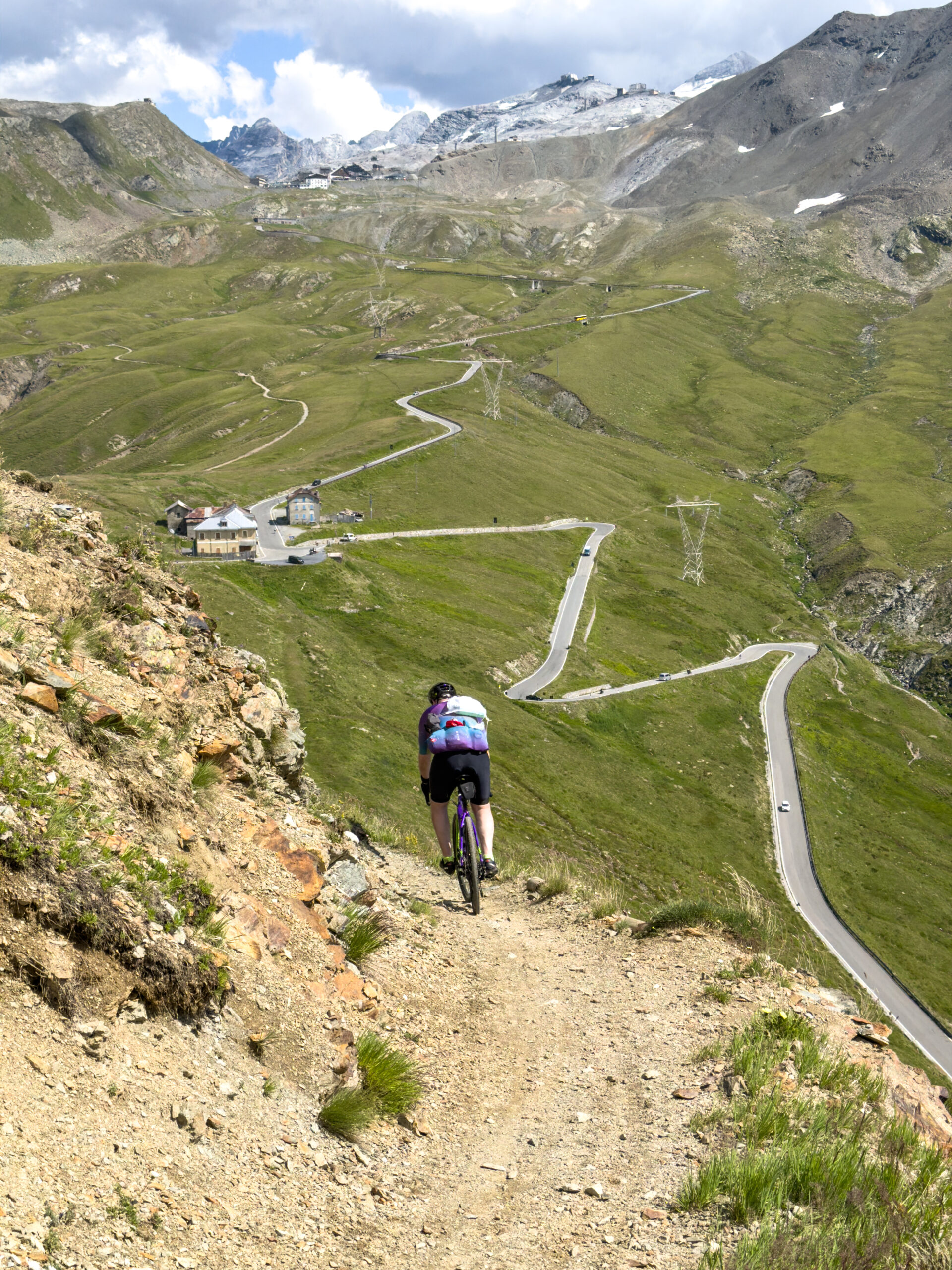
If your trip includes point-to-point riding or overnight stops away from your base, check with your tour operator whether luggage is transferred for you — on our guided gravel trips it is, which means you can pack lighter on the bike itself and save the bikepacking setup for routes where it’s genuinely needed.
- A saddle bag or half-frame bag for tools and repair kit, keeping weight low and central rather than in a backpack, which gets uncomfortable fast on rough terrain.
- A small handlebar bag or top-tube bag for anything you need quick access to — nutrition, phone, gloves — without stopping to dig through a saddle bag.
Nutrition and Hydration for Longer, Remoter Stretches
- Carry more than you think you need. Gravel routes often have longer gaps between towns, cafés, and water sources than the equivalent road route, and running low on a remote stretch is a much bigger problem than on a well-serviced road ride.
- Go with 750ml bidons over 500ml. With longer gaps between refill points, the extra capacity matters — two 750ml bottles buy noticeably more margin than two 500ml ones for the same number of cages.
- A backup water filter or purification tablets, if your route includes genuinely remote sections — not always necessary, but worth checking against your specific itinerary.
The One Thing Riders Consistently Forget
A pre-trip shakedown ride on similar terrain, in the actual kit you’re planning to bring. Tire pressure that feels fine in a car park often isn’t right on real gravel, and a saddle bag that seemed secure in the shop can rattle loose after two hours of washboard track. If you’re joining one of our gravel cycling tours, we’ll always run through your setup before the first big day — but the more of this you’ve already dialled in beforehand, the more of the trip you get to actually enjoy.
For general trip-packing advice beyond gravel-specific gear — documents, packing lists for flights, bike transport — our guide to packing for a European cycling holiday covers the broader basics.
Frequently Asked Questions
Do I need a dedicated gravel bike, or can I use my road bike? It depends on the route. However in all of our Gravel Bike Tours, a gravel bike is must.
Is tubeless really necessary for a gravel tour? Not strictly, but it’s strongly recommended. Punctures are simply more frequent on gravel, and sealant resolves most of them without stopping. Riders on tubes should carry more spares than they would for a road trip.
How much should I pack for a multi-day gravel tour? Less than you think, if your tour includes luggage transfer between stops — in that case, pack light for the bike itself (repair kit, nutrition, layers) and let your main bag travel separately. If you’re bikepacking unsupported, that changes the calculation significantly.
What’s the biggest packing mistake you see? Under-preparing the repair kit. Riders often pack road-trip repair basics — one tube, a multi-tool — and then face a sidewall cut or a tubeless issue gravel is simply more prone to, with no backup plan.
— Matteo Cigala
Former European Gran Fondo Champion, Vice World Gran Fondo & Gravel Champion, Italian Gravel Champion, Coach & Tours Director of Cigala Cycling Tours